
The Role of Innovation
Imagine your smartphone stops working after only six months because your carrier refuses to update the software. You realize that your device is now just a piece of plastic and glass sitting on your desk. This situation highlights how progress relies on constant improvements rather than static tools that eventually lose their value. Innovation acts as the primary engine that keeps our modern economy moving forward by creating better solutions for everyday problems.
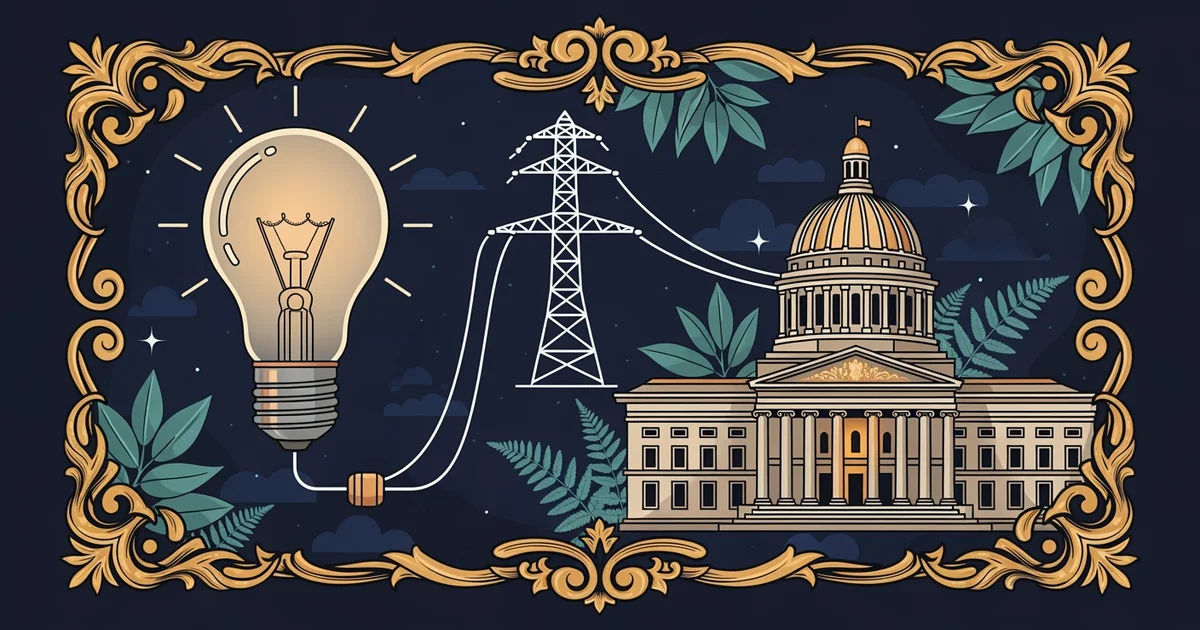
The Engine of Economic Growth
When we talk about national growth, we often focus on how new ideas generate wealth for the entire country. Innovation refers to the process of turning a creative idea into a useful product or a more efficient service. Governments support this process because they know that businesses cannot survive without inventing new ways to reach customers. Think of it like a garden where you must constantly plant new seeds to keep the harvest growing each season. If you stop planting, the soil eventually becomes empty and stops producing the food you need to survive. National economies function in the same way by requiring a steady flow of fresh technological advancements to maintain stability.
Key term: Innovation — the practical application of new ideas or technologies that create significant improvements in products, services, or organizational processes.
Technological progress creates jobs by opening markets that did not exist before the invention of specific devices. When researchers develop a new medicine or a faster internet connection, they create demand for engineers and support staff. This cycle of creation helps a nation stay competitive against other countries that are also trying to build better tools. Without these advancements, a country would quickly fall behind in global trade and lose its ability to provide for its citizens. Policy makers keep a close eye on these trends to ensure that public funding goes toward projects with the highest potential for impact.
Understanding the Impact of New Technology
Government leaders must decide where to put their limited money to get the best results for the public. They look at several factors when choosing which scientific fields deserve the most support during a budget cycle. The following list outlines how policy makers evaluate the potential value of a new technological project:
- Scalability allows a new technology to grow from a small lab experiment into a product that millions of people use every day in their homes.
- Economic efficiency ensures that the new invention reduces the cost of production so that more people can afford to buy the items they need.
- Societal benefit provides a clear advantage to the general public by solving a health crisis or improving the quality of basic infrastructure for everyone.
These factors help the government avoid wasting taxpayer money on ideas that might be interesting but lack a clear path to helping the economy. By focusing on these specific goals, policy makers can align scientific research with the broader needs of the population. This process is not perfect, but it provides a structured way to handle the risks involved in funding new science. It requires a balance between supporting high-risk research and ensuring that the public sees a return on their investment over time.
| Type of Impact | Goal for Growth | Benefit to Citizens |
|---|---|---|
| Productivity | Speed up work | Lower prices |
| Sustainability | Save resources | Cleaner environment |
| Connectivity | Link markets | Faster information |
Innovation is not just about fancy gadgets or expensive software that only a few people can afford. It is about building a foundation that allows every part of the economy to function with greater speed and accuracy. When the government funds a breakthrough in battery tech, it helps the car industry but also lowers energy costs for homeowners. This ripple effect shows how one discovery can touch many different areas of our lives at the same time. Understanding this connection is essential for anyone who wants to see how policy shapes the world around them today.
Economic prosperity depends on the consistent development of new technologies that improve efficiency and solve real-world problems for the general public.
Understanding how governments prioritize these innovations leads us to the critical question of how we maintain safety and moral standards during the research process.