
Legal Advocacy Roles
Imagine a high-stakes game where one side must prove guilt while the other side works to protect the accused person. This balancing act defines the modern legal system, where truth emerges from the clash of two opposing viewpoints. When a person faces criminal charges, they enter a structured arena designed to test evidence under strict rules. The outcome of this process relies on the distinct duties of those representing the state and those defending the individual. Understanding these roles reveals how the justice system manages power while striving for a fair result.
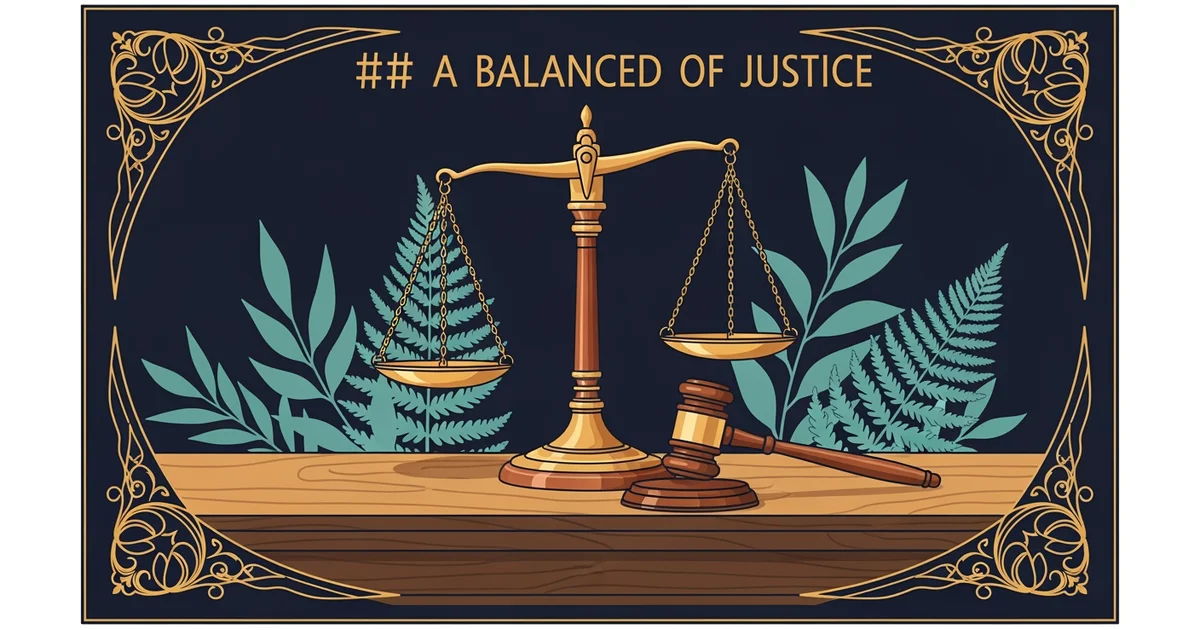
The Duties of Legal Representatives
Legal advocacy functions like a professional debate where each side has a specific mandate to follow. The prosecution acts as the representative of the government, tasked with presenting evidence that proves a crime occurred. They carry the heavy burden of showing that the accused person is guilty beyond a reasonable doubt. Meanwhile, the defense attorney protects the rights of the person charged with a crime. This lawyer ensures that the state follows every legal procedure correctly during the entire investigation. If the state fails to meet its burden, the defense helps ensure the court does not convict an innocent person.
Key term: Adversarial system — a legal structure where two opposing parties present their cases before an impartial judge or jury to determine the truth.
This system relies on the idea that the truth will surface when two skilled advocates argue their positions. Think of this process like two expert mechanics inspecting a car to find a hidden engine problem. One mechanic tries to prove the engine is broken, while the other mechanic tries to show it works fine. By forcing each side to challenge the other's evidence, the court discovers flaws that might otherwise remain hidden. This friction prevents the government from using its vast power to convict people without a truly rigorous trial.
Balancing Power in the Courtroom
The court manages this balance by assigning specific responsibilities to ensure fairness for everyone involved in the process. Prosecutors and defense lawyers must navigate these expectations while following strict rules of conduct during their daily work.
| Representative | Primary Goal | Key Responsibility |
|---|---|---|
| Prosecution | Seek justice | Prove guilt of the accused |
| Defense | Protect rights | Challenge state evidence |
| Judge | Maintain order | Ensure fair trial process |
These roles are not just about winning or losing a specific case in front of a jury. The prosecution must share evidence with the defense to avoid unfair advantages during the trial phase. The defense must provide a zealous representation, even if they personally believe their client committed the act. Both sides must respect the rules of evidence, which dictate what information the judge allows into the courtroom. When these professionals follow their roles, they sustain the integrity of the entire criminal justice system.
Advocates must remain committed to their roles even when the pressure of public opinion becomes very intense. A prosecutor might face pressure to secure a quick conviction to satisfy the public desire for safety. A defense lawyer might face criticism for representing someone accused of a truly terrible or violent crime. Despite these pressures, the system requires both sides to perform their duties to keep the law working properly. If either side stops challenging the other, the fairness of the trial immediately collapses under the weight of one-sided power.
Legal advocacy balances public safety and individual rights by forcing the state to prove its case against a vigorous defense.
But what does it look like when the legal system handles young people who have not yet reached adulthood?