
Defining Criminal Justice Systems
Imagine a busy intersection where cars move in every direction without any traffic lights or stop signs. Without clear rules, the result would be total chaos, constant accidents, and a complete lack of safety for everyone involved. A society functions much like this intersection, requiring a structured way to manage behavior and resolve conflicts when people break the rules. This is exactly why we need a system to organize our collective response to harmful actions.
The Purpose of Legal Frameworks
When we look at the criminal justice system, we are essentially looking at a set of institutions that work together to maintain social order. The primary goal of these institutions is to enforce laws, punish those who violate them, and provide a sense of security for the public. Think of this system as a massive insurance policy for a community, where everyone pays a small price in the form of following rules to ensure that the entire group remains protected from unpredictable threats. Without this framework, individuals would have to rely on their own personal strength to protect their homes and families, which would lead to endless instability.
Key term: Criminal justice system — the organized collection of government agencies tasked with identifying, apprehending, and punishing individuals who violate established laws.
This system does not exist solely to punish people who make mistakes or commit crimes. It also serves to deter others from breaking the law by showing that there are tangible consequences for harmful behavior. When the public sees that the legal process functions fairly, they are more likely to trust the system and follow the rules voluntarily. This trust is the foundation of a peaceful society, as it prevents people from feeling like they need to take the law into their own hands, which often creates more violence rather than solving the original problem.
Balancing Safety and Individual Rights
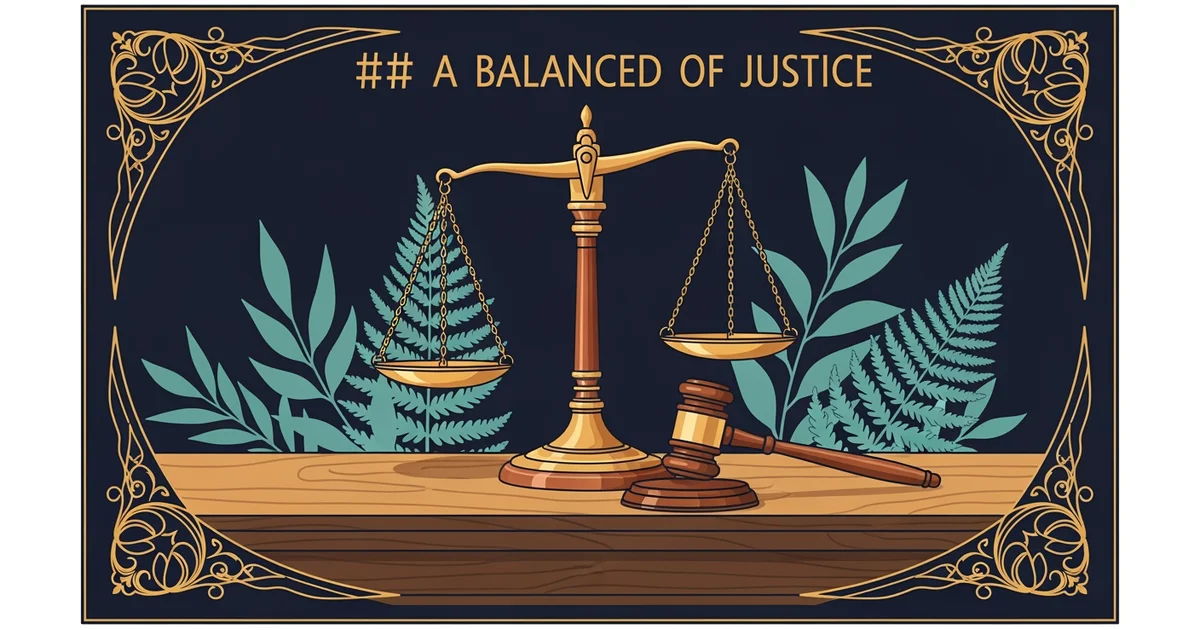
While public safety is a major priority, we must also consider the rights of the individuals who are accused of breaking the law. The challenge lies in creating a system that is strong enough to stop dangerous behavior but gentle enough to protect the innocent from being wrongly accused or treated unfairly. If the government has too much power, it can abuse its position and harm the very people it is supposed to protect. If it has too little power, it cannot effectively stop crime, leaving the public vulnerable to harm.
To manage this delicate balance, we rely on specific principles that guide how the government interacts with citizens who are accused of crimes:
- The presumption of innocence ensures that the government must prove guilt rather than forcing the accused to prove they are innocent.
- Due process requires that the government follows strict, established procedures before it can take away a person's freedom or property.
- Equal protection guarantees that the law applies to everyone in the same way, regardless of their social status, background, or personal identity.
These principles are essential because they prevent the system from becoming a tool for oppression. By forcing the state to work within these boundaries, we ensure that the pursuit of safety does not come at the cost of the basic freedoms that define our society. Balancing these competing interests is a constant struggle, but it remains the most effective way to keep our communities safe while maintaining our human rights.
| Feature | Goal | Benefit to Society |
|---|---|---|
| Deterrence | Stop crime | Fewer victims |
| Prosecution | Enforce law | Accountability |
| Protection | Ensure safety | Public trust |
When these components work in harmony, the system functions like a well-oiled machine that processes cases efficiently while respecting the dignity of every person involved. It is an ongoing project that requires constant attention from citizens to ensure that it continues to meet the needs of a changing world. By understanding these foundations, you will be prepared to explore how laws have evolved over time and how different cultures have shaped their own unique versions of justice. This path will give you a comprehensive look at how modern legal systems balance authority with fairness.