
Structural Violence
Imagine a tall building where the stairs are broken on every floor except the top. People living below cannot reach the roof because the design itself prevents them from climbing higher. This is how social scientists view the world when they describe the hidden barriers that keep certain groups from succeeding. These barriers exist within the laws, the economy, and the culture of a society. They are not the result of one person being mean to another person directly. Instead, these problems are baked into the very foundation of how our daily lives function.
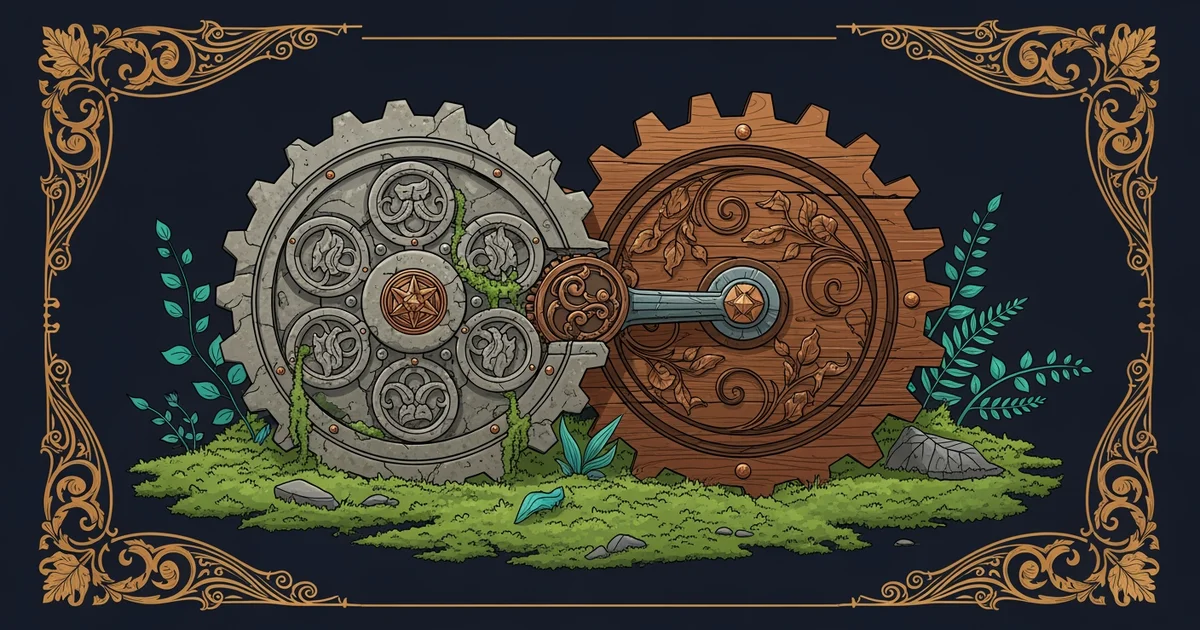
Understanding Systemic Barriers
When we look at society, we often focus on individual actions or single arguments between people. However, structural violence describes harm that occurs because of how social institutions are organized. It is a form of violence where some people are denied basic needs or opportunities due to their position in a system. Unlike physical fights, this type of harm is often invisible because it feels like a normal part of life. It creates a situation where the deck is stacked against specific groups before they even start playing the game. This concept helps us see that peace is not just the absence of war.
Key term: Structural violence — the systemic ways in which social structures harm or disadvantage individuals by preventing them from meeting their basic human needs.
To understand this better, think of the economy like a massive game of musical chairs. Imagine a game where some players are forced to sit on chairs with broken legs while others have sturdy seats. The players with broken chairs struggle to stay balanced, while others sit comfortably and watch the game continue. The people in the broken chairs are not failing because they lack effort or skill. They are failing because the rules of the game provide them with tools that are fundamentally designed to collapse. This analogy highlights that structural issues dictate outcomes regardless of individual talent or hard work.
Identifying Institutional Inequality
Systems often perpetuate these disadvantages through rules that seem neutral on the surface but carry heavy weight. These rules might include how schools are funded, how housing is managed, or how legal systems treat different neighborhoods. When these systems favor one group over another, they create a cycle of inequality that is very hard to break. The following table shows how different social sectors can create these hidden barriers for the people living within them:
| Sector | Potential Barrier | Impact on Social Harmony |
|---|---|---|
| Education | Unequal funding models | Limits future career paths |
| Healthcare | Limited clinic access | Increases long-term illness rates |
| Employment | Biased hiring networks | Prevents fair economic growth |
These structures do not change overnight because they are deeply woven into the fabric of our communities. To address them, we must first recognize that the systems we use every day might be causing harm to others. This requires looking past individual choices to see the bigger picture of how society distributes its resources. By mapping these systemic inequalities, we can begin to identify where the design of our social institutions needs to be improved. True peace requires us to fix these broken structures so that everyone has a fair chance to thrive.
True peace requires addressing the hidden institutional barriers that prevent people from reaching their full potential within a society.
The next Station introduces communication barriers, which determine how structural violence is reinforced or challenged through our daily language.