
Urban Resilience Planning
When Hurricane Sandy flooded the coastal roads of New York in 2012, the city learned that traditional asphalt cannot withstand rising sea levels alone. Engineers realized that static infrastructure often fails because it lacks the flexibility to absorb sudden environmental shocks. This event serves as a primary example of Urban Resilience Planning, a strategy discussed in Station 11 that focuses on designing cities to recover quickly from climate disasters. Instead of building rigid walls that might eventually crumble, modern planners now prioritize flexible systems that can bend without breaking during extreme weather events.
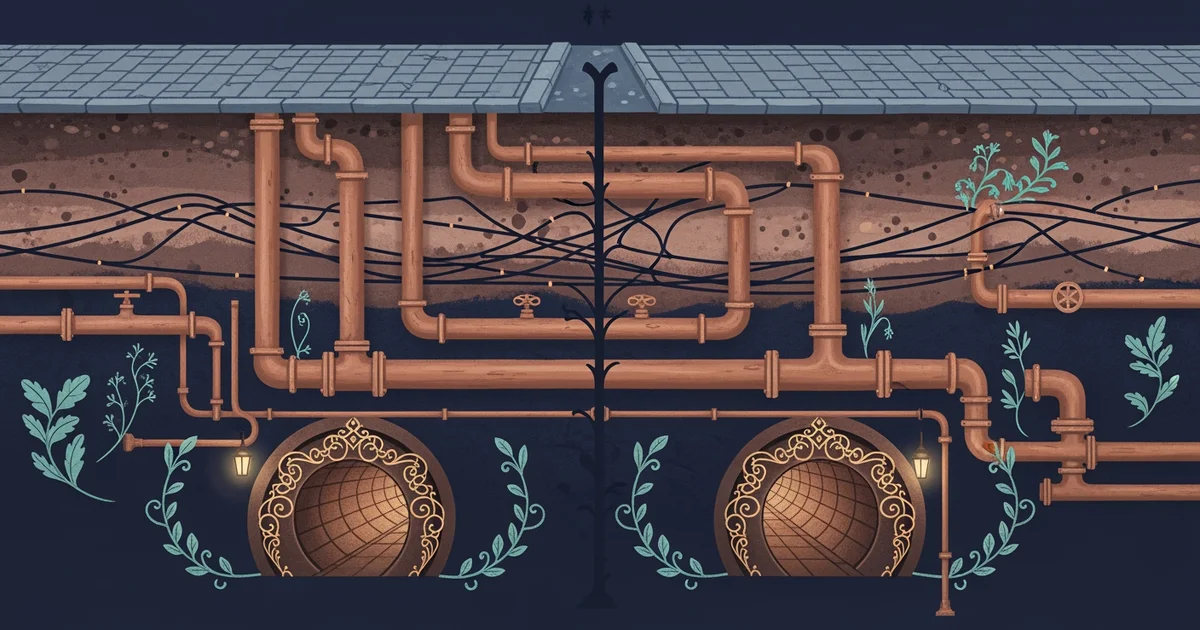
Designing for Dynamic Coastal Environments
To manage coastal roads effectively, planners must transition from building static barriers to creating adaptive systems. Think of this like choosing a flexible umbrella during a storm rather than trying to build a heavy roof over an entire city. An umbrella can fold and move with the wind, whereas a massive roof might collapse under the pressure of a gale. By integrating permeable surfaces and elevated road segments, engineers allow water to flow through or under the road without destroying the structural base. This approach ensures that the road remains functional even when the surrounding environment experiences temporary flooding.
Key term: Urban Resilience Planning — the systematic process of designing civic infrastructure to maintain essential functions during and after severe climate events.
Effective resilience requires a combination of natural and human-made solutions. These strategies ensure that roads do not become isolated islands during high-tide surges or intense storm cycles. Planners often implement the following methods to enhance road durability:
- Permeable pavement materials allow water to drain into the ground beneath the road, which reduces surface runoff and prevents dangerous flash flooding during heavy rainstorms.
- Elevated road sections lift critical transportation routes above potential flood zones, ensuring that emergency vehicles can still move through the city during severe weather crises.
- Natural barrier buffers like mangroves or restored wetlands act as sponges, absorbing wave energy before it reaches the road and preventing erosion of the foundation.
Balancing Infrastructure and Long-Term Stability
Integrating these features requires a deep understanding of how physical structures shape our daily movement. When cities design roads that work with nature rather than against it, they create a more reliable network for all citizens. This shift in perspective transforms the road from a simple path into a protective asset that supports community safety. However, the cost of these advanced materials often creates tension between immediate budget constraints and the need for long-term safety. Local governments must decide how much to invest today to prevent much larger repair costs in the future.
| Strategy | Primary Benefit | Maintenance Effort |
|---|---|---|
| Permeable Paving | Reduces Runoff | High |
| Elevated Roads | Flood Avoidance | Moderate |
| Wetland Buffers | Wave Absorption | Low |
Selecting the right strategy depends on the local geography and the specific climate risks facing that region. A city built on sandy soil might benefit more from wetland buffers, while a dense urban center might require elevated road structures to save space. By analyzing these variables, planners can develop a tailored approach that balances physical durability with economic reality. This process ensures that the city remains connected even when the environment becomes unpredictable and harsh. The goal is to build a foundation that supports human life regardless of the challenges posed by a changing climate.
Building resilient infrastructure requires shifting from rigid, static designs toward flexible systems that absorb and adapt to environmental shifts.
But this model of technical adaptation often clashes with the social needs of residents when community engagement is ignored during the planning process.