
Geomagnetic Reversal Theory
Imagine you are driving a car that suddenly decides to shift its steering controls to the opposite side while you are cruising down the highway. This strange shift is exactly how scientists describe the unpredictable and dramatic event of a geomagnetic reversal on our planet.
Understanding Magnetic Fluid Dynamics
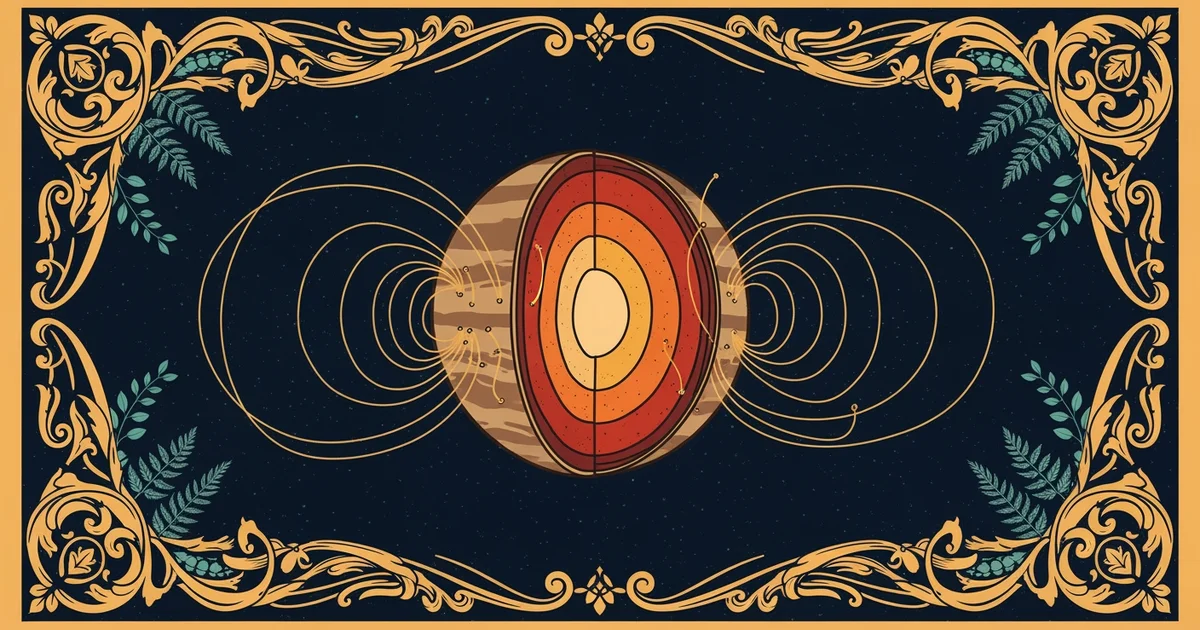
When we look deep inside the Earth, we find a swirling ocean of molten iron and nickel that generates our protective magnetic field. This process, known as the geodynamo, functions like a massive electric generator that keeps the planet shielded from harmful solar wind. The field is not static, however, as it constantly shifts and changes strength over long periods of time. Researchers use numerical models to simulate how these fluids move within the outer core. By tracking these motions, we can see how the magnetic field lines become twisted and tangled over many centuries. When the energy in these loops becomes too chaotic, the stable dipole field begins to weaken significantly. This weakening phase serves as the primary indicator that a pole flip might be starting soon. The process is much like a bank account that gradually loses funds until the balance hits zero and then begins to build up in the opposite direction. Just as an account holder must adjust their spending habits to avoid bankruptcy, the Earth must reorganize its internal currents to maintain a stable magnetic structure. The complexity of these fluids means that we cannot predict the exact timing of these shifts with total precision today.
Modeling the Mechanics of Polarity
As the magnetic field reaches its lowest point, the North and South poles do not simply swap places in a clean, instant motion. Instead, the field often breaks down into multiple smaller, weaker poles that scatter across the surface of the globe. This complex transition phase can last for several thousand years before a new, stable dipole emerges once again. Scientists rely on advanced computer simulations to visualize how these magnetic lines reconnect during the flipping process. These models show that the field does not vanish entirely, but it does become much less effective at blocking radiation from space. Think of this like a security system that goes offline for repairs, leaving the house temporarily vulnerable to intruders while the new wires are being installed. During this time, the intensity of the magnetic field drops to a fraction of its normal strength. We know this happens because ancient volcanic rocks contain iron minerals that lock in the orientation of the magnetic field at the time they cooled. By analyzing these rock samples, we can create a timeline of past reversals that have occurred throughout the history of our world.
To understand the state of the magnetic field, we categorize the different phases of a reversal event:
- Stable Dipole Phase: The magnetic field maintains a strong and consistent orientation, allowing for reliable navigation using compasses across the entire surface of the Earth.
- Transition Instability Phase: The primary magnetic poles begin to wander significantly, causing the overall strength of the protective shield to drop as the internal currents struggle to reorganize.
- Multiple Pole Phase: The field breaks into several smaller, localized magnetic regions that do not align with the standard North or South poles, creating a period of extreme magnetic chaos.
- Reversal Completion Phase: The magnetic currents eventually align into a new, stable dipole orientation, which marks the end of the transition period and restores the protective shield to full capacity.
These stages help researchers predict what might happen when the next reversal eventually begins to take hold on our planet. Even though these events sound catastrophic, the geologic record shows that life on Earth has survived many such flips in the past. We continue to study these patterns to improve our understanding of the deep interior forces that shape our world. By refining our numerical models, we gain a better perspective on the long-term stability of the environment that sustains us all.
Magnetic reversals represent a temporary reorganization of the Earth's internal fluid currents that results in a complete shift of the planet's magnetic poles.
But what does it look like in practice when these magnetic forces begin to migrate across the surface of the Earth?