
Therapeutic Stimulation
In 1958, Arne Larsson received the world's first internal pacemaker after his heart rate dropped dangerously low during a routine walk. This life-saving intervention transformed a failing biological pump into a reliable machine by using precise electrical pulses to maintain a steady rhythm. This successful integration of hardware and biology represents the peak of medical engineering through therapeutic stimulation. Modern medicine now relies on these devices to bridge the gap between failing organs and sustained human life.
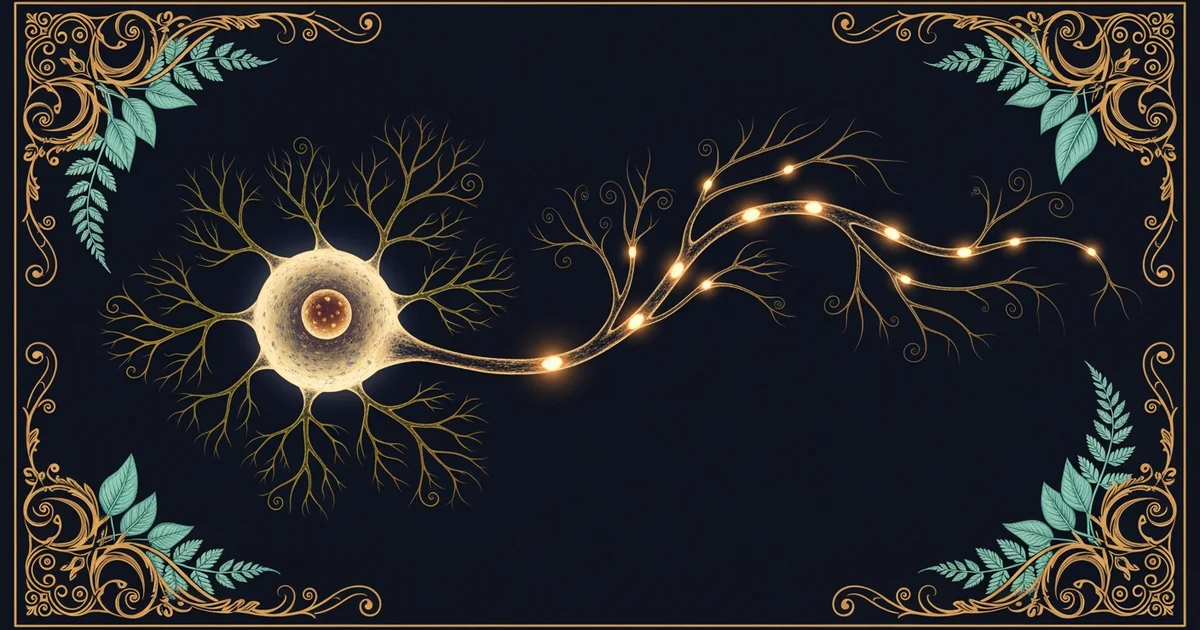
Mechanisms of Electrical Heart Support
When the heart loses its natural rhythm, the internal electrical system often fails to send the necessary signal to the muscle fibers. A pacemaker functions by monitoring the heart's own electrical activity and delivering a small, timed voltage pulse when the natural signal is absent or too slow. This process relies on the principle of charge transfer where a metal electrode touches the heart tissue to induce a controlled contraction. The device acts like a metronome for a musician, ensuring that every beat occurs at the correct interval to keep blood flowing through the body.
Key term: Therapeutic stimulation — the use of controlled electrical currents to restore or modify the function of nerves, muscles, or organs within the human body.
To understand how this electricity interacts with living tissue, consider an electrical grid in a city during a storm. If the main power lines fail, the city uses backup generators to keep the lights on and the traffic signals moving. In the human body, the pacemaker serves as this backup generator. It provides the essential current needed to keep the biological machinery running when the primary internal pathways suffer from damage or age-related decay. Without this artificial spark, the heart would lack the instructions required to pump blood effectively to the brain and lungs.
Comparing Modern Stimulation Devices
Beyond the heart, medical science uses electrical stimulation to treat various conditions that involve nerve damage or chronic pain. These devices vary in their placement, frequency, and intended target, but they all share the fundamental goal of restoring normal signal pathways. The following table outlines how different stimulation technologies interact with the body to improve patient health outcomes.
| Device Type | Target Area | Primary Function | Typical Frequency |
|---|---|---|---|
| Pacemaker | Heart muscle | Restores rhythm | Low (fixed/demand) |
| Vagus Stimulator | Neck nerves | Reduces seizures | Variable (periodic) |
| Spinal Stimulator | Nerve roots | Blocks pain signals | High (continuous) |
| Deep Brain Unit | Brain tissue | Manages tremors | Very high (pulsed) |
Each device requires specific calibration to ensure the electrical output matches the patient's needs without causing tissue damage. Doctors must carefully balance the voltage and the duration of each pulse to avoid overwhelming the delicate nerve cells. This precision is vital because the body naturally operates using extremely low levels of current. Any excess energy could lead to unwanted side effects or the degradation of the surrounding tissue over time.
Challenges in Electrical Therapy
While these tools provide incredible benefits, they face significant hurdles regarding battery life and the body's natural immune response. The hardware must remain small enough to fit inside the chest while providing enough power to last for many years without replacement. Furthermore, the body often views the metal electrodes as foreign objects and attempts to grow scar tissue around them. This barrier increases the electrical resistance and forces the device to work harder to achieve the same therapeutic result. Engineers are now developing new materials that mimic biological surfaces to reduce this rejection and allow for smoother integration with the heart or brain. Success in this field requires constant innovation to make these systems smaller, smarter, and more compatible with our natural electrical environment.
Therapeutic stimulation uses artificial electrical impulses to override or support failing biological signals, allowing medical professionals to restore critical organ functions that would otherwise cease.
But this model faces a major hurdle when the complex signal processing required for neural feedback loops exceeds our current technological capacity for miniaturization.