
Designing A Better Future
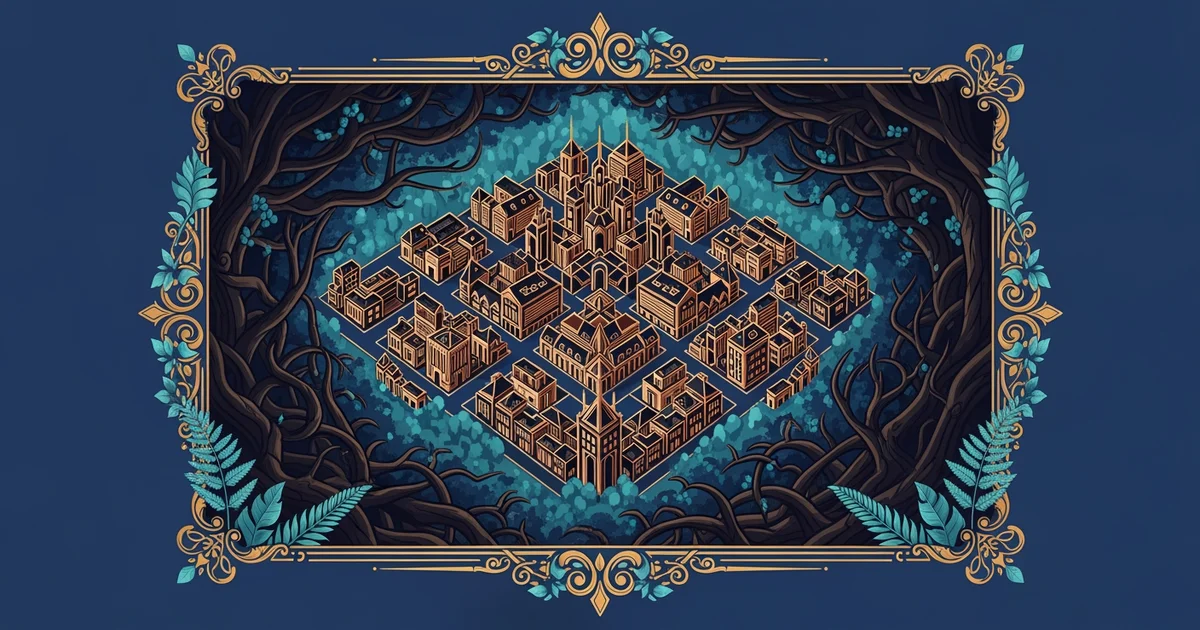
Imagine you are drafting the blueprints for a new city where every citizen has a voice. You must decide how to balance individual freedom against the needs of the collective group. Designing a better future requires us to move past simple dreams of perfection and address the messy reality of human behavior. We often focus on grand ideals, but the real work happens when we negotiate the trade-offs between stability and liberty.
The Architecture of Social Balance
Building a fair society is much like managing a complex household budget with limited monthly income. You must prioritize essential needs like food and shelter while balancing the desire for luxuries or personal freedom. If you spend every cent on security, you lose the ability to innovate or grow as a community. If you spend everything on individual whims, the foundation of the house eventually crumbles from neglect. This economic tension defines the struggle between utopian hopes and the practical limits of our social structures.
Key term: Social equilibrium — the state where the competing interests of individuals and the collective are balanced through fair rules.
To move toward a better future, we must synthesize the lessons of resistance and agency from our earlier discussions. Resistance teaches us that power structures often become rigid and oppressive if left unchecked by the people. Agency reminds us that every person holds the potential to reshape their environment through intentional action. When we combine these ideas, we see that a balanced society relies on active participation rather than passive obedience. A perfect world is not a static destination, but a process of constant adjustment and careful negotiation.
Designing Systems for Human Flourishing
We must consider how our institutions shape our daily choices and long-term goals for the future. Systems that ignore human flaws often lead to dystopian outcomes, regardless of the good intentions behind them. A robust design accounts for our natural biases while providing enough space for personal growth and creativity. We can categorize the core requirements for a balanced society into three distinct pillars that support the overall structure of our shared existence:
- Transparent governance allows citizens to understand how decisions are made and ensures that those in power remain accountable to the public interest.
- Equitable resource distribution ensures that every individual has the baseline support necessary to exercise their agency without fear of basic survival failure.
- Dynamic feedback loops provide regular opportunities for the community to adjust rules and policies based on changing needs or unforeseen social consequences.
These pillars create a framework where individual agency is protected while the collective good remains the primary focus of the entire community. By focusing on these structures, we avoid the trap of expecting humans to act like perfectly rational beings at all times. Instead, we build a system that accommodates our imperfections while encouraging our best traits to flourish. This approach moves us away from the rigid, top-down models that historically fail to adapt to the needs of diverse populations.
| Pillar | Focus Area | Primary Function |
|---|---|---|
| Governance | Decision making | Maintaining public trust |
| Resources | Economic access | Ensuring basic survival |
| Feedback | System updates | Correcting social errors |
This table illustrates how different components of a society work together to maintain stability and encourage progress. Governance provides the rules, resources provide the capacity to act, and feedback ensures the system stays relevant. When one of these pillars weakens, the entire structure becomes vulnerable to collapse or corruption. We must maintain all three to ensure that the society remains healthy and responsive to the people it serves. Our goal is to create a dynamic environment where the tension between freedom and security remains productive rather than destructive.
Designing a functional society requires building flexible systems that balance individual agency with collective needs through constant, transparent community feedback.
The next step in our journey involves exploring the ethics of hope and how it sustains us during the long process of social change.