
Defining The Ideal State
Imagine you are building a house from scratch without any blueprints or clear instructions. You want every room to be perfect, but you cannot agree on what makes a home feel truly complete. Some people value open space for freedom, while others prefer small, cozy corners that offer safety and warmth. This struggle to define the ideal space reflects the core challenge of human society. We try to design a perfect world, yet we often disagree on the basic goals of that design.
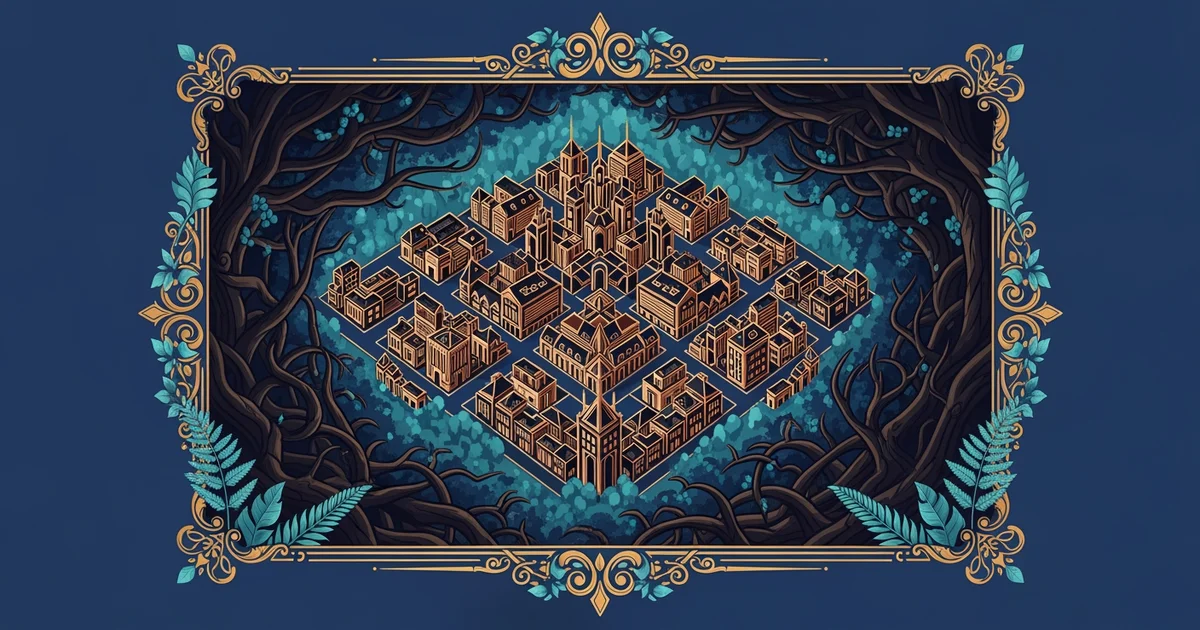
The Architecture of Human Aspiration
When thinkers imagine an ideal society, they often start by identifying the biggest problems they face today. They see inequality, conflict, or resource shortages and try to build a system that removes these flaws entirely. This process is like drafting a blueprint for a city where no one ever gets lost or hungry. By removing the obstacles that cause us pain, we hope to create a space where everyone thrives. However, this vision often ignores the fact that different people have different needs. A system that works for one person might feel like a cage to another person who values different things.
Key term: Utopian thought — the practice of designing an ideal society that solves human problems through perfect organization and shared values.
To build this ideal state, designers often rely on central planning to ensure that resources reach everyone in need. They assume that if we manage our assets correctly, we can eliminate the struggle for survival. This sounds logical, but it assumes that humans will always act in ways that support the greater good. It treats society like a machine that only needs the right parts to run forever without breaking. If the machine stops working, the designers often blame the people instead of the design itself.
Balancing Freedom and Order
Building a perfect society requires a delicate balance between individual freedom and the need for order. If we give people total freedom, some might take more than their fair share and leave others behind. If we enforce strict order, we might lose the creativity and variety that make life worth living. This tension is the central problem of political design. We want a structure that protects us from harm without limiting our ability to choose our own paths.
Consider the following traits often found in attempts to define an ideal society:
- Shared resources ensure that no person suffers from lack of food, water, or shelter through collective effort.
- Clear social roles allow every person to know exactly how they contribute to the health of the community.
- Unified goals keep the entire population moving forward toward a common vision of success and long-term stability.
These traits aim to create a stable environment, but they also require people to sacrifice some personal desires. The challenge is deciding how much of our personal identity we are willing to give up for the sake of the whole group. If the cost of the ideal state is our own voice, the dream may quickly turn into a nightmare for many citizens.
The Reality of Human Flaws
We must ask if a perfect society can exist when human nature itself is so messy and unpredictable. Even if we build the most efficient system, our own desires and mistakes will eventually push against the rules. We are not like gears in a clock that stay in place once they are set. We change our minds, we compete for status, and we often prioritize our own families over the wider community. A system that ignores these basic human traits will likely struggle to stay balanced over time.
| Approach | Goal | Risk |
|---|---|---|
| Strict Order | Stability | Loss of personal choice |
| Total Freedom | Liberty | Inequality and conflict |
| Shared Assets | Equality | Reduced individual incentive |
By examining these trade-offs, we can see that no single design offers a perfect solution for everyone. The pursuit of a perfect society is less about finding a final answer and more about managing the constant tension between our competing needs. As we move forward, this path will help you understand how these ideas shape the world we live in today.
Defining the ideal state involves balancing the human desire for a perfect, stable world with the reality of our own diverse and unpredictable nature.
The next station explores how attempts to create these perfect systems often lead to unexpected and dangerous consequences.