
The History of Digital Design
Imagine you are trying to operate a complex machine with no labels, no buttons, and no manual. You feel the frustration of a digital pioneer who stares at a blank screen without knowing how to start. This historical tension defines the evolution of our tools. We once built systems for machines, but we now build them for people.
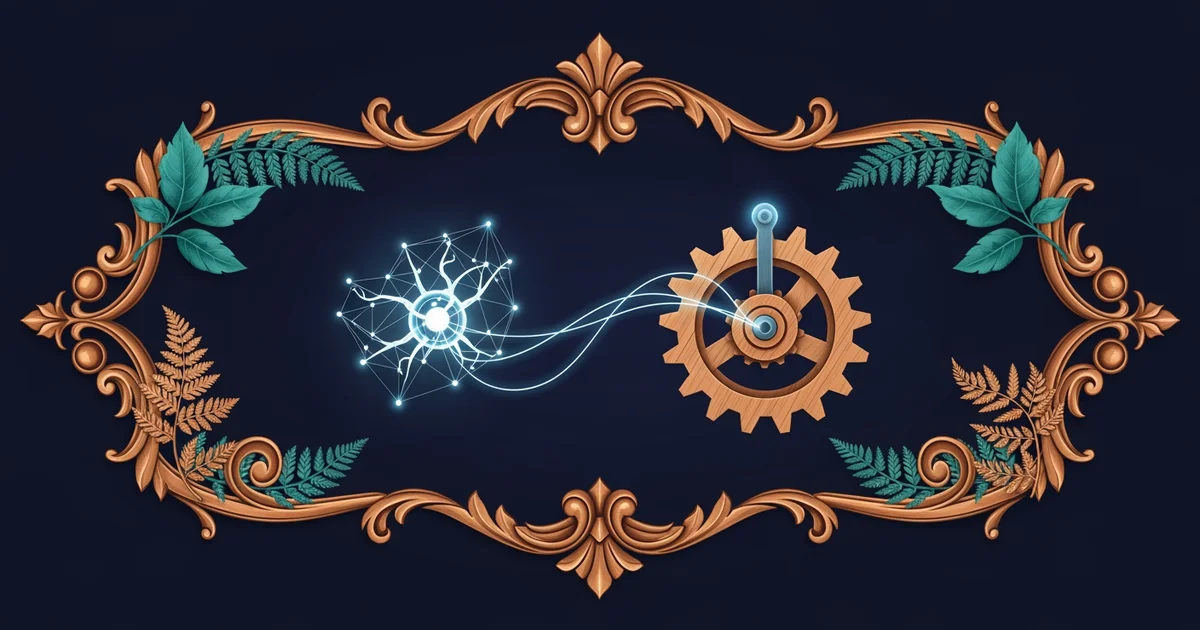
The Shift Toward Human-Centered Design
Early digital systems functioned like cold, rigid filing cabinets that demanded specific commands from the user. You had to learn the machine's language before you could perform even the simplest tasks. This era prioritized technical efficiency over human comfort, treating the user as a cog in the machine. Designers eventually realized that technology becomes useful only when it adapts to the way humans naturally think. This transition from machine-centric to human-computer interaction changed everything about how we build software today. It turned the computer from a specialized tool into a universal extension of our own daily intentions.
Key term: Human-computer interaction — the field of study focusing on the design and use of computer technology, centered on the interfaces between people and machines.
We can compare this evolution to the history of the automobile. Early cars required a person to manually crank the engine and adjust fuel mixtures while driving. Modern cars handle those complex internal processes automatically so the driver can focus on the road ahead. Digital design followed this same path toward simplicity and intuitive control. We moved from typing cryptic text codes to clicking visual icons that represent real-world objects. This shift allowed more people to access the power of computing without needing a degree in engineering.
Evolution of Interface Paradigms
Designers have experimented with various ways to bridge the gap between human thought and machine action. Each new method attempts to lower the barrier to entry for the average person. Consider how these common interface stages have shaped our current digital habits:
- Command-line interfaces required users to memorize exact text strings to trigger specific system responses — this forced users to think like the computer rather than like a human.
- Graphical user interfaces introduced visual metaphors like folders and trash cans to help people map digital tasks to physical reality — this made navigation feel natural and familiar.
- Natural language processing allows users to speak or type in everyday sentences to get results — this removes the need for specialized syntax altogether.
These stages represent a steady move toward invisible technology. When an interface works perfectly, the user stops noticing the tool and starts focusing entirely on the goal. This invisibility is the ultimate mark of success in modern digital design. However, this ease of use brings its own ethical weight. When tools become too easy to use, we might stop questioning what happens behind the screen. We must remain aware of the choices embedded within these smooth, invisible systems.
| Interface Type | Primary Input | User Requirement | Efficiency Gain |
|---|---|---|---|
| Command-Line | Text Syntax | High Technicality | Low For Novices |
| Graphical | Mouse/Touch | Visual Logic | High For Tasks |
| Natural | Voice/Text | Everyday Speech | Very High Ease |
This table shows how we have traded complexity for accessibility over several decades. We now demand that our devices anticipate our needs before we even express them clearly. This evolution creates a moral landscape where the designer holds immense power over the user. By shaping the interface, the designer also shapes the user's behavior and choices. We must ask if these designs serve the user's best interest or the company's profit. Understanding this history helps us see that these interfaces are not neutral objects. They are intentional choices that reflect the values of the people who created them.
Digital design has evolved from forcing humans to mimic machine logic toward creating systems that intuitively adapt to human behavior.
Now that we understand how interfaces have simplified over time, we must examine how those design choices encode specific values into the architecture of our software.