
The Roots of Street Performance
Imagine walking through a bustling city square where a lone musician turns a quiet corner into a lively concert hall. You pause your busy day because the music creates an unexpected connection between strangers standing in the crowd. This small moment of shared joy is not just luck but a tradition that has existed for thousands of years. Early performers used public spaces to share news, tell stories, and entertain people who could not afford private shows. These artists transformed simple streets into stages long before modern theaters were built to house such performances.
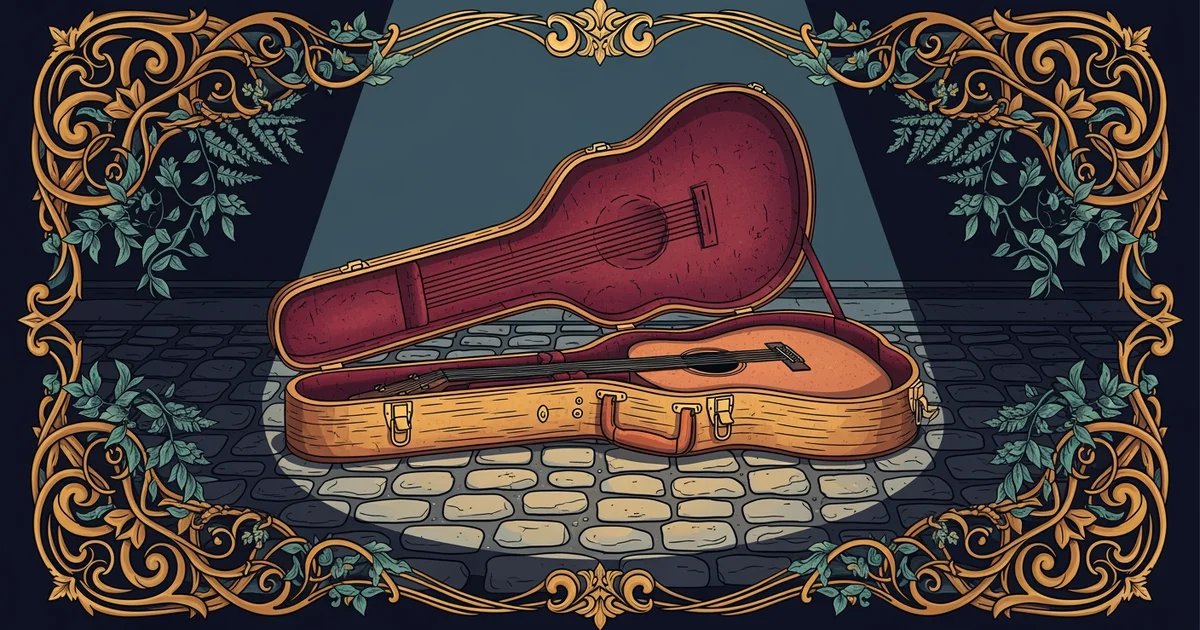
The Historical Roots of Public Performance
Public artistic expression started as a way for travelers to trade their skills for basic needs like food or shelter. In ancient times, performers moved from town to town to share news of distant lands through song and rhythmic dance. These early street artists acted like a human internet because they carried information across borders where no formal news systems existed. People gathered in open markets to hear these traveling storytellers because they offered the only form of entertainment available to the common public. By turning the street into a platform, they ensured that culture reached everyone regardless of their wealth or social status.
Key term: Busking — the act of performing in public spaces for voluntary donations or tips from passersby.
These performers played a vital role in keeping communities connected during times when travel was rare and difficult. They brought new musical styles and cultural stories to isolated villages that would otherwise remain stagnant and disconnected from the world. Think of these performers as the early version of a social media feed, but instead of digital screens, they used their voices and instruments to capture attention. They relied on their ability to stop a crowd in its tracks to earn a living through the generosity of their audience. This exchange created a unique bond between the performer and the local community members watching them.
The Social Role of Early Performers
Beyond simple entertainment, these artists served as the heartbeat of urban life by animating otherwise empty and cold public spaces. They forced people to slow down and notice their surroundings, which helped foster a sense of shared community identity among residents. When a performer occupies a street corner, they change how people navigate the city by creating a temporary hub for social interaction. This transformation proves that public spaces belong to the people, not just the buildings or the traffic that usually fills them. The presence of art makes a city feel alive, safe, and welcoming to those who live and work there.
To understand how different performers contributed to public life, consider the various roles they played in history:
- Troubadours traveled through towns to recite epic poems and sing songs about local heroes, which helped preserve regional history for future generations who had no written records.
- Jesters used humor and physical comedy to mock social norms, which allowed the public to feel a sense of relief and shared laughter about their daily struggles.
- Street musicians played instruments to create a festive atmosphere during market days, which encouraged people to stay longer and spend more time talking with their neighbors.
This historical foundation shows that street performance is a fundamental human activity that bridges the gap between private life and public space. By choosing to perform in the open, these artists challenged the idea that art should only be for the wealthy or the elite. They proved that a simple sidewalk can become a center for culture if someone is brave enough to stand there and share their talent with the world. This legacy continues today whenever you see a performer sharing their craft in the middle of a busy street.
Public performance transforms ordinary streets into shared cultural stages by turning passive observers into an active, connected community.
By exploring how these early artists shaped our cities, you will gain the knowledge needed to define the public stage for your own creative projects.