
Anatomy in Health
Imagine your body functions like a large, busy city that requires constant maintenance to keep the lights on and the roads clear. If the city infrastructure suffers from neglect, the entire system begins to struggle with basic daily tasks and long-term stability. Anatomy in health works much the same way, as the physical structure of your organs and tissues dictates how well your biological systems can handle life. Every choice made regarding movement, nutrition, and rest directly impacts the structural integrity of your internal systems.
The Impact of Lifestyle on Structural Integrity
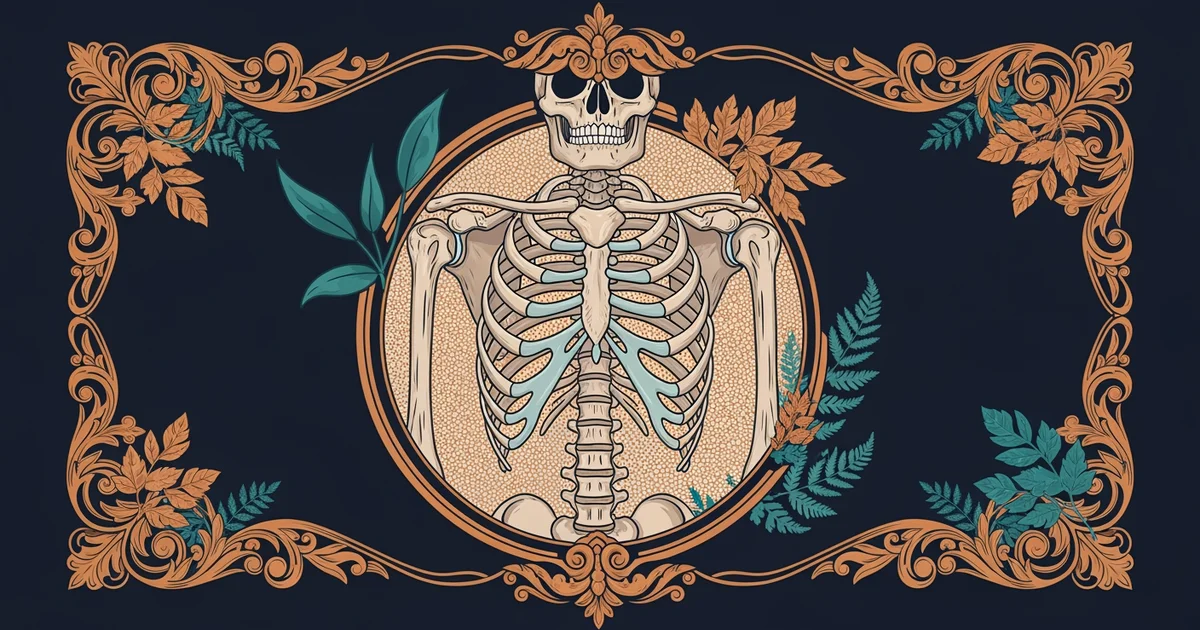
When people consider their anatomical health, they often focus on isolated parts rather than how the whole machine operates together. Research suggests that consistent physical activity acts like a maintenance crew for your skeletal and muscular systems. By putting controlled stress on your bones and muscles, you signal the body to reinforce those structures for future challenges. In contrast, a sedentary lifestyle allows these systems to weaken, much like a bridge that loses strength when traffic stops flowing across it. This structural decay makes the entire body less efficient at managing energy and waste.
Key term: Homeostasis — the process by which biological systems maintain a stable internal state despite changes in the external environment.
Beyond movement, the fuel provided to the body significantly dictates the performance of your internal organs. Proper nutrition delivers the raw materials needed for cellular repair and hormonal balance throughout the day. If the body lacks essential nutrients, the metabolic systems must prioritize which functions to maintain and which to sacrifice. This choice often leads to systemic strain, as the body struggles to keep complex operations running without the necessary building blocks. Think of this process like a factory that must keep production moving while its supply lines are currently running low on parts.
Systemic Integration and Long-Term Function
Supporting your anatomical systems requires a holistic view of how different parts interact to sustain life. In earlier stations, we examined how the circulatory system transports vital gases and how the nervous system coordinates rapid responses. When these systems are healthy, they communicate seamlessly to ensure that every cell receives what it needs. If one system begins to falter due to poor habits, it creates a cascade of issues for all other connected parts. Maintaining anatomical health means ensuring that the communication lines between these systems remain open and clear.
To keep your body functioning at its highest potential, consider the following habits that support long-term structural health:
- Regular strength training exercises help increase bone density, providing a stable frame for muscles and organs to function efficiently over time.
- Balanced dietary intake ensures that the body receives diverse nutrients, which prevents the systemic fatigue caused by missing essential biological components.
- Consistent sleep cycles allow the body to perform deep tissue repairs, ensuring that cellular damage from the day is fully addressed.
| System | Primary Role | Maintenance Need |
|---|---|---|
| Muscular | Movement | Physical Load |
| Digestive | Nutrient Flow | Quality Fuel |
| Skeletal | Support | Impact Exercise |
Understanding these interactions helps explain why the body is more than just a collection of parts. It functions as an integrated network where every component relies on the health of its neighbors. By choosing habits that support this network, you ensure that the complex systems work together to keep you alive and active. The goal is not just to survive, but to provide your body with the best environment to maintain its natural, healthy state. Your anatomical systems are built to adapt, but they require consistent and positive inputs to remain strong and resilient throughout your life.
Maintaining anatomical health relies on consistent lifestyle choices that support the structural integrity and communication of all internal systems.
Understanding how your anatomy supports your daily life provides a roadmap for making informed decisions about your long-term physical well-being. This content is educational only and does not constitute medical advice. Always consult a qualified healthcare professional for personal health decisions.