
Pharmacology and Polypharmacy
A person arrives at the pharmacy counter with five different prescription bottles for various health concerns. Managing these individual health needs often requires careful oversight to avoid complications from taking multiple medicines simultaneously.
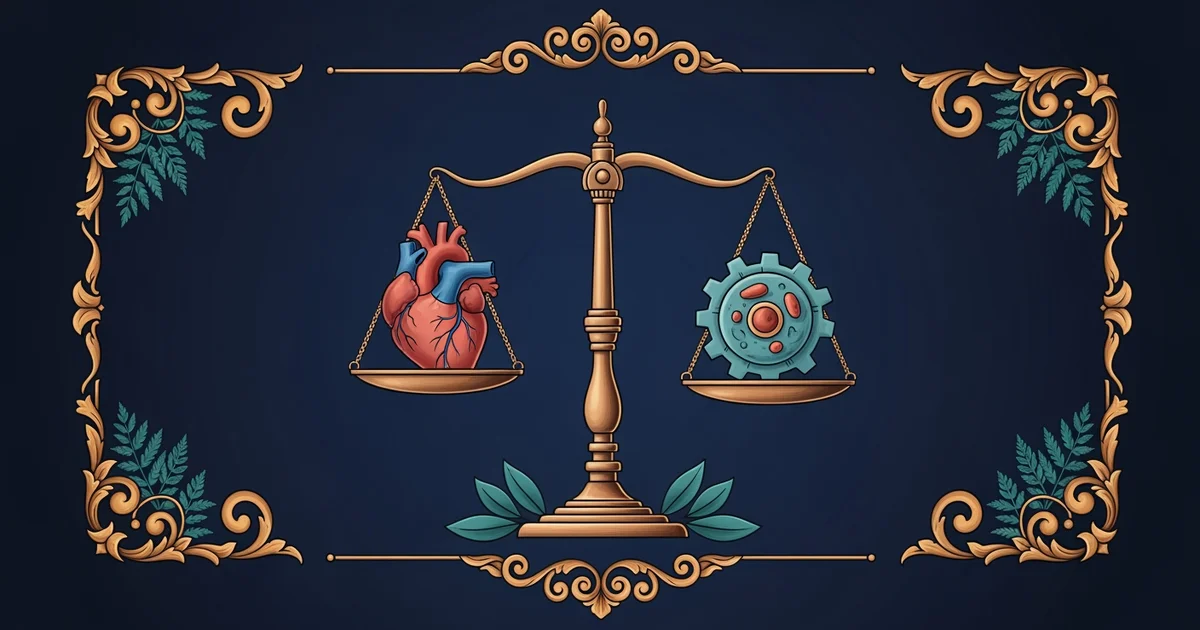
Managing Complex Medication Regimens
When people manage chronic health conditions, they often receive prescriptions from several different doctors at once. This practice, known as polypharmacy, describes the routine use of five or more medications by a single individual. While these drugs often serve essential purposes, the sheer volume of substances increases the potential for unintended chemical reactions. Imagine a busy kitchen where five different chefs attempt to cook the same meal without speaking to each other. If one chef adds salt while another adds a different seasoning, the final dish might become inedible or dangerous. Similarly, multiple drugs in the body can interact in ways that diminish their effectiveness or cause harmful side effects for the patient.
Key term: Polypharmacy — the concurrent use of multiple medications by an individual, which often increases the risk of negative health outcomes.
As the number of medications grows, the probability of experiencing a negative drug interaction climbs significantly higher. These interactions occur when one drug alters the way the body absorbs or processes another substance. Sometimes, a second drug might amplify the effects of the first one, leading to an accidental overdose even at prescribed doses. Other times, the combination might completely block the intended benefit of the therapy. Older adults face higher risks because their bodies process chemicals differently than younger individuals. Changes in kidney and liver function mean that medications stay in the system longer than expected, which complicates the balance of active compounds.
Identifying Risks and Safety Strategies
Healthcare providers use specific methods to monitor these risks and ensure that every prescription remains necessary for the patient. They look for patterns that suggest a medication might be causing more harm than the condition it treats. This process often involves a regular review of all active prescriptions to remove any drugs that no longer serve a clear clinical purpose. The following table highlights common categories of concern when managing multiple medications in older populations:
| Interaction Type | Primary Mechanism | Potential Consequence |
|---|---|---|
| Pharmacokinetic | Absorption changes | Altered drug levels |
| Pharmacodynamic | Synergistic effects | Increased side effects |
| Therapeutic Gaps | Conflicting goals | Reduced overall health |
Research suggests that clear communication between the patient and the entire medical team remains the best defense against these risks. Individuals should maintain a complete list of every drug, vitamin, and herbal supplement currently in use. Providing this list to every doctor ensures that every provider understands the full picture before adding a new treatment. This proactive approach helps prevent the accumulation of unnecessary or conflicting substances within the body. When everyone involved has the same information, they can make safer decisions about long-term care plans.
There are several key warning signs that individuals should monitor to ensure that their medication plan remains safe and effective for their specific needs:
- Unexplained changes in daily energy levels might indicate that a specific combination of drugs is placing too much stress on the body.
- Frequent episodes of dizziness or confusion could signal that a medication interaction is affecting the central nervous system in an unexpected way.
- New digestive discomfort often serves as a primary indicator that the digestive tract is struggling to process the current mix of daily substances.
By staying aware of these physical changes, people can work with their doctors to adjust doses or discontinue treatments that no longer provide value. This level of vigilance turns a complex medication list into a manageable part of a healthy lifestyle. Regular checkups ensure that the medical plan evolves alongside the changing needs of the individual over time.
Maintaining a clear and updated record of all medications is the most effective way to prevent harmful interactions while managing chronic health conditions.
But what does it look like in practice when we consider the physical vulnerability of seniors during daily activities?
This content is educational only and does not constitute medical advice. Always consult a qualified healthcare professional for personal health decisions.
Want this with sources you can check?
Premium Learning Paths for Medicine & Health Sciences are researched against open-access libraries — PubMed, arXiv, government databases, and more — with their distinctive claims cited to real sources and independently checked.
See what Premium includes