
Rare Disease Diagnostics
In 2012, a young boy named William faced a mystery illness that baffled top medical experts for years. Doctors could not find the cause of his severe digestive problems despite performing countless standard tests on his blood and tissues. This is the scenario of a diagnostic odyssey, which is the core concept of this Station S13. When standard methods fail to reveal a clear answer, clinicians turn to advanced genetic tools to solve these medical puzzles. This process helps families find clarity when traditional medicine reaches a dead end.
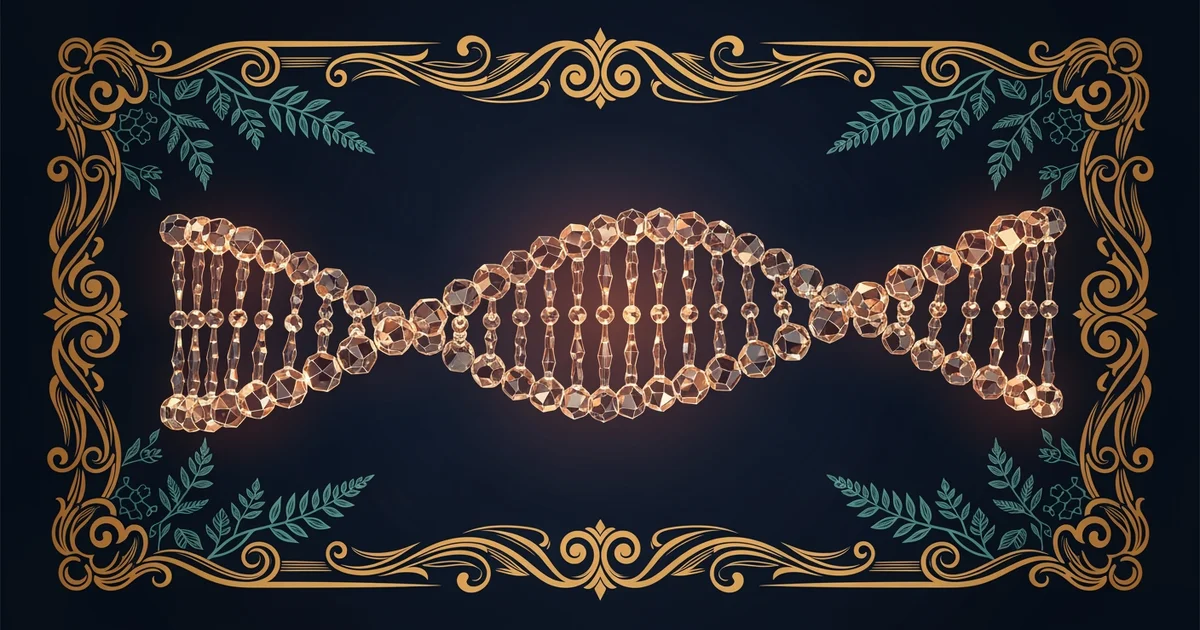
The Diagnostic Odyssey and Genetic Sequencing
When people suffer from rare symptoms, they often move between specialists for many years without finding a formal diagnosis. This long journey is like trying to find a single missing page in a massive library of books without an index. Whole-genome sequencing acts as a giant search engine that scans every single letter of a person’s DNA code. Researchers look for tiny errors in the sequence that might disrupt the body's normal functions. By comparing these results to healthy genetic patterns, experts identify the specific mutation causing the health issue.
Key term: Whole-genome sequencing — the comprehensive laboratory process that determines the entire DNA sequence of an organism's genome at a single time.
Finding a genetic cause does not always lead to an immediate cure, but it provides a definitive name for the condition. This knowledge allows doctors to stop performing invasive procedures that were unlikely to help the patient. Families often experience great relief once they understand the biological basis of their loved one's struggle. This shift from guessing to knowing represents a major change in how clinical teams approach rare cases today.
Navigating the Path to Discovery
Identifying a rare disorder involves a structured pathway that moves from broad observations to precise molecular data. The process requires careful coordination between genetic counselors, laboratory technicians, and primary care physicians to ensure accuracy. The following table outlines the standard steps taken during this diagnostic journey for patients with unknown conditions:
| Stage | Action Taken | Primary Goal |
|---|---|---|
| Clinical Review | Gathering family history | Identifying potential patterns |
| Initial Testing | Standard blood work | Ruling out common diseases |
| Genetic Screening | Targeted gene panels | Checking known disease markers |
| Deep Sequencing | Whole-genome analysis | Finding rare, unknown mutations |
Each step serves as a filter to narrow down the vast amount of biological information. If the initial screens return negative, the team moves toward more complex methods like variant interpretation. This involves analyzing how specific changes in the DNA code affect the way proteins are built in the body. Without this detailed analysis, many rare conditions would remain hidden in the background noise of our complex genetic data.
Once a potential mutation is found, the clinical team must verify if it truly causes the observed symptoms. They look for similar cases in global databases to see if other people share the same genetic signature. This collaborative effort demonstrates how modern technology connects isolated cases into a larger, shared medical understanding. It is a powerful way to turn raw data into actionable insights for patients who previously had no options.
Understanding rare disease diagnostics transforms a long, uncertain medical journey into a targeted search for specific genetic answers.
But this model breaks down when the identified genetic variants have unknown effects on human health.
This content is educational only and does not constitute medical advice. Always consult a qualified healthcare professional for personal health decisions.