
The Ecosystem Connection
Imagine a bustling city where the power grid suddenly fails and the water stops flowing. People rely on the infrastructure of a city to survive every single day without thinking. Nature functions much like that city, providing essential services that keep human life possible. When the natural world stays in balance, it provides clean air and fresh water. Healthy ecosystems act as a biological safety net for all human populations across the globe. Understanding these links helps people see why protecting the environment is truly a health priority.
The Web of Natural Services
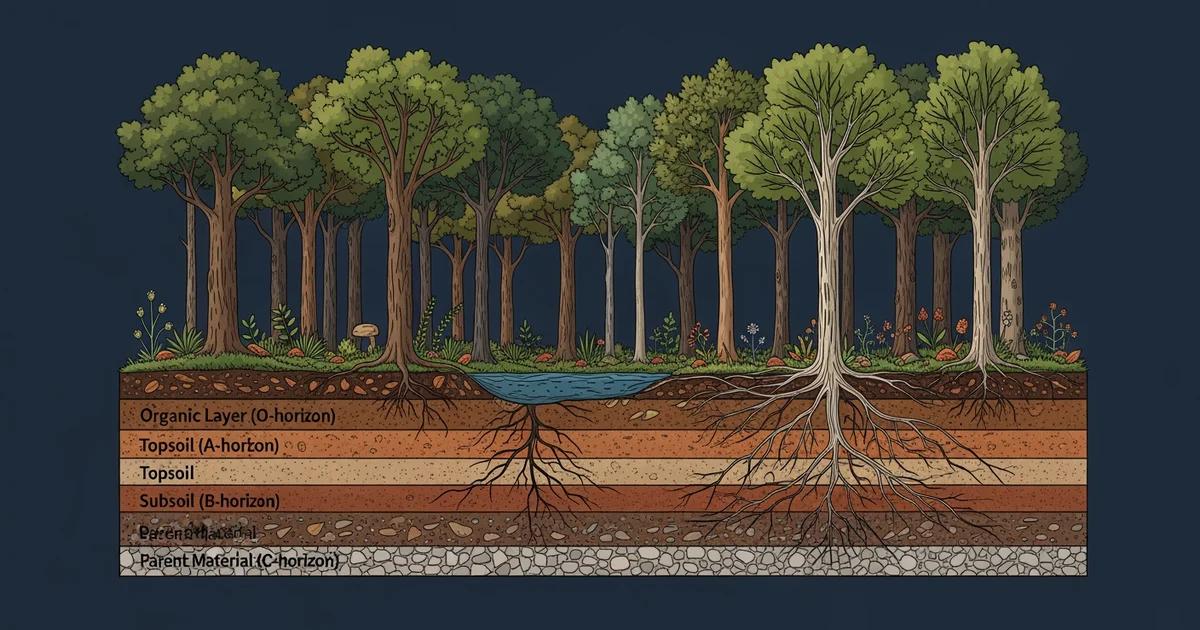
Nature performs work that humans often take for granted, much like a silent service department. These natural processes, often called ecosystem services, include the natural filtering of water and the regulation of climate. Plants pull carbon dioxide from the air and release the oxygen that people need for survival. Without these constant biological actions, the cost of living on Earth would become impossible to manage. Just as a bank manages money to keep an economy stable, nature manages resources to keep life sustainable. If the bank fails, the economy collapses, and the same logic applies to the natural world. When ecosystems degrade, the services they provide become less effective, which directly impacts human well-being and long-term health outcomes.
Key term: Ecosystem services — the natural processes provided by healthy environments that support and sustain human life.
These services provide benefits that are vital for maintaining public health on a global scale. The following list highlights how nature supports human survival through specific, ongoing biological functions:
• Natural water purification occurs as soil and plants filter pollutants from rainfall before it reaches local groundwater sources.
• Pollination services provided by insects and birds ensure that crops grow, which maintains the global food supply chain.
• Disease regulation happens when diverse wildlife populations keep specific species in check, preventing outbreaks of certain harmful illnesses.
• Climate stabilization is achieved by forests and oceans that absorb excess heat and carbon from the atmosphere daily.
Biological Interdependence and Health
Human health is not an isolated event because it depends on the state of the surrounding environment. People exist within a complex web where every action has a ripple effect on other living things. When an ecosystem remains stable, it provides a buffer against environmental threats like heat waves or floods. This stability allows communities to thrive by ensuring access to clean resources that prevent illness. Studies indicate that areas with high biodiversity often show better health outcomes for the people living nearby. This connection shows that the health of the individual is tied to the health of the planet.
| Feature | Stable Ecosystem | Degraded Ecosystem |
|---|---|---|
| Water | Clean and filtered | Polluted and murky |
| Air | Fresh and oxygenated | High in particulates |
| Food | Abundant and diverse | Scarce and limited |
| Climate | Stable temperature | Extreme fluctuations |
Comparing these features illustrates why maintaining a balanced environment is essential for global health. A stable ecosystem acts as a primary health guard, while a degraded one requires human intervention to fix. People depend on these natural systems to keep disease at bay and ensure basic survival. The more that is known about these biological links, the easier it becomes to prioritize environmental health. This knowledge shifts the view of nature from a resource to a partner in health.
Human survival depends on the stable functioning of natural systems that provide clean air, water, and food for everyone.
The next station will explore how specific changes in the atmosphere affect the air that people breathe every day.
This content is educational only and does not constitute medical advice. Always consult a qualified healthcare professional for personal health decisions.