
Nervous System Basics
Imagine you are trying to send a quick message through a busy city during rush hour. You need a clear path for your courier to travel so the note arrives at the right destination without any delay. The human body functions in a very similar way when it moves information from one place to another. Every physical sensation or movement relies on this complex network to keep the body working in perfect harmony. Understanding these paths helps explain why people feel pain or react quickly to sudden changes in their surroundings.
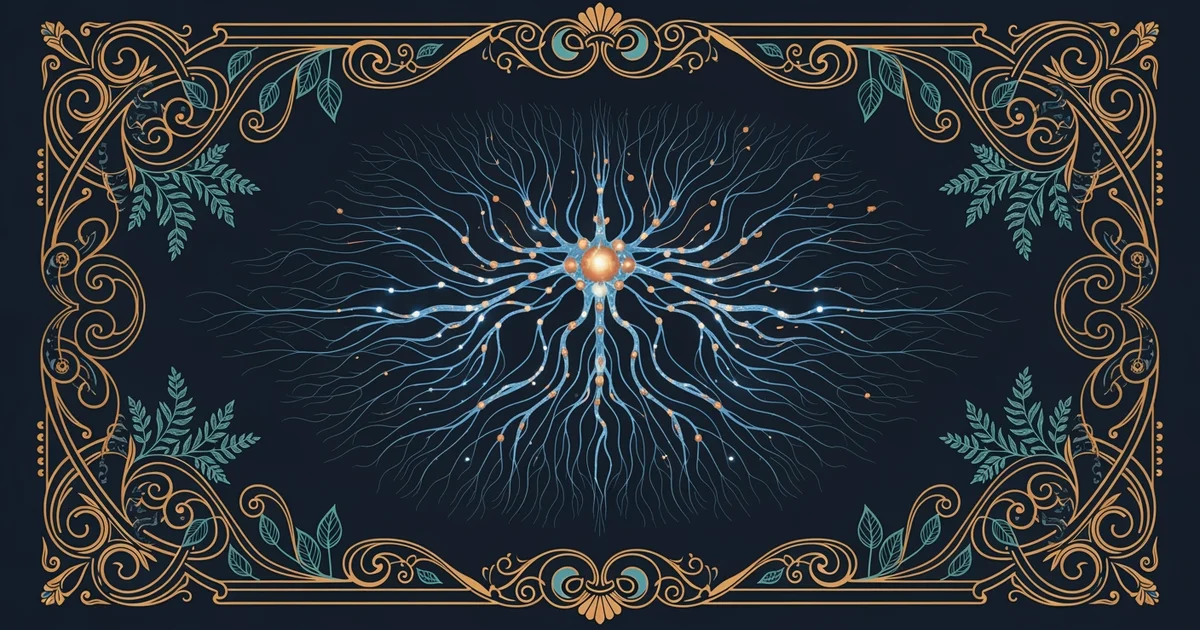
The Anatomy of Neural Pathways
To grasp how information travels, one must first look at the neuron, which acts as the basic unit of communication. These cells form long chains that stretch across the entire body like a vast web of copper wiring. When a stimulus occurs, such as touching a hot surface, the neuron triggers a tiny electrical charge. This charge zaps down the length of the cell to deliver a specific message to the next station in line. Without this constant flow of electrical activity, the brain would remain completely isolated from the rest of the body.
Key term: Neuron — the primary cell type in the nervous system responsible for carrying electrical and chemical signals throughout the body.
Once the signal reaches the end of a neuron, it encounters a tiny gap called a synapse that prevents the electrical pulse from jumping directly forward. Because the electrical charge cannot bridge this physical space, the neuron must switch tactics to keep the message moving along the chain. It releases special chemical messengers that drift across the gap to hit the next cell in the sequence. This conversion process ensures that signals remain precise while moving through the complex environment of human tissues.
Mapping Signal Transmission
Information moves through the nervous system in a specific, orderly fashion that prioritizes speed and accuracy for survival. The process follows a predictable sequence to ensure the body responds appropriately to every internal or external event it encounters. The following list outlines how this transmission sequence functions during a standard sensory event:
- Sensory receptors detect a change in the environment by converting physical pressure or heat into a raw electrical signal.
- Peripheral nerves collect these raw signals and bundle them into larger tracks that lead toward the central nervous system.
- The spinal cord acts as a high-speed relay station by routing urgent information to the brain for rapid processing.
- Motor neurons carry the final instructions back out to the muscles to create a physical action or movement.
Think of this system like a large shipping company that uses different trucks for different types of cargo deliveries. Local drivers pick up individual packages from homes, while large semi-trucks move those goods across major highways to reach the destination. The spinal cord serves as the main highway, while the peripheral nerves act as the local roads connecting your fingertips to the central hub. When a bottleneck occurs on the main highway, the entire delivery process slows down, much like how nerve damage disrupts the flow of information.
| Signal Type | Primary Function | Destination | Speed of Travel |
|---|---|---|---|
| Sensory | Detects changes | Brain | Very fast |
| Integrative | Processes data | Spinal cord | Moderate |
| Motor | Executes action | Muscles | Extremely fast |
This table illustrates how the body categorizes different tasks to ensure that vital information reaches the brain without unnecessary clutter. By separating these duties, the nervous system maintains efficiency even when multiple signals arrive at the same time. This division of labor allows the body to breathe, walk, and react to pain without the brain needing to consciously manage every single tiny detail of the process.
Efficient signal transmission relies on a series of electrical pulses and chemical messengers that travel along specialized pathways to maintain bodily function.
Now that we understand how signals move, we will explore how internal thoughts and emotions can influence these physical pathways. This content is educational only and does not constitute medical advice. Always consult a qualified healthcare professional for personal health decisions.