
Defining Self vs Non-Self
Imagine a security guard standing at a busy entrance, checking identification cards to grant entry to authorized people. Without a clear system to verify who belongs inside, the building would quickly face chaos from unwanted visitors. The human body operates with a similar requirement to keep itself safe from invaders while letting beneficial cells function without interruption. This process of identifying what belongs inside the body versus what represents a threat is the foundation of all immune activity.
The Mechanism of Biological Recognition
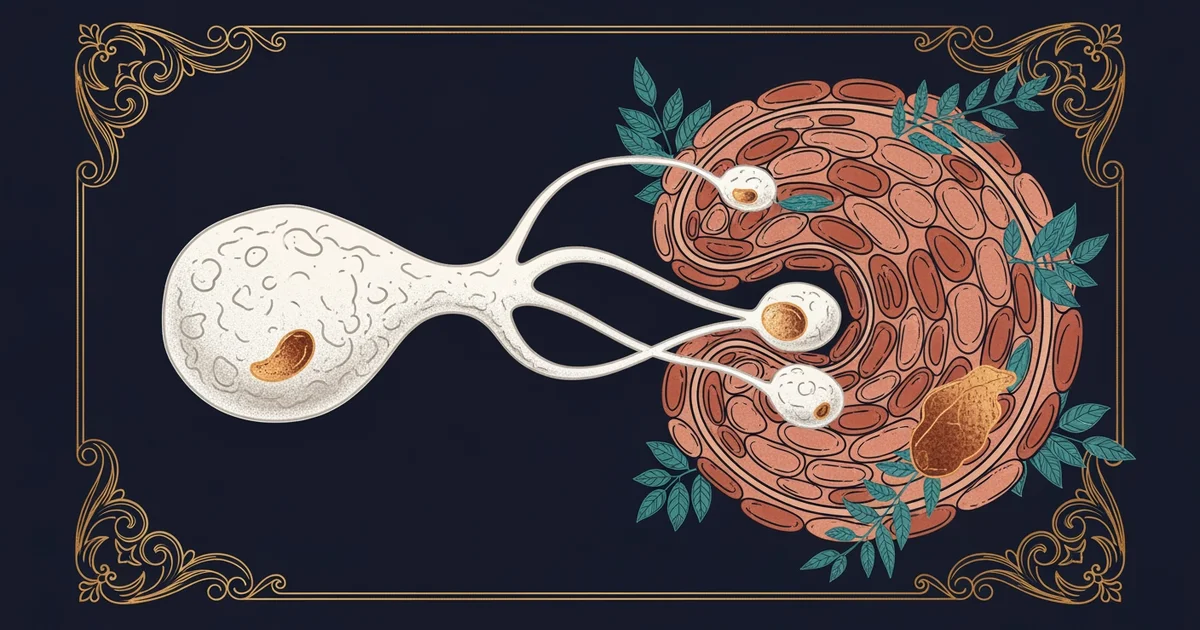
Every cell in the body carries a unique chemical signature on its outer surface that acts like a personal identification card. These markers, known as major histocompatibility complex proteins, allow the immune system to recognize tissues as belonging to the host. When immune cells patrol the bloodstream, they constantly scan these markers to confirm that every cell is a legitimate member of the body. If a cell lacks the correct marker, the immune system immediately flags it for further investigation or destruction. This system works through complex protein interactions that verify the identity of every single cell encountered.
Key term: Major histocompatibility complex — a group of surface proteins that help the immune system identify cells as belonging to the host.
When the immune system encounters a foreign object, such as a virus or a bacterium, it detects that the surface markers do not match the expected profile. These foreign invaders carry their own unique signatures, often called antigens, which trigger an immediate defensive response from the body. Because the immune system is programmed to protect the body, it treats any unrecognized material as a potential danger that must be neutralized. This process ensures that harmful invaders cannot hide by mimicking the appearance of healthy human cells, as the immune system remains highly selective.
Distinguishing Self from Foreign Threats
Understanding how the body separates internal components from external threats requires looking at the specific molecular interaction between cells. The immune system functions similarly to a bank vault that only opens when the correct key is inserted into the lock. If an object does not have the precise molecular shape to fit the receptor, the immune system assumes it is an intruder. This constant surveillance happens across every organ and tissue, ensuring that foreign substances are identified and removed before they cause significant damage to the body.
| Feature | Self Cells | Foreign Cells |
|---|---|---|
| Markers | Recognized as host | Detected as alien |
| Response | No action taken | Immune attack |
| Origin | Naturally produced | External environment |
This table illustrates the fundamental difference between how the body treats internal tissues and outside invaders. Because the immune system constantly monitors these interactions, it maintains a stable internal environment despite the presence of many external pathogens. The accuracy of this recognition process determines whether the body remains healthy or suffers from an infection. If the system fails to recognize a pathogen, the body becomes vulnerable, but if it misidentifies a healthy cell, the results can be equally problematic for the person.
Maintaining this delicate balance is a full-time job for the immune system, which must process millions of signals every hour. Cells that are damaged or aged are often marked for removal to keep the system running efficiently. This internal cleaning process is just as important as defending against external viruses, as it prevents the buildup of debris that could interfere with normal biological functions. By constantly updating its internal inventory, the body ensures that only healthy and legitimate cells continue to operate within its borders.
The immune system maintains health by continuously verifying the unique chemical signatures of every cell to distinguish between native tissues and foreign invaders.
Understanding how the immune system sometimes mistakes healthy tissues for threats will reveal the underlying causes of autoimmunity.
This content is educational only and does not constitute medical advice. Always consult a qualified healthcare professional for personal health decisions.