
Lifelong Literacy
Imagine you are checking your bank account and notice an unexpected charge for a service you never purchased. You must decide if this is a simple error or a sign of a deeper security breach in your digital life. Staying informed requires more than just reading headlines, as it demands a persistent commitment to verifying the truth behind every claim. This final stage of our journey focuses on building a sustainable system for ongoing information evaluation. We must treat our digital mental diet with the same care we apply to our physical health.
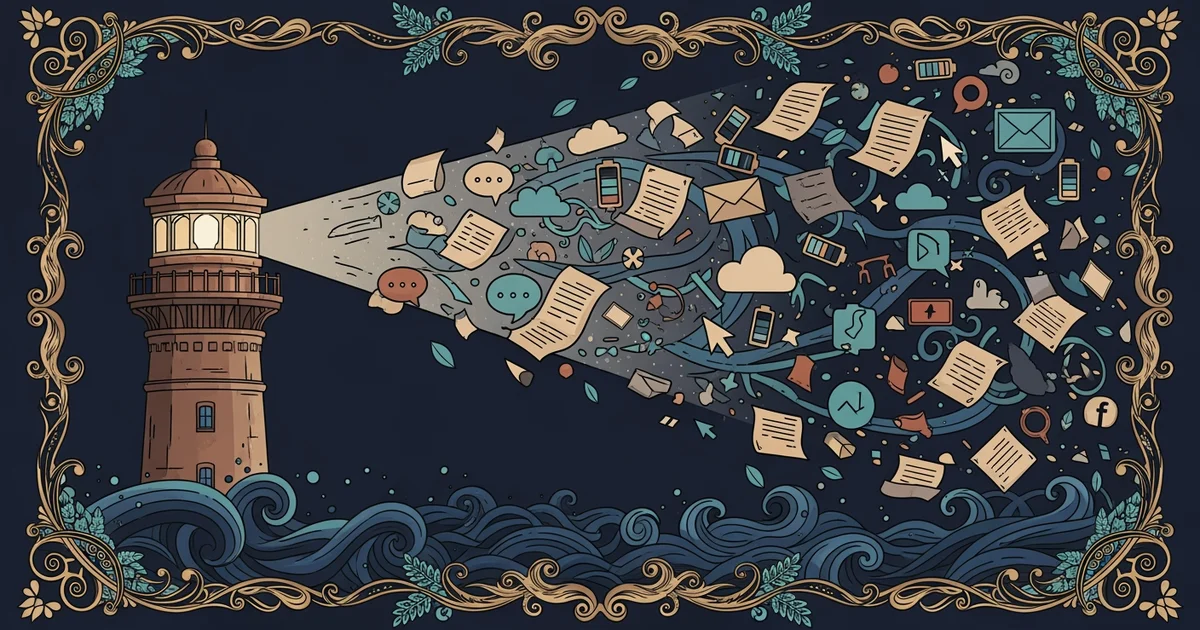
Building Sustainable Habits for Truth
Developing a reliable routine for information hygiene ensures that you do not fall for common traps. Think of this process like maintaining a garden, where you must pull weeds before they choke out the healthy plants. If you let unverified claims gather in your mind, they eventually cloud your judgment on important matters. You should set aside specific times each day to review your news sources rather than reacting to every notification. By limiting your intake, you avoid the fatigue that often leads to accepting false information without proper scrutiny.
Key term: Information hygiene — the intentional practice of managing your digital intake to ensure accuracy and reduce the impact of misinformation.
To keep your mental garden clear, you must apply consistent rules to every piece of content you encounter. Consider these three habits to improve your daily information hygiene:
- Cross-reference claims by checking multiple, independent outlets to see if they report the same core facts without bias.
- Evaluate the emotional tone of a headline because content designed to trigger anger often lacks the substance of objective reporting.
- Audit your own digital echo chambers by intentionally seeking out perspectives that challenge your current beliefs on complex social issues.
Integrating Logic and Media Analysis
We have previously explored how to analyze media and use logic to find the truth behind the noise. These skills do not exist in isolation, as they work together to create a robust defense against deception. When you combine the critical media analysis from our earlier work with formal logical structures, you gain a powerful toolset for navigating the modern world. You can identify logical fallacies in news reports just as you might spot a broken gear in a complex machine. This synthesis allows you to move beyond passive consumption and into active, critical engagement with the world around you.
| Strategy | Purpose | Expected Outcome |
|---|---|---|
| Logical Analysis | Identify errors | Clearer reasoning |
| Media Analysis | Assess intent | Higher awareness |
| Daily Audit | Filter noise | Better decisions |
Using this table helps you categorize the information you find so you can apply the right tools for the job. If a piece of content feels suspicious, you can quickly check it against these three pillars of literacy. This systematic approach prevents you from relying on gut feelings, which are often influenced by cognitive biases. By practicing these steps, you build a mental framework that strengthens over time, much like a muscle grows stronger with consistent exercise. You will find that the process becomes second nature, allowing you to filter out noise while retaining the information that truly matters for your growth.
Ultimately, the goal of lifelong literacy is to maintain your independence in an age of constant digital influence. You are the final gatekeeper of your own beliefs and understanding of reality. By committing to these habits, you ensure that your worldview remains grounded in evidence rather than clever manipulation. This path has provided the tools, but your daily choices will determine how effectively you use them. Stay curious, remain skeptical of easy answers, and always seek the underlying evidence before forming a final conclusion. The world is full of noise, but your commitment to clarity will help you find the signal every single time.
True information literacy requires a consistent, daily commitment to verifying facts and questioning the emotional intent behind the content we consume.
Lifelong literacy is the ultimate skill that transforms passive digital consumption into an active, analytical process of gathering knowledge.