
Code Switching Mechanics
Imagine you are talking to a friend while your grandmother walks into the room. You instantly shift your tone and vocabulary to show respect while maintaining your original conversation flow. This seamless transition between linguistic registers is an essential part of how we manage social spaces. Code switching is not just about using different languages, but about choosing the right tools for the social job at hand.
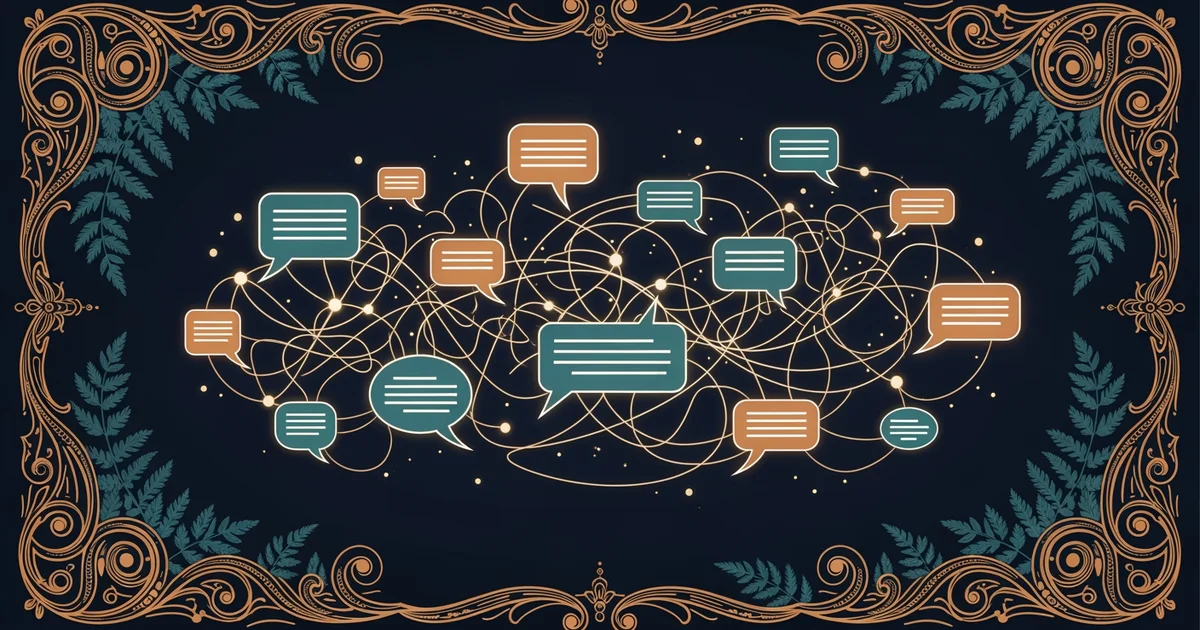
The Mechanics of Linguistic Transitions
When we speak, our brains act like conductors managing a complex musical performance. We constantly scan our environment to determine which language or dialect best fits the current social situation. Code switching occurs when a speaker alternates between two or more languages or language varieties within a single conversation. This process is highly structured and follows internal grammatical rules that prevent us from mixing languages randomly. Think of it like a professional chef who switches between a whisk and a spatula depending on the texture of the sauce. Using the wrong tool makes the task harder, just as using the wrong linguistic code can create confusion or social distance.
Key term: Code switching — the practice of alternating between two or more languages or varieties during a single conversation.
Language experts note that these switches often happen at specific points in a sentence where the grammar of both languages aligns perfectly. This ensures that the flow of meaning remains clear to everyone involved in the dialogue. If you speak two languages, you likely do this without even thinking about the complex mental math required. Your brain evaluates the listener, the setting, and the topic before deciding which linguistic path to take. This rapid calculation allows for efficient communication while signaling your cultural identity to those around you.
Triggers and Social Contexts
Certain factors act as triggers that prompt a speaker to shift their language mid-conversation. These triggers are usually tied to the social goals of the speaker or the presence of specific people. The following list explains the primary reasons why we might choose to change our linguistic output during an interaction:
- Audience adjustment: We often switch languages to include or exclude specific people based on their fluency or shared cultural background.
- Emphasis and emotion: People frequently shift to their native language when they need to express deep feelings or emphasize a critical point.
- Contextual framing: A speaker might switch to a formal variety to signal a change in the professional nature of the discussion.
Beyond these triggers, we also use style shifting to align ourselves with the groups we value most. While code switching involves distinct languages, style shifting is the subtle adjustment of pronunciation or vocabulary within a single language. Both processes rely on our ability to monitor the social climate and adapt our communication style to match the expectations of our peers. This constant monitoring is what allows us to navigate diverse social environments without feeling out of place or misunderstood. By mastering these mechanics, we gain the ability to build stronger connections with people from various backgrounds and life experiences.
| Trigger Type | Primary Goal | Social Effect |
|---|---|---|
| Audience | Inclusivity | Builds rapport |
| Emotional | Intensity | Adds sincerity |
| Contextual | Professional | Sets boundaries |
Understanding these mechanics reveals that language is a flexible resource rather than a rigid set of rules. We use these tools to define our social identity and shape how others perceive our intentions. Whether we are at home, school, or work, our linguistic choices reflect our desire to belong and be understood. This dynamic process continues to evolve as we encounter new people and new social settings throughout our lives.
Code switching functions as a strategic tool that allows speakers to navigate social environments by aligning their language choices with the needs of their audience.
But what does it look like when we change our speech patterns to match the formality of a specific social setting?
Want this with sources you can check?
Premium Learning Paths for Literature & Linguistics are researched against open-access libraries — PubMed, arXiv, government databases, and more — with their distinctive claims cited to real sources and independently checked.
See what Premium includes