
Historical Manuscript Context
Imagine holding a crumbling piece of parchment that was written by hand five centuries ago. You notice the ink is fading into the fibers, and the edges are brittle like dry leaves. This physical reality creates a massive barrier for historians who want to read the words of the past. If we cannot protect the material, the story written upon it will vanish forever into the dust of time. Understanding the physical nature of these documents is the first step toward saving them.
The Fragile Nature of Ancient Media
Most historical documents consist of organic materials that decay when exposed to light, moisture, or heat. Think of these manuscripts like a delicate ice sculpture sitting in a warm room during summer. The environment slowly melts the sculpture until the original shape is lost to the puddle on the floor. Scholars must control the temperature and humidity of storage rooms to prevent this rapid breakdown of fibers. Even the touch of a human finger leaves behind oils that can eat away at the surface over time. This makes the physical handling of original texts a high-stakes task that requires extreme care and specialized tools.
Key term: Paleography — the study of ancient writing systems and the deciphering of historical manuscripts through careful analysis.
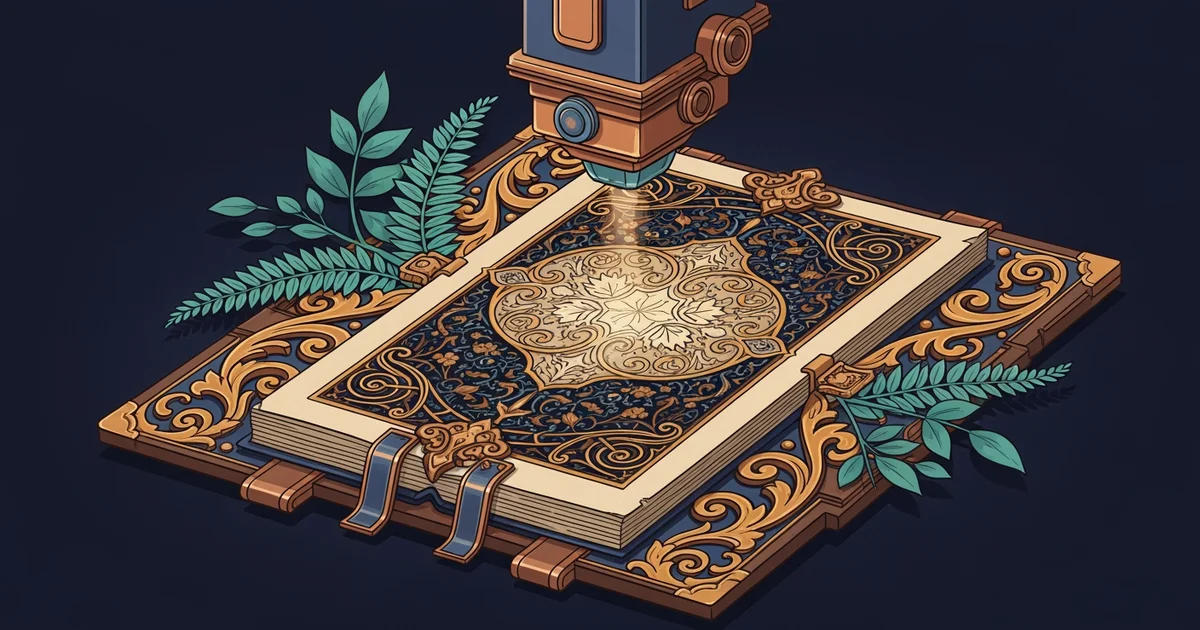
Preservationists often use high-resolution cameras to capture every detail before the document suffers further damage. By taking a digital photo, they store the information in a format that does not need the original paper. This process is similar to backing up your computer files to a cloud server to keep them safe. If the hardware fails or the building burns down, your data remains secure in the digital space. We apply this same logic to old scrolls to ensure that future generations can access the knowledge contained inside them.
Material Challenges in Document Analysis
When researchers examine these texts, they must account for the specific materials used by the original scribe. The choice of ink, quill type, and parchment quality changes how the writing looks after many centuries. Some inks contain acidic elements that slowly burn holes through the page like a slow-moving fire. Other documents use iron-gall ink, which turns brown and creates a deep stain that can obscure the underlying letters. Understanding these chemical interactions helps experts decide how to clean or stabilize the document without causing more harm.
| Material Element | Common Challenge | Preservation Strategy |
|---|---|---|
| Parchment | Moisture damage | Climate control |
| Iron-gall ink | Acidic corrosion | Chemical buffering |
| Paper fibers | Light exposure | Low-light storage |
We can compare the process of analyzing these documents to restoring a vintage car for a museum display. You must identify which parts are original and which parts have rusted away due to years of neglect. A mechanic does not replace the entire engine if they can fix the existing components with gentle care. Similarly, a paleographer does not rewrite the text but instead uses light filters to reveal hidden strokes. This careful approach ensures that the historical truth remains intact while we work to preserve the physical shell.
- Assessment involves checking the current state of the document for tears or fading ink.
- Stabilization requires placing the item in a controlled room to stop further environmental decay.
- Digitization means creating a perfect electronic copy that allows for deep study without touching the original.
- Analysis allows experts to read the text using software that enhances contrast and clarity for the human eye.
These steps ensure that the material challenges do not stop our progress in understanding the past. By combining traditional care with modern technology, we turn fragile objects into lasting sources of human history. Each document acts as a bridge to a time that would otherwise be lost to us. Protecting these items requires patience, skill, and a deep respect for the physical history they carry.
Digital preservation acts as a protective shield that captures the essence of decaying physical artifacts for future study.
The next step involves exploring how we can use software to reveal hidden text on damaged pages.