
Data Privacy Standards
Imagine your personal diary is sitting on a public park bench for anyone to read. You would feel violated because your private thoughts were never meant for the entire world to see. Digital data works exactly like that diary when tech companies collect information without your clear permission. When we train artificial intelligence, we must ensure that personal details do not end up in the training set. Protecting this information is the core challenge of modern digital policy and safety standards.
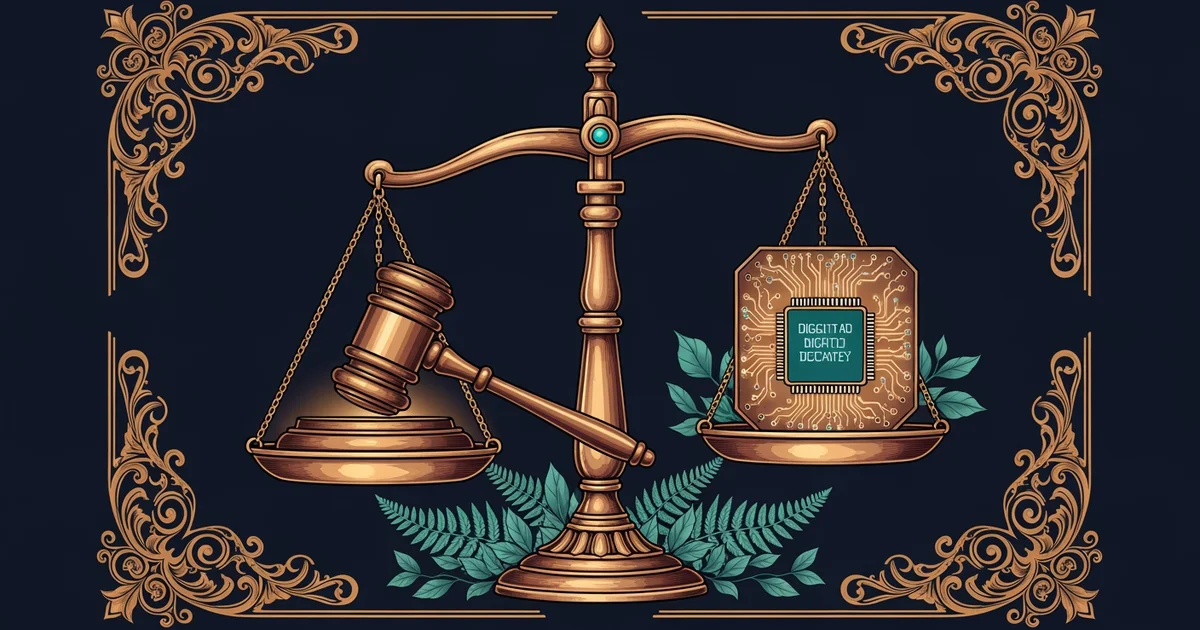
Establishing Data Privacy Standards
Because artificial intelligence models learn by analyzing massive amounts of data, they often scrape personal information from the open internet. This process creates a risk where sensitive details like names, addresses, or health records become part of the model. To prevent this, developers must implement strict Data Privacy Standards that limit what information enters the system. Think of these standards like a filter at a water treatment plant. The plant wants to provide clean water, so it blocks dirt and debris before the water reaches your home. Similarly, privacy standards block private data before it reaches the model training phase. If a company fails to use these filters, they risk exposing users to identity theft or unwanted tracking. Most legal systems now require organizations to prove they scrubbed this data before training begins.
Key term: Data Privacy Standards — the set of rules and technical requirements that govern how personal information is collected, stored, and used in digital systems.
When companies build these systems, they often follow specific protocols to ensure safety and compliance. These protocols help maintain public trust while still allowing for technological growth and innovation. Without these rules, the digital landscape would feel like a lawless frontier where no one owns their own identity. We must ensure that every piece of information used for training is either anonymous or collected with explicit consent. This approach protects individual rights while allowing the artificial intelligence to learn from high-quality public sources. Developers who ignore these standards face heavy fines and damage to their professional reputation in the industry.
Mechanisms for Protecting User Information
Building a secure system requires more than just good intentions, as it demands specific technical actions to protect privacy. Developers use several methods to ensure that personal data remains hidden during the training cycle. These methods create a barrier between the raw data and the final model that users interact with daily. The following list explains the primary techniques used to maintain privacy during the development phase of artificial intelligence:
- Data Anonymization removes or modifies identifying details like social security numbers so that the remaining information cannot be traced back to a specific person.
- Differential Privacy adds small amounts of random noise to the dataset, which prevents the model from memorizing specific individual records while still learning general patterns.
- Consent Management ensures that the data owners have signed a clear agreement allowing their information to be used for research or model training purposes.
These techniques are not just suggestions, as they represent the industry standard for responsible software development across most global jurisdictions. By applying these methods, organizations can balance the need for large datasets with the fundamental human right to privacy. As we continue to refine these tools, the gap between useful intelligence and personal safety will shrink significantly. This progress keeps the digital world functioning in a way that respects the boundaries of every individual user. Maintaining these standards remains a top priority for lawmakers who want to keep technology safe for everyone.
Data privacy standards act as a protective filter that ensures personal information is removed or masked before it can be used to train artificial intelligence systems.
The next Station introduces Intellectual Property Rights, which determines how ownership claims affect the data used in these models. This content is educational only and does not constitute legal advice. Laws vary by jurisdiction. Consult a qualified legal professional for advice specific to your situation.