
Origins of Consumer Protection
Imagine buying a loaf of bread that is actually made of sawdust and chalk. You pay your hard-earned money for a product that fails to provide any real nutrition or value. This scenario highlights why rules for marketplace fairness became necessary for modern society. Without these protections, the power dynamic between the seller and the buyer remains dangerously unbalanced.
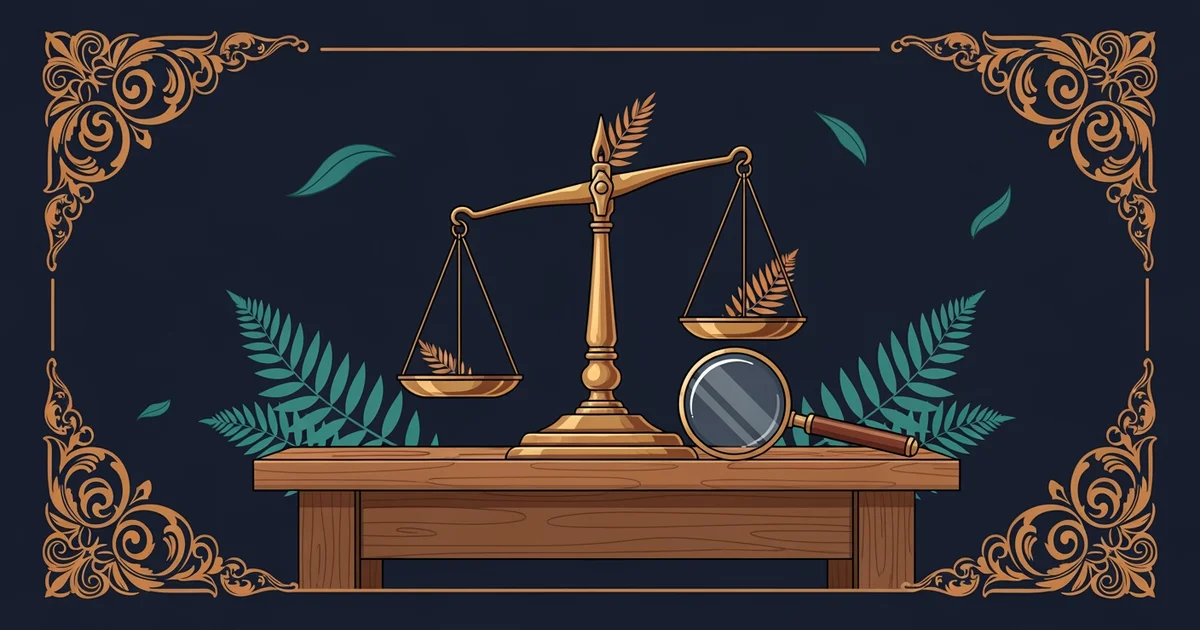
The Historical Need for Market Protection
In early trading eras, buyers often faced extreme risks when purchasing goods from unknown merchants. Sellers held almost all the information regarding the quality and origin of their products. This imbalance created a system where fraud could thrive without any legal consequences for the dishonest party. The concept of caveat emptor, or buyer beware, defined the relationship between traders and their customers for many years. This principle forced the buyer to accept full responsibility for any defects found after the transaction occurred. It assumed that both sides had equal knowledge, which was rarely true in a bustling local market. Over time, societies realized that this environment discouraged honest trade and harmed the overall economy.
Key term: Caveat emptor — a legal doctrine placing the burden of product quality verification entirely upon the buyer.
As trade routes expanded and markets became more complex, the need for formal rules grew rapidly. Buyers could no longer inspect every item for hidden flaws before completing their purchase. This shift required a new approach where the burden of proof moved toward the seller. If a merchant sold faulty goods, the law started to provide a way for the buyer to seek a remedy. This evolution reflects a transition from individual survival to collective responsibility within a community. By ensuring that goods met basic standards, authorities could foster trust among citizens and encourage more frequent trade. Trust acts like the grease in a machine, allowing the gears of commerce to turn smoothly and efficiently.
Establishing Fairness in Modern Trade
When we look at the development of these protections, we see a clear pattern of growth. Early regulations focused on basic necessities like food safety and accurate weights for measuring grain. As technology advanced, the scope of these laws expanded to cover complex services and digital goods. We now expect that a product will perform the specific function it claims to provide. This expectation forms the bedrock of our current legal understanding regarding consumer rights and corporate duties. Every transaction today relies on the assumption that the seller is being truthful about their offerings.
| Era | Primary Focus | Regulatory Goal |
|---|---|---|
| Early | Weights/Measures | Prevent cheating |
| Industrial | Safety/Quality | Reduce physical harm |
| Modern | Information/Privacy | Ensure transparency |
These shifts show how the definition of a fair deal has changed over several centuries. We have moved from simple physical inspections to complex digital protections regarding data and personal privacy. Understanding this history helps us appreciate the legal frameworks that exist to protect our interests today. The following list outlines the three main stages of this historical development process:
- The initial stage prioritized accurate measurement tools to ensure that buyers received the exact amount promised by sellers.
- The second stage introduced safety standards to protect consumers from dangerous products that caused injury during normal daily use.
- The third stage emphasizes clear information disclosure so that buyers can make informed decisions before they spend their money.
By studying these stages, you will gain a complete understanding of how legal systems protect your rights when buying goods or services in our complex global market.
True consumer protection emerged when societies shifted the responsibility for product quality from the vulnerable buyer to the informed seller.
The next part of this journey explores the specific ways buyers and sellers interact within these established legal boundaries.
This content is educational only and does not constitute legal advice. Laws vary by jurisdiction. Consult a qualified legal professional for advice specific to your situation.