
Tool Development
Imagine trying to cut through thick animal hide using only your bare fingernails or teeth. You would quickly find that human survival depends on our ability to extend our natural physical reach. Early humans faced this exact problem while moving into colder climates where thick furs and tough hides were essential for warmth. Without sharp edges, they could not process these materials into clothing or shelters effectively. The development of specialized stone tools acted as an external upgrade to our biological limitations, much like how a modern power drill allows a person to complete a task that would be impossible by hand alone. By mastering the mechanics of stone fracture, these ancestors unlocked a new level of resource management that allowed them to thrive in harsh, freezing environments.
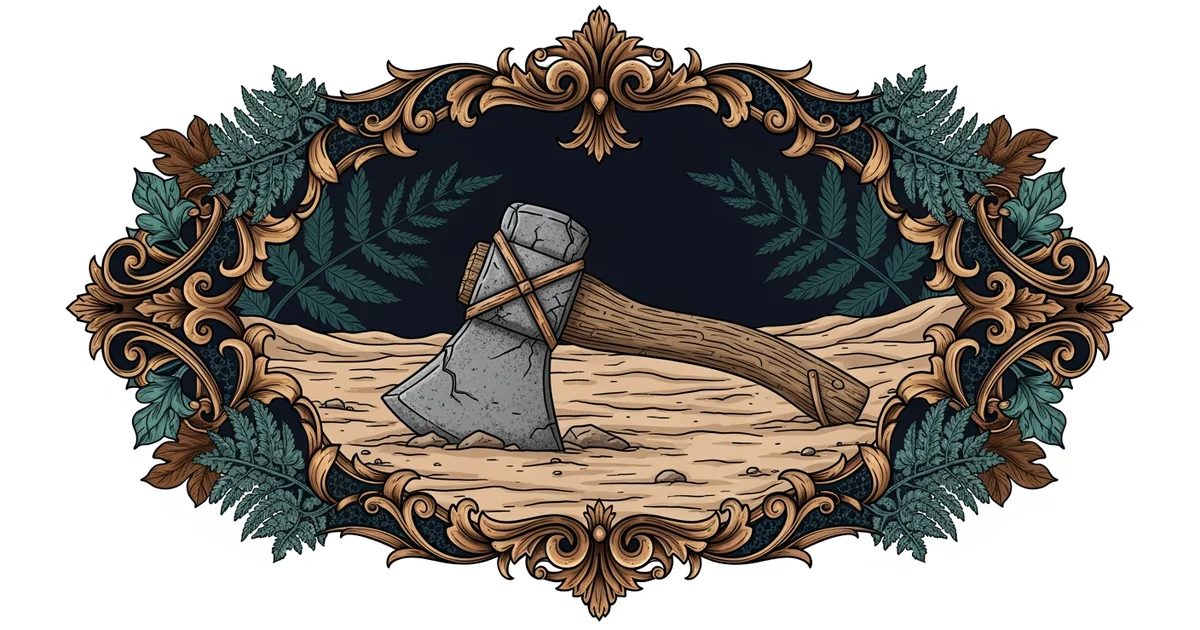
The Mechanics of Stone Flaking
To create effective tools, early humans learned to manipulate the physical properties of specific rocks. They discovered that certain stones, such as flint or obsidian, fractured in predictable patterns when struck with precise force. This process, known as knapping, involves selecting a core stone and striking it with a hammerstone to remove sharp flakes. These flakes served as immediate blades for skinning animals or cutting through tough plant fibers. As they refined their technique, they moved from simple, jagged rocks to intentionally shaped implements with consistent edges. This shift from opportunistic tool use to deliberate design represents a major leap in cognitive development and survival strategy.
Key term: Knapping — the process of shaping stone tools by striking a core with a hammerstone to create sharp, functional edges.
Once they mastered basic flaking, they began to categorize their toolkit based on the specific needs of their environment. They needed different tools for different tasks to maintain efficiency while hunting or processing food. This specialization allowed groups to divide labor and improve the quality of their gear over time. The following table illustrates how these early toolkits were organized to meet the demands of survival in cold regions:
| Tool Type | Primary Material | Main Function | Survival Benefit |
|---|---|---|---|
| Hand Axe | Hard Stone | Heavy chopping | Breaking thick bones |
| Scraper | Flaked Flint | Cleaning hides | Creating warm clothing |
| Burin | Sharp Stone | Carving bone | Making needles or tools |
Adapting Tools for Cold Climates
As humans pushed into colder territories, the need for specialized gear became a matter of life or death. Simple blades were no longer enough to handle the thick, frozen hides of large arctic mammals. They developed the scraper, a tool specifically designed to remove fat and tissue from animal skins. By cleaning these hides thoroughly, they could cure the leather and sew it into durable, insulating layers. This technological advancement provided the thermal protection necessary to survive nights where temperatures plummeted well below freezing. Without these refined instruments, the human population would have been restricted to warmer, southern zones.
Beyond clothing, tools also allowed for the creation of weapons that kept hunters at a safer distance. Spears tipped with sharpened stone points meant that humans could target large prey without risking direct physical contact. This increased the success rate of hunts, providing the high-calorie fats required to fuel the body during winter months. When you consider that a hunter must balance the energy spent on a kill against the energy gained from the meat, the efficiency of a sharp, reliable spearhead becomes clear. It is an economic calculation where the tool acts as an investment, paying off in both nutrition and safety. These technological improvements created a feedback loop where better tools led to better nutrition, which in turn supported the energy needed for further innovation.
Technological development allowed early humans to overcome biological limitations by transforming raw stone into specialized tools that enabled survival in extreme environments.
But what does it look like in practice when these tools are used to process specific food sources during the coldest months of the year?
Want this with sources you can check?
Premium Learning Paths for History & Archaeology are researched against open-access libraries — PubMed, arXiv, government databases, and more — with their distinctive claims cited to real sources and independently checked.
See what Premium includes