
Future of Human-Robot Tasks
Imagine a robot attempting to fold a fitted sheet while guests wait in the living room. This common household chore highlights the massive gap between human dexterity and current machine capabilities. Most robots struggle because they lack the subtle, fluid touch required for soft, unpredictable materials. While industrial arms excel at repetitive tasks, they fail when faced with the chaotic nature of daily life. We must look at how future engineering will bridge this divide to create machines that truly function alongside us.
The Evolution of Robotic Dexterity
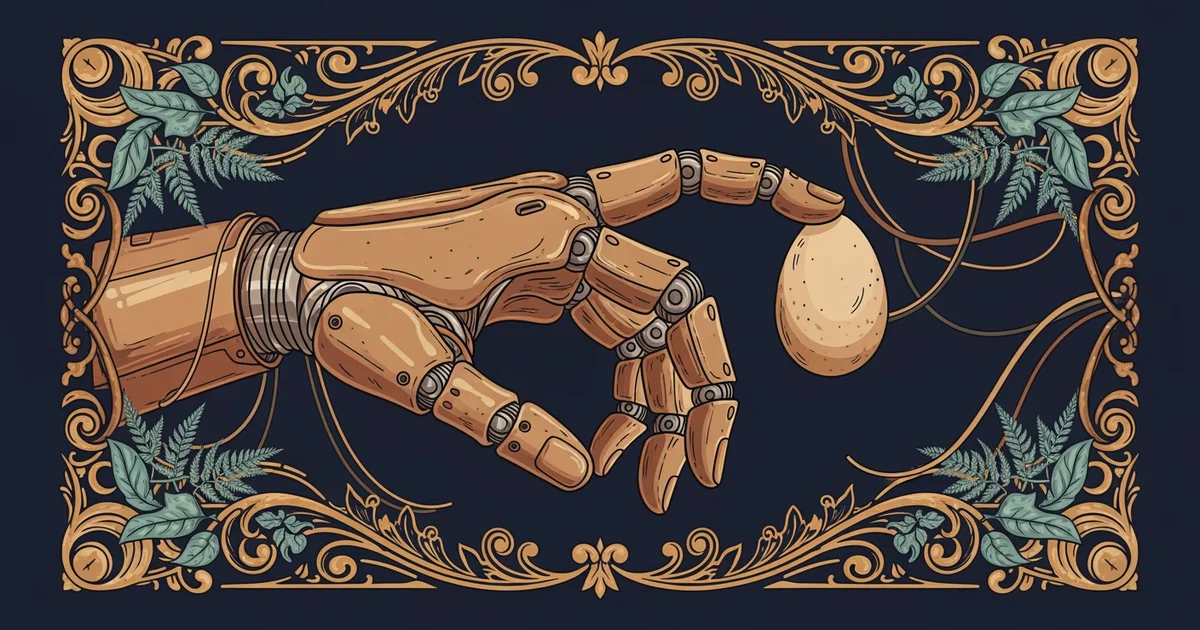
Future advancements in engineering focus on moving beyond rigid, pre-programmed paths to embrace fluid motion. Current systems rely on stiff actuators that prioritize speed over the delicate touch humans use naturally. Engineers are now developing soft robotics that mimic biological muscle structures to provide better control. Think of this transition like upgrading from a rigid, wooden puppet to a living gymnast with flexible joints. This shift allows robots to adjust their grip dynamically when handling fragile objects like eggs or soft fabric. By integrating advanced materials, machines will soon adapt their physical shape to match the specific needs of a task. This flexibility is essential for robots to move from controlled factory floors into the unpredictable spaces of our homes.
Key term: Soft robotics — an engineering field focused on building robots from compliant materials to mimic the flexibility of living organisms.
We can compare the current developmental trajectory of robotic hardware through three key areas of innovation:
- Proprioceptive sensors provide constant feedback about limb position, allowing the robot to feel its own body in space without relying solely on external cameras.
- Compliance mechanisms enable physical joints to yield under pressure, preventing damage to the robot or the environment during unexpected physical contact.
- Distributed intelligence allows local limb sensors to make micro-adjustments in real-time, removing the delay caused by waiting for the central processor to react.
Integrating Intelligence with Physical Action
Beyond hardware, the future of robotics depends on how well machines process complex sensory data during physical interaction. Robots currently struggle because they treat movement and perception as two separate, sequential steps rather than one unified process. Future systems will utilize integrated feedback loops where the act of touching an object informs the next movement immediately. Imagine a chef who does not look at the knife but feels the resistance of the food to guide the cut. This level of sensory integration requires massive improvements in how robots interpret tactile signals alongside visual input. As these systems improve, robots will stop seeing the world as a static map and start feeling it as a dynamic environment.
| Feature | Current Capability | Future Goal |
|---|---|---|
| Grip | Rigid, high pressure | Adaptive, soft touch |
| Sensing | External cameras | Integrated tactile feedback |
| Control | Centralized logic | Decentralized, local reflexes |
This table illustrates the shift from rigid, centralized control to flexible, responsive systems that mirror human biological processes. Decentralized control is vital because it reduces the latency that causes robots to stutter during complex movements. When a robot can react to a slip or a shift in weight at the joint level, it gains the stability needed for human-like tasks. This architectural change represents the most significant hurdle in moving robots from specialized tools to general-purpose helpers. As we refine these systems, the line between machine efficiency and human grace will become increasingly thin.
Future robotic development relies on combining soft, flexible hardware with decentralized sensory processing to achieve fluid interaction with unpredictable human environments.
The next phase of this learning path explores how machine learning algorithms will eventually allow robots to learn these complex physical tasks by watching human demonstration.