
The Moravec Paradox Explained
Imagine a robot that can solve complex calculus in a heartbeat but trips over a simple rug. You might expect a machine capable of advanced logic to handle basic physical movement with ease. This strange gap between mental power and physical grace is a defining puzzle in modern robotics. Engineers often find that high-level thinking is easy for computers, while basic survival skills are incredibly difficult.
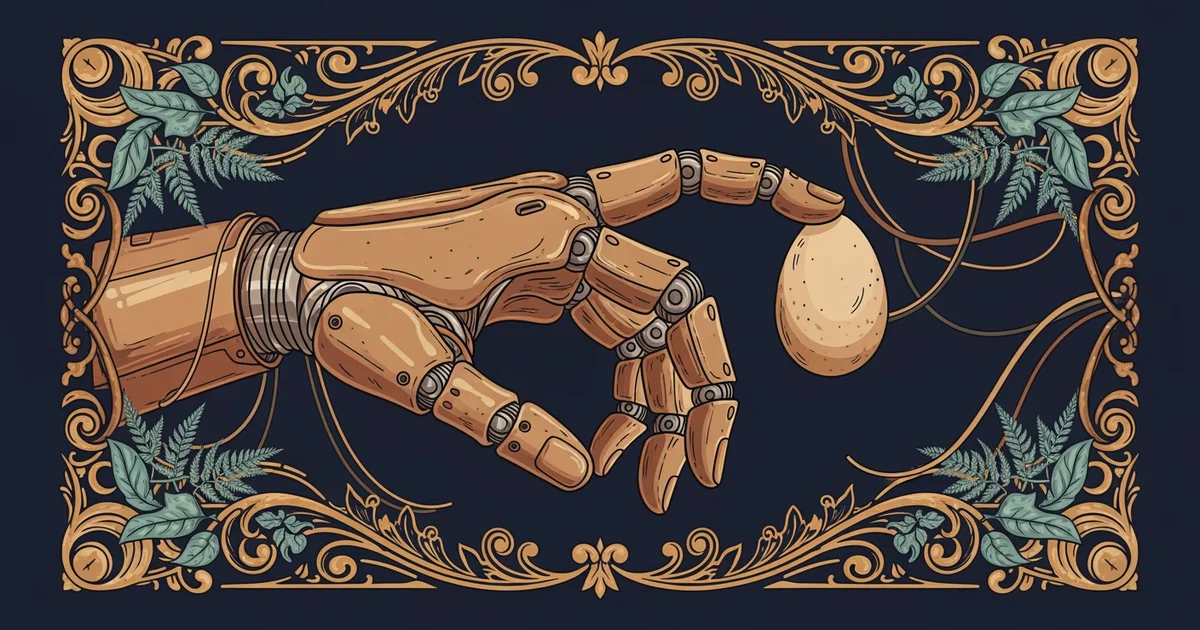
The Logic of Movement
Computers excel at tasks that require rigid rules and structured data, such as calculating large numbers. These machines follow clear instructions to complete complex logic puzzles or organize massive databases of information. We often assume that if a computer can perform difficult math, it must also possess common sense. However, the physical world does not follow the clean, predictable logic of a digital spreadsheet. Walking across a cluttered room requires constant, split-second adjustments to balance, gravity, and changing terrain. A robot must perceive its environment, predict where its feet should land, and correct its posture in real time. This process demands a level of sensory integration that even the most powerful supercomputers struggle to replicate effectively today.
Key term: Moravec Paradox — the discovery that high-level reasoning requires very little computation while low-level sensory-motor skills require massive resources.
To understand this, think of a professional architect who designs a skyscraper but cannot build it alone. The architect provides the complex, abstract blueprints that define the structure of the massive building. However, the physical labor of laying bricks, pouring concrete, and managing materials requires a different set of skills. The brain functions similarly, as it offloads basic movement to deep, ancient systems. We perform these physical tasks without conscious thought, making them seem simple to us. In reality, our brains are performing trillions of calculations to keep us upright and moving through space.
Why Hardware Struggles
When we ask machines to perform human movements, we encounter significant hurdles in processing data. The following list outlines the primary challenges that prevent robots from moving like humans:
- Dynamic Equilibrium: Maintaining balance while moving requires the robot to handle shifting weight and unpredictable forces in real time.
- Sensory Fusion: Processing visual, tactile, and spatial data simultaneously is necessary to create a coherent map of the physical world.
- Adaptive Learning: Robots must learn to adjust their movements when they encounter new obstacles that were not in their original code.
These challenges highlight the difference between a static environment and the messy, unpredictable nature of our reality. While a computer can easily access a static database, it cannot easily interpret the subtle cues of a shifting floor. The following table compares how machines and humans approach these distinct types of tasks.
| Task Type | Computer Approach | Human Approach |
|---|---|---|
| Math Logic | High efficiency | Slow and error-prone |
| Motor Skills | Extremely difficult | Intuitive and fast |
| Pattern Recognition | Rules-based search | Sensory experience |
This comparison shows that our evolutionary history has optimized us for survival through physical movement. We spent millions of years refining the ability to hunt, gather, and navigate dangerous landscapes. Computers, by contrast, were built for the abstract world of logic and data. When we force them into our physical domain, they lack the millions of years of biological refinement that we possess. They are essentially brilliant mathematicians trying to learn how to dance without ever having felt the rhythm of the music. This path will give you a complete understanding of how robotics engineers are bridging this gap between cold logic and physical grace.
The Moravec Paradox reveals that the tasks humans find easiest are the most complex for machines because they require massive, subconscious sensory processing.
Next, we will explore how robots process sensory data to navigate the world around them.