
Hydraulic Infrastructure Basics
Imagine turning a faucet handle and watching water flow instantly into your waiting glass. This simple daily action relies on a vast, hidden network of pipes, pumps, and valves. Without these engineered systems, clean water would never reach our homes or businesses reliably. We must understand how these components work together to sustain modern life and public health. This station explores the essential parts that make up our complex municipal water delivery systems.
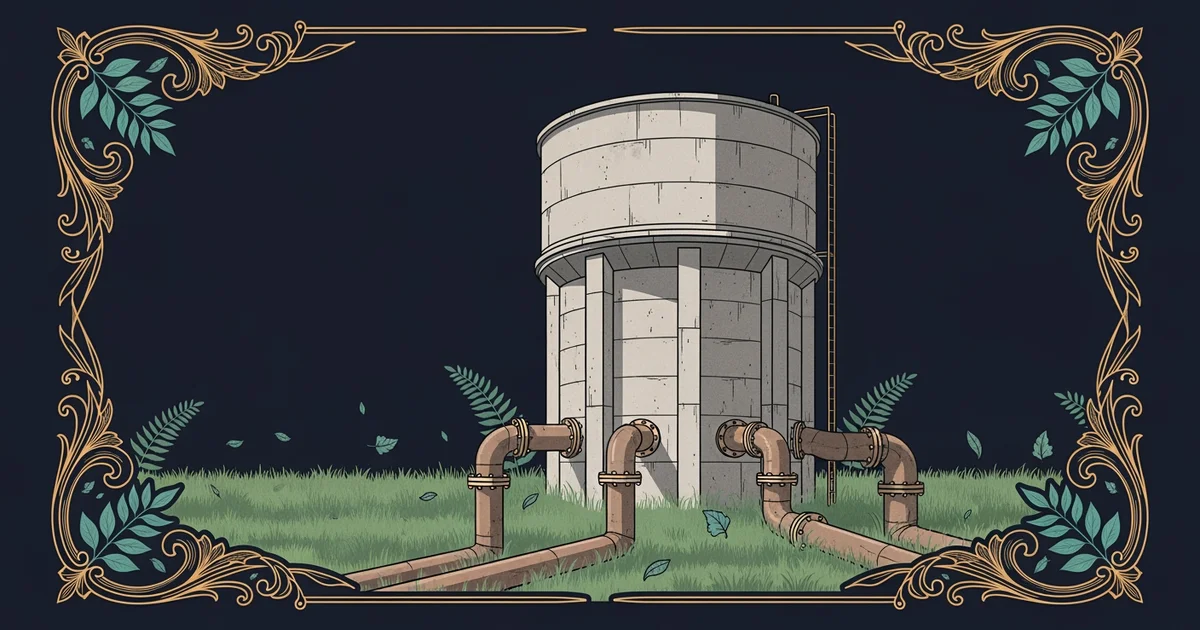
Core Components of Water Networks
The primary backbone of any water system is the distribution network, which acts like the veins in your body. These pipes transport water from treatment plants to every building in a city through pressurized lines. Think of this network like a giant delivery service where the trucks never stop moving. If a pipe breaks, the pressure drops and water stops flowing, much like a traffic jam blocking a delivery route. Engineers design these networks to maintain constant pressure so that water reaches the highest floors of tall buildings. They use various materials like iron, steel, or plastic to ensure the water stays clean during its journey.
Key term: Distribution network — the interconnected system of pipes and pumps that delivers treated water to individual homes and businesses.
Beyond the pipes, we need mechanical devices to control the flow and maintain safety within the system. Valves function as the gatekeepers of the network, allowing workers to isolate specific sections for repairs. By turning a valve, a technician can stop the water in one neighborhood without affecting the entire city. This prevents massive outages during routine maintenance or emergency pipe bursts. We also use pumps to push water uphill or across long distances where gravity cannot do the work alone. Without these mechanical helpers, water would simply pool at the lowest point of the landscape.
Modern water systems rely on three primary mechanisms to ensure that the water remains safe and accessible for everyone:
- Storage reservoirs hold large volumes of water to ensure a steady supply during periods of high demand, such as early morning. These tanks provide a buffer that prevents the system from running dry when many people use water at once.
- Pressure regulators monitor the force of the water flowing through the pipes to prevent damage from surges. If the pressure becomes too high, these devices automatically bleed off excess force to protect the integrity of the plumbing infrastructure.
- Monitoring sensors track the chemical quality and flow rates in real-time to alert operators of potential leaks. These digital tools allow engineers to fix problems before they become visible disasters that waste precious resources and money.
| Component | Primary Function | Location in System |
|---|---|---|
| Reservoir | Storage supply | High elevation |
| Pump | Force movement | Booster stations |
| Valve | Flow control | Pipe junctions |
Engineers must balance these components to ensure the entire system functions as one cohesive unit. A well-designed network anticipates changes in weather, population growth, and daily usage patterns throughout the year. By studying these basic elements, you gain insight into the massive effort required to keep our taps running. This path will provide you with the fundamental knowledge needed to understand how we engineer systems to move, clean, and conserve the world's most precious liquid resource.
Modern water infrastructure relies on a coordinated network of pressurized pipes, control valves, and storage reservoirs to deliver safe water on demand.
By understanding these mechanical foundations, we can now move forward to explore the natural water cycles that replenish our global supply.