
Retrofitting Existing Structures
When the Empire State Building underwent a massive energy overhaul in 2009, engineers faced the challenge of updating a historic icon without destroying its original character. This project serves as a perfect example of how we must adapt aging infrastructure to meet the climate goals established in Station 1 of our learning path.
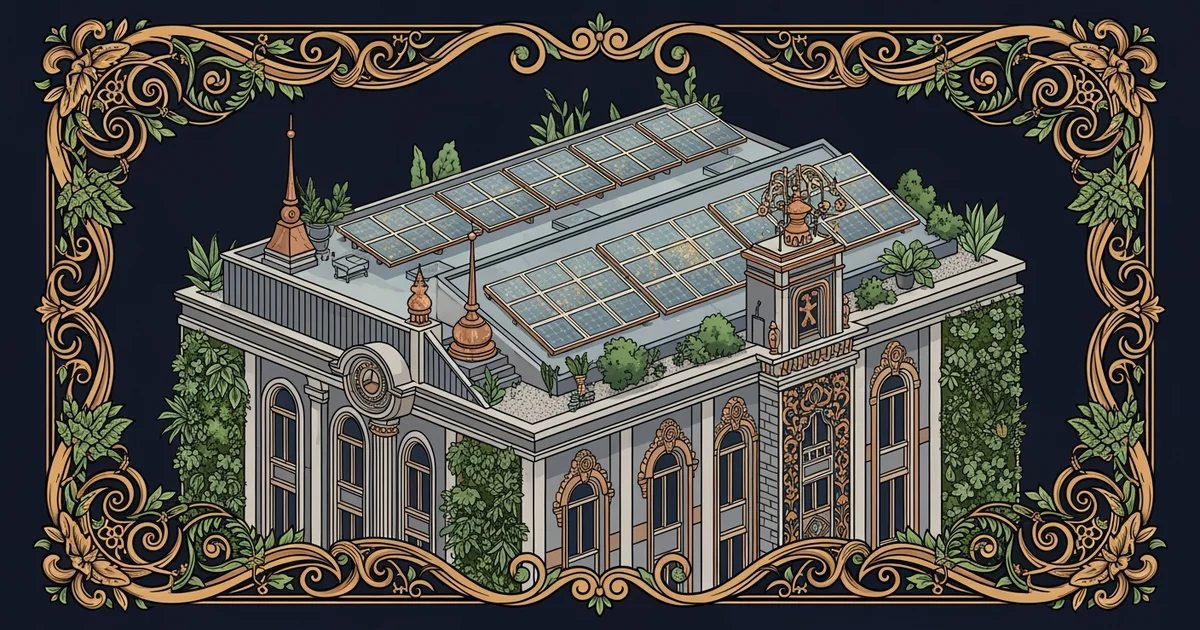
Optimizing Building Performance Through Retrofitting
Retrofitting involves the addition of new technology or features to older systems that were not available during the original construction phase. Just as you might add a modern fuel injection system to a vintage car to improve its gas mileage, retrofitting updates a structure to consume less energy while increasing occupant comfort. This process often focuses on the building envelope, which acts like the skin of the structure. By sealing cracks and upgrading insulation, engineers prevent the loss of conditioned air to the outside environment. This step is crucial because heating and cooling account for the largest share of energy use in most buildings. When we improve the envelope, we reduce the total load on mechanical systems. This allows smaller, more efficient equipment to maintain a stable indoor temperature throughout the changing seasons.
Key term: Retrofitting — the systematic process of modifying existing buildings to improve their energy efficiency and operational performance over time.
Modernizing the internal systems requires a careful assessment of how a building currently consumes its power. Engineers often start by performing a full energy audit to identify where waste occurs most frequently. This data-driven approach ensures that investments go toward the most impactful upgrades rather than cosmetic changes. For example, replacing old windows with high-performance glass can drastically lower heat transfer, but only if the wall insulation is also sufficient. A holistic strategy addresses these components together to ensure the entire system functions as one unit. If we ignore one part of the building, the remaining inefficiencies will continue to drain resources and increase operating costs over the life of the structure.
Strategic Upgrades for Modern Efficiency Standards
Once the audit is complete, engineers must prioritize specific areas that offer the highest return on investment for the owner and the environment. The following list highlights the primary focus areas for most building retrofits:
- Lighting systems replace outdated fluorescent bulbs with efficient light-emitting diodes that use less power while providing better illumination for occupants.
- Smart sensors monitor room occupancy to adjust heating and cooling levels automatically, ensuring energy is not wasted on empty spaces.
- Mechanical ventilation recovers heat from outgoing exhaust air to warm fresh incoming air, which reduces the demand on primary heating units.
By implementing these changes, managers can significantly lower the carbon footprint of older properties. This approach is not just about saving money on monthly utility bills, but about extending the useful life of existing materials. Demolishing a building creates massive amounts of waste and requires new raw materials, which carries a high environmental cost. Retrofitting allows us to keep the structure standing while bringing its performance up to modern standards. This balance between preservation and innovation is the core of sustainable construction practice. It ensures that our built environment remains functional for future generations without requiring constant new development on undeveloped land.
| Retrofit Area | Primary Benefit | Typical Impact |
|---|---|---|
| Building Envelope | Reduced Heat Loss | High |
| Lighting Systems | Lower Electricity | Medium |
| Control Sensors | Occupancy Savings | Medium |
| HVAC Systems | Better Efficiency | High |
This table illustrates how different upgrades contribute to overall building health. Each category targets a specific way that energy leaves or enters the building. By combining these efforts, we create a robust framework that supports long-term sustainability goals. The goal is to make the building work smarter, not just harder, to provide a safe and comfortable space for all users. We must continue to refine these methods to keep pace with evolving technology and climate needs.
Upgrading existing structures through targeted retrofits allows us to maximize resource efficiency while preserving the value of our historical urban landscape.
But this model faces significant financial and logistical hurdles when applied to buildings with complex structural constraints or strict historical preservation laws.