
Renewable Energy Integration
Powering a modern building requires more than just connecting wires to the local electrical grid. Imagine trying to fill a large water tank using only a small garden hose while your entire neighborhood demands water at the same time. This struggle highlights why we must integrate renewable energy sources directly into our structural designs to meet rising demand. By planning for energy production during the design phase, we create buildings that act like active power plants rather than passive energy consumers.
Designing for Solar Capture
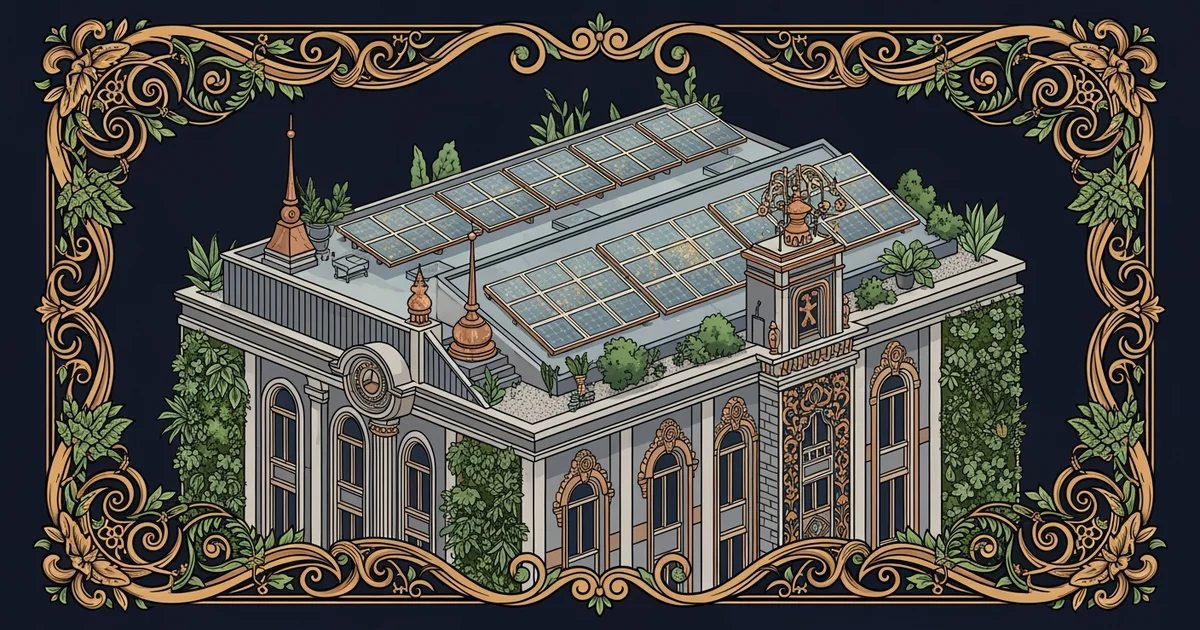
When architects design new structures, they must prioritize the orientation of surfaces to capture maximum sunlight throughout the year. Solar panels function like leaves on a tree, which must spread out to absorb the most light for photosynthesis. If a building faces the wrong direction, the efficiency of these panels drops significantly because the sun hits them at poor angles. Engineers calculate the specific path of the sun across the site to determine the ideal roof pitch and placement for these systems. By optimizing these angles early, we ensure the building generates enough electricity to offset its daily operational costs effectively.
Key term: Photovoltaic integration — the process of embedding solar energy capture components directly into the structural skin of a building to generate power.
Effective energy management depends on how well these panels connect to the building's internal electrical systems. Most modern designs use a smart inverter to convert the raw energy from the panels into usable current. This process ensures that the building can switch between grid power and stored solar power without any noticeable flicker. When the sun shines brightly, the system prioritizes solar energy to charge batteries or power lights. If the sky turns cloudy, the system seamlessly pulls from the grid to maintain constant service for the occupants.
Site Assessment and Efficiency
Before construction begins, teams must conduct a thorough site assessment to evaluate the local environment for renewable potential. This involves measuring average wind speeds, annual sunlight hours, and potential shading from nearby trees or other buildings. Just as a gardener checks the soil quality before planting seeds, an engineer must verify the site conditions to ensure the investment pays off. If the site receives limited sunlight, the team might shift focus toward wind turbines or geothermal heat pumps to meet energy goals.
Consider the following factors when you evaluate a site for renewable energy installations:
- Solar irradiance levels determine the total amount of energy that panels can capture over a full calendar year.
- Local wind patterns reveal if small-scale turbines can provide reliable power during the dark winter months.
- Structural load capacity confirms if the existing roof can safely support the heavy weight of solar arrays.
- Utility grid connectivity allows the building to send excess power back to the provider for extra credits.
These variables help designers decide which technology fits the specific needs of the project. A high-rise building in a city center might have limited roof space but excellent wind access at higher elevations. Conversely, a sprawling warehouse in a sunny region benefits most from large-scale solar arrays on its flat roof. By analyzing these site-specific constraints, engineers build structures that work in harmony with the natural environment. This approach reduces the reliance on fossil fuels while improving the long-term sustainability of our urban infrastructure for everyone.
True sustainability requires buildings that harvest local energy resources through smart design rather than relying solely on external power grids.
Now that we understand how to generate energy on-site, how do we manage this flow through smart building systems?