
Urban Heat Island Mitigation
During the summer of 2021, residents in Portland faced record-breaking heat that turned city streets into massive thermal batteries. Asphalt and concrete absorbed solar radiation throughout the day, releasing that heat slowly at night to prevent any natural cooling. This phenomenon, known as the Urban Heat Island effect, creates a cycle where cities remain significantly warmer than surrounding rural areas. When we ignore these heat patterns, our infrastructure fails to protect citizens from rising temperatures and energy spikes. Addressing this requires us to rethink our building surfaces to mimic natural cooling processes found in lush forests.
Designing for Thermal Regulation
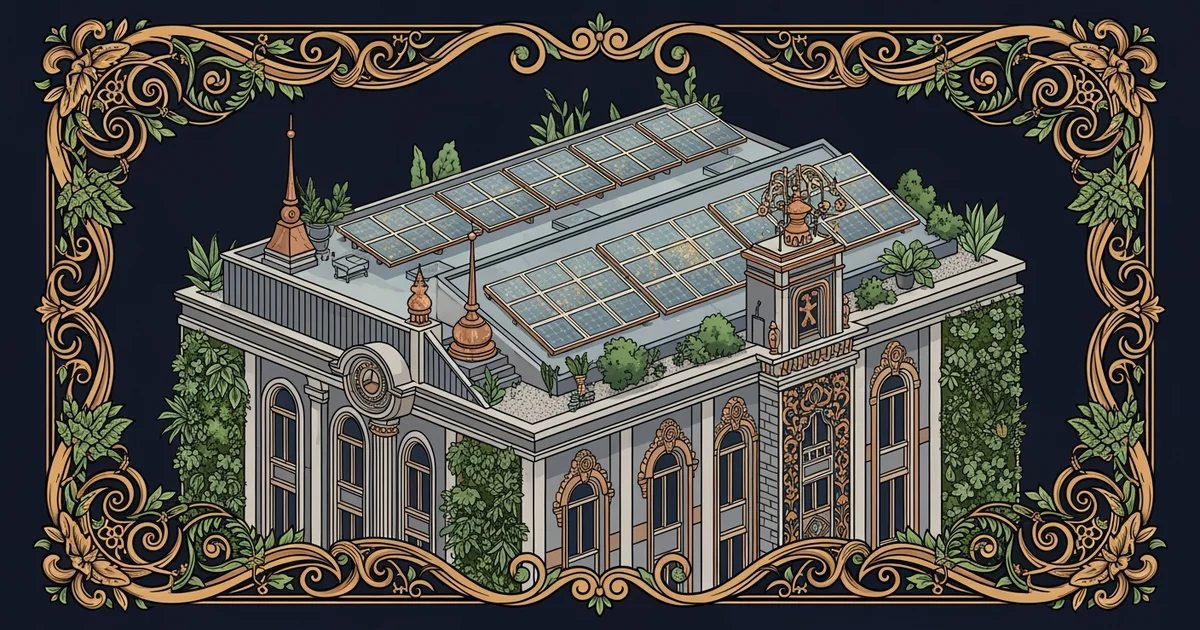
To combat trapped heat, engineers now prioritize the installation of a green roof, which uses living vegetation to provide natural insulation and cooling. Unlike dark tar surfaces that soak up sunlight, plants reflect solar energy and release moisture through a process called evapotranspiration. Think of this like wearing a damp cotton shirt on a hot day, where the moisture absorbs your body heat to keep you cool. By covering rooftops with soil and plants, buildings reduce the total amount of heat absorbed by the structure. This application of biological cooling represents a shift from static, heat-absorbing materials toward dynamic, living building envelopes that breathe.
Key term: Evapotranspiration — the process where plants release water vapor into the air, which cools the surrounding environment through evaporation.
Implementing these systems requires careful planning to ensure the structural load of the building can support the extra weight. Engineers must calculate the saturation point of the growth medium to avoid structural failure during heavy rain events. The following table highlights the cooling efficiency metrics for various common rooftop materials:
| Material Type | Solar Reflectance | Heat Retention | Cooling Potential |
|---|---|---|---|
| Standard Asphalt | Low | Very High | Negligible |
| Reflective Paint | High | Low | Moderate |
| Green Roof | Medium | Very Low | Excellent |
Measuring System Performance
When we evaluate the success of a green roof, we look at the reduction in ambient air temperature near the building surface. Because the plants act as a thermal buffer, the interior of the structure requires less mechanical cooling from air conditioning systems. This saves energy and reduces the total carbon footprint of the urban project. We must also consider the biodiversity benefits, as these rooftops provide essential habitats for pollinators in dense city centers. Integrating these systems requires a balance between aesthetic design and functional thermal performance to meet modern sustainability goals.
- Conduct a site assessment to determine the structural capacity of the existing roof frame.
- Select native plant species that thrive in the local climate without requiring excessive irrigation.
- Install a high-quality drainage layer to prevent moisture buildup and protect the building integrity.
- Monitor the surface temperature fluctuations over one full calendar year to verify thermal gains.
- Adjust the plant density if the cooling results fall below the predicted performance benchmarks.
By following these steps, engineers transform hot, barren rooftops into productive cooling zones that benefit the entire city. This method builds on the smart climate controls discussed in Station 10, moving from internal sensors to external environmental mitigation. We can effectively lower city temperatures by replacing heat-absorbing materials with living layers that actively manage solar radiation. This approach creates a more comfortable environment for all residents while reducing the strain on our aging electrical grids during peak heat waves.
Living roofs mitigate urban heat by replacing heat-absorbing materials with vegetation that cools the air through natural evaporation.
But this model faces significant challenges when applied to historical structures that lack the capacity to support the weight of soil and water.