
Future Trends in Orchestration
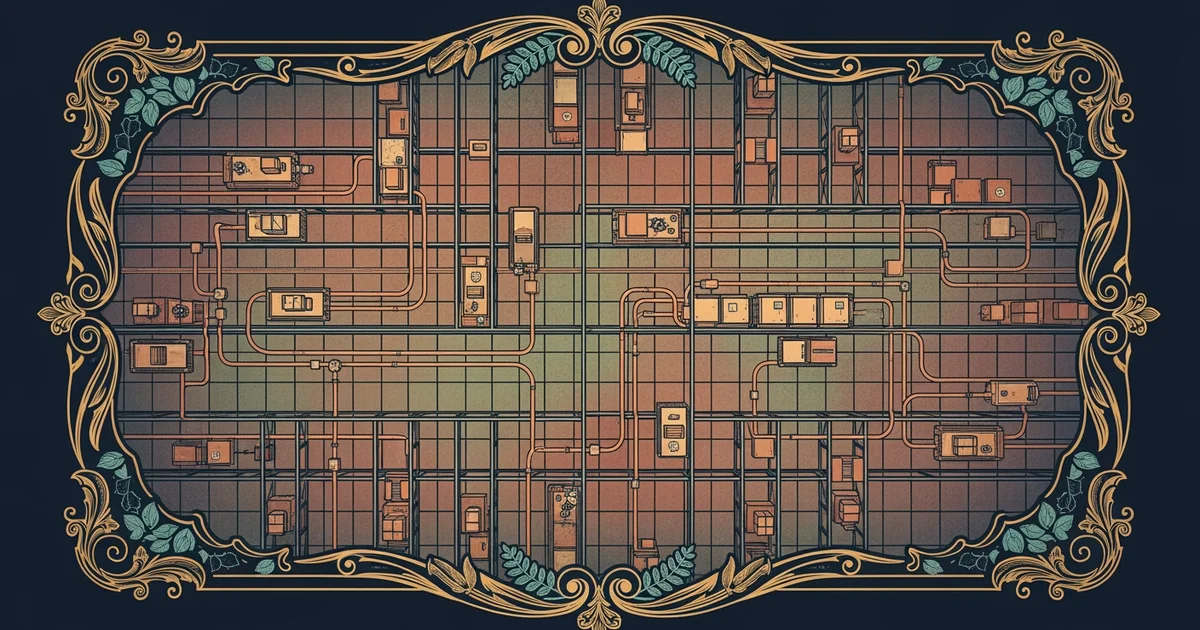
Imagine a massive warehouse where thousands of robots navigate complex paths without ever bumping into each other or stopping. This level of precision requires advanced systems that go beyond simple pre-programmed paths and static safety rules. As we look toward the future, the integration of deep learning will change how these machines interact within shared environments. Current systems often rely on centralized controllers that manage every movement, but this creates a massive bottleneck when the fleet size grows. Future orchestration must shift toward decentralized decision-making where robots share intent rather than just raw location data. This transition mirrors how a modern city manages traffic flow by using smart lights instead of one person controlling every single car. By enabling robots to negotiate their own paths in real-time, we can increase the total throughput of any automated facility significantly.
The Evolution of Fleet Intelligence
To move beyond current limitations, engineers are developing ways for robots to predict the behavior of their peers. This process relies on predictive modeling, which allows a robot to anticipate where another unit will be in a few seconds. Instead of reacting to a collision, the system calculates the most likely path of nearby agents and adjusts its own trajectory proactively. This shift from reactive safety to proactive coordination is essential for scaling fleets to thousands of units. When robots can communicate their planned routes, they create a shared mental map of the workspace that updates constantly. This reduces the need for expensive central servers and allows the network to function even if some connections fail. The goal is to create an ecosystem where the fleet behaves like a single, fluid organism rather than a collection of separate parts.
Key term: Predictive modeling — the use of statistical algorithms to forecast future movements of autonomous agents based on historical data patterns.
Integrating machine learning into fleet management introduces new challenges that we must address to ensure total system reliability. While these models offer great flexibility, they can sometimes behave in ways that are hard for human operators to interpret. We must balance the efficiency of autonomous learning with the strict safety requirements established in earlier phases of our project. By combining traditional rule-based logic with flexible machine learning, we create a hybrid system that is both safe and highly adaptable. This approach ensures that robots follow core safety protocols while using their own intelligence to optimize movement patterns. Such a balance is critical for maintaining consistency in industrial environments where precision is not optional.
Scaling Through Decentralized Coordination
As we consider how to coordinate massive groups, we must look at how decentralized networks handle data distribution. The following table compares traditional centralized control with the emerging decentralized models we expect to see in future robotics:
| Feature | Centralized Control | Decentralized Coordination |
|---|---|---|
| Decision Speed | Slow at high scale | Very fast at high scale |
| System Reliability | Single point of failure | High fault tolerance |
| Data Processing | Heavy central load | Distributed local processing |
| Complexity | Low initial setup | High development effort |
Decentralized systems allow for much faster response times because each robot processes its own sensory input locally. This local processing power means that a robot does not need to wait for a server to approve its next move. As the fleet grows, the system performance remains stable because the workload is shared across every unit. This architecture is the foundation for the next generation of logistics, where thousands of robots operate in tight, shared spaces. By distributing the intelligence, we solve the core issue of how to prevent collisions without creating a system that fails under its own weight. This is the ultimate solution to our foundation question about coordinating massive groups successfully.
Future orchestration will rely on shifting intelligence from central servers to individual robots that communicate and predict the actions of their peers to maximize efficiency.
Now that we understand how fleets will evolve, we can apply these concepts to the final design project to build a robust and scalable system.