
Defining Robot Fleet Orchestration
Understanding Robot Fleet Orchestration
Robot fleet orchestration is the science of managing many autonomous machines at the same time. These systems ensure that individual robots work together to achieve a common, larger goal. Without careful planning, multiple robots would crash into each other in a busy workspace. Orchestration provides the rules that allow machines to share space and resources safely.
Effective orchestration involves constant communication between a central controller and every robot in operation. Each unit reports its current location and task status to the central system constantly. The system then calculates the best paths to prevent any possible collisions or delays. This process happens in milliseconds, allowing for smooth movement across the entire facility floor.
Core Components of Orchestration
To manage a fleet, engineers must balance hardware capabilities with complex software control algorithms. The software acts as a brain that monitors the entire environment for potential issues. It must account for real-time changes, such as a blocked path or a sudden task. This flexibility allows the fleet to remain productive even when unexpected events occur.
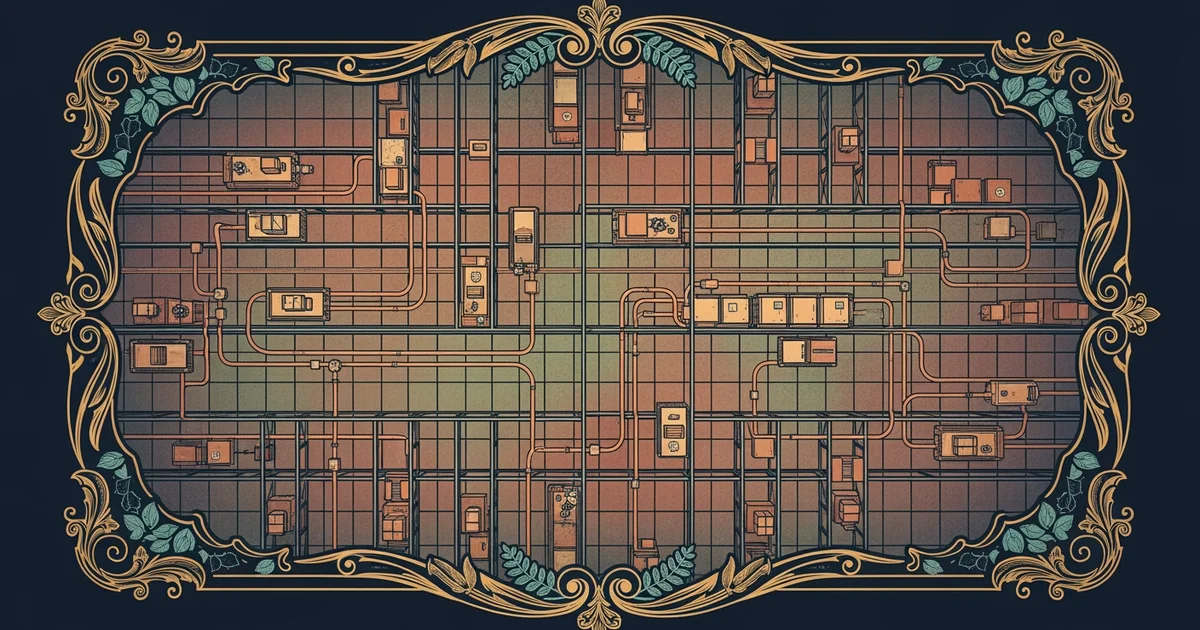
As seen in the diagram above, the central controller acts as the primary hub. It sends instructions to each robot while receiving feedback from the shared environment. This two-way flow of information is essential for maintaining order in any automated system. If one robot fails to report, the system must detect this and adjust accordingly.
The Role of Autonomous Logic
Modern fleets often use decentralized logic to handle simple tasks without constant central input. This approach reduces the load on the main controller and improves overall system speed. When robots can make local decisions, they react faster to immediate obstacles in their path. This combination of central planning and local autonomy creates a robust, efficient robotic system.
Engineers must also consider the physical constraints of the robots within the fleet. A large, heavy robot moves differently than a small, agile drone or rover. Orchestration software must understand these differences to plan safe and efficient movement patterns. By accounting for these physical limits, the system maximizes the output of the entire fleet.
Challenges in Modern Environments
Operating in a dynamic environment presents many challenges for current fleet management software systems. People often move through these workspaces, requiring robots to detect and avoid human workers. Safety is the primary concern when designing any orchestration system for a shared environment. Robots must be programmed to prioritize human safety above all other operational goals.
Another challenge involves managing battery life across a large number of active robotic units. If too many robots head to the charging station at once, operations will stop. Orchestration systems must stagger charging times to ensure that some robots are always active. This requires advanced scheduling algorithms that predict when each unit will need a recharge.
Future Directions for Fleet Control
Artificial intelligence is rapidly changing how we manage and control complex robotic fleet systems. New machine learning models allow systems to learn from past mistakes and improve performance. These intelligent systems can predict traffic patterns and optimize paths before problems even happen. This shift towards predictive orchestration will lead to much higher levels of operational efficiency.
As we look forward, the integration of different robot types will become more common. A single fleet might include mobile platforms, robotic arms, and aerial drones working together. Orchestrating such a diverse group requires highly sophisticated software that can manage different movement types. This evolution will unlock new possibilities for automation in many different global industries.
In conclusion, robot fleet orchestration is a vital field for modern engineering and technology. By mastering these concepts, you can understand how to build safer and more productive systems. The future of automation depends on our ability to coordinate machines with precision and care.