
Urban Design Integration
Imagine you are trying to navigate a crowded sidewalk while carrying a giant, unwieldy cardboard box. You constantly bump into people and struggle to turn corners because your personal footprint is simply too large for the environment. Urban streets often feel just like that crowded sidewalk when we force massive, heavy vehicles into spaces designed for walking or sitting.
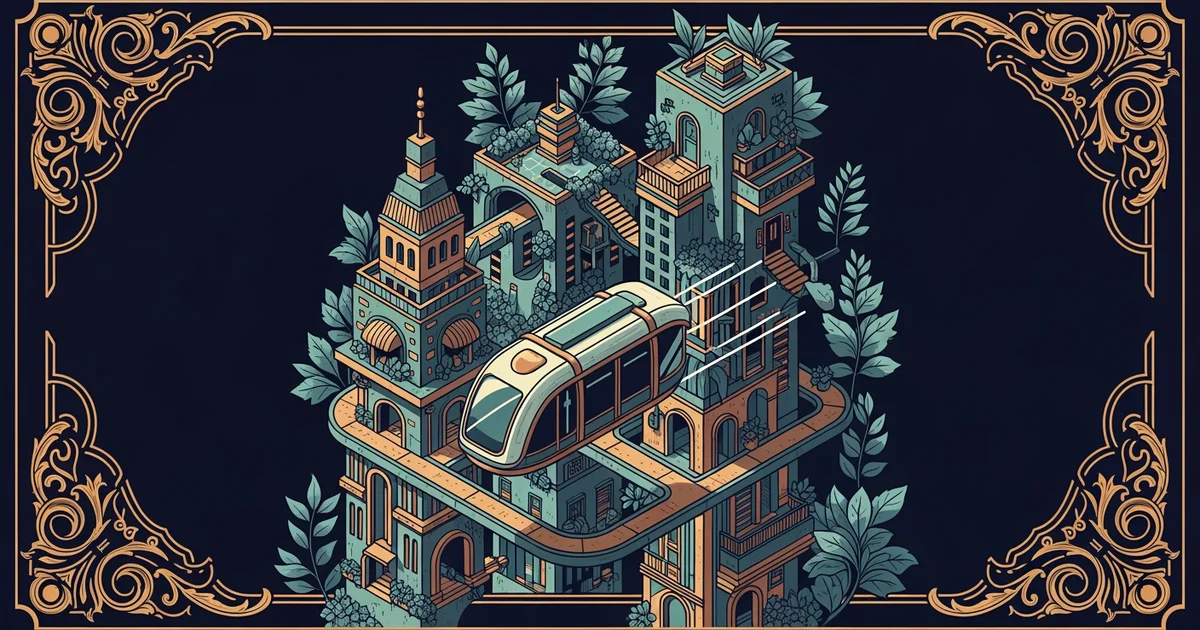
Designing Streets for Modern Mobility
When we rethink city layouts, we must consider how small, agile vehicles fit into existing pathways. Most current roads prioritize heavy cars, but the future of urban travel relies on efficient, compact machines. Designing for these smaller units requires us to move away from wide lanes that encourage high speeds. Instead, we should create protected corridors that allow these devices to move safely alongside bicycles and pedestrians. Think of this like a busy restaurant kitchen where every chef has a specific, small station to work in efficiently. If every chef had to use a massive industrial oven, the kitchen would stop functioning because nobody could move around. By shrinking our vehicle footprints, we free up valuable space for parks, wider sidewalks, and better public gathering areas.
Key term: Urban integration — the process of designing city infrastructure to support new types of personal transport without disrupting existing human activity.
Integrating these technologies requires a shift in how we view the curb. Traditionally, the curb serves as a simple barrier between the road and the sidewalk, but that is changing fast. We now need flexible zones that allow for quick drop-offs and charging stations for small electric devices. These zones prevent clutter on sidewalks while keeping traffic flowing smoothly. When we build these features into the sidewalk design, we reduce the chance of accidents between fast-moving tech and slow-moving pedestrians. Effective urban design treats the street as a living system rather than just a concrete path for heavy metal machines.
Infrastructure Requirements for New Tech
To support these new transportation modes, cities must adopt specific physical changes to their layout. These changes help manage the flow of traffic while ensuring that everyone stays safe during their daily commute. The following elements represent the most critical infrastructure needs for modern urban environments:
- Dedicated transit lanes ensure that small, electric devices have a clear path that is separate from heavy automotive traffic, which prevents dangerous collisions and speeds up travel times for everyone involved.
- Smart charging hubs provide essential power for personal transport devices, allowing users to recharge their batteries during short stops rather than waiting until they return to their private homes.
- Dynamic signal systems use sensors to detect approaching devices, adjusting traffic lights to prioritize flow and reduce the time that commuters spend waiting at busy city intersections.
| Feature | Primary Purpose | Benefit to User |
|---|---|---|
| Protected Lanes | Safety separation | Reduced stress |
| Charging Hubs | Energy access | Longer range |
| Smart Signals | Traffic flow | Faster arrival |
These infrastructure pieces work together to create a seamless experience for the city dweller. If we ignore these needs, the devices will simply become obstacles rather than solutions for our mobility problems. A well-designed city layout encourages the use of these tools by making them the most convenient option available. By balancing the needs of the vehicle with the needs of the human, we create a space that feels natural and welcoming. We are moving toward a future where our streets adapt to the tools we use to navigate them. This evolution of urban space is the foundation for all future transportation technology. If our streets remain static, our technology will never reach its full potential for improving our daily lives.
Successful urban design integrates small-scale transportation technology by adapting city infrastructure to prioritize safety, efficiency, and human-centered movement.
Next, we will examine how the electric drivetrain powers these devices to move through these newly designed urban environments.