
Future Packaging Trends
Imagine a milk carton that alerts your phone when the liquid inside begins to spoil. This shift from passive containers to active systems marks the next major evolution in modern engineering. While early packaging focused on simple containment, future designs prioritize real-time data and environmental responsiveness. Engineers now view the package as a digital interface rather than just a protective shell. This transition requires merging material science with low-power electronics to ensure safety without adding excessive waste. By moving toward intelligent systems, we reduce global food spoilage while improving the overall consumer experience.
Integrating Smart Material Technology
Modern engineers must integrate smart labels that monitor the internal environment of a product container constantly. These labels act like tiny sensors that track temperature fluctuations or chemical changes caused by bacterial growth. Think of these labels as the nervous system for a box, providing constant updates on the health of the contents inside. Just as your skin detects heat to prevent injury, these materials detect spoilage to prevent illness. This integration process involves printing conductive inks onto flexible substrates to maintain low production costs. When these materials detect specific gases, they trigger a visual color change or send a digital signal to a connected device. This technology bridges the gap between static storage and dynamic, reactive protection for sensitive goods.
Key term: Smart labels — thin, integrated sensor systems that detect environmental changes and provide real-time data about product quality.
Engineers face significant hurdles when scaling these technologies for mass production across global supply chains. The primary challenge involves balancing the cost of electronic components with the need for affordable, disposable consumer goods. If the sensor costs more than the product it protects, the technology cannot achieve widespread adoption. Therefore, designers focus on using organic electronics that decompose alongside the standard packaging materials. This approach ensures that the pursuit of safety does not create a new crisis of electronic waste. The following table outlines the current hierarchy of smart packaging features that engineers are developing for market release:
| Feature Level | Primary Function | Technical Requirement | Market Goal |
|---|---|---|---|
| Level One | Visual Indicator | Chemical dye reaction | Low cost safety |
| Level Two | Data Logging | NFC chip integration | Supply chain visibility |
| Level Three | Active Response | Programmable circuitry | Automatic preservation |
Future Challenges in Material Design
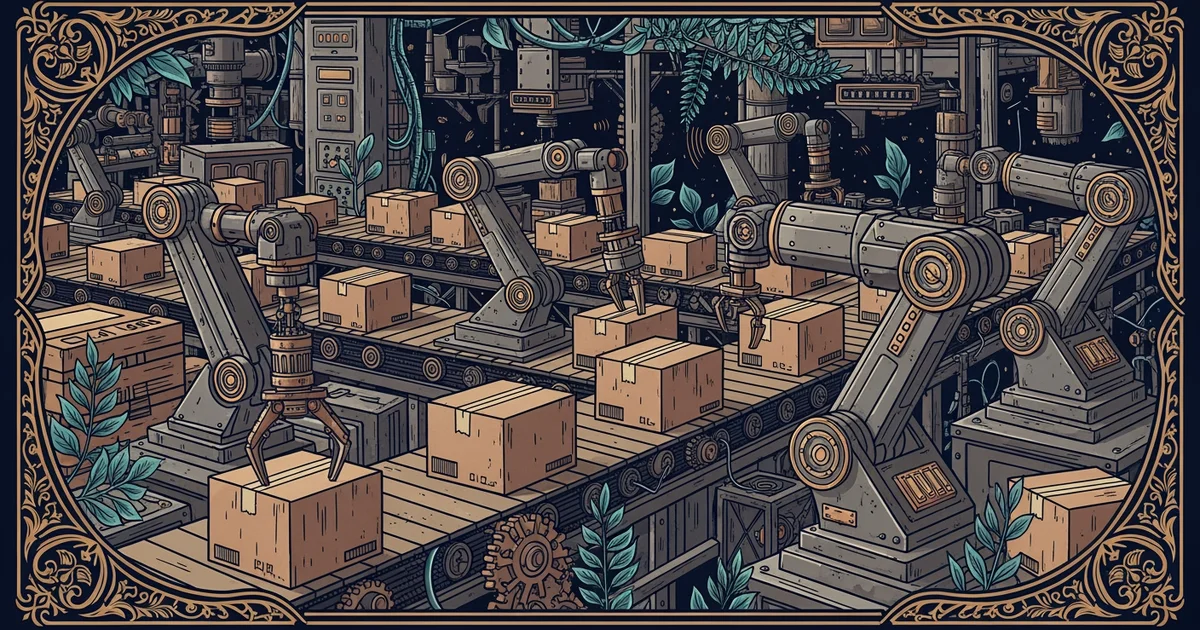
Developing these advanced shells requires a deep understanding of how materials interact with their specific contents over time. We must combine the lessons from lifecycle analysis with new robotic assembly methods to create sustainable, intelligent structures. These systems must resist moisture and physical impact while maintaining the integrity of the delicate sensors embedded within the walls. Engineers are currently exploring the use of bio-polymers that can house these electronic components without interfering with the signal transmission. The goal is to build a shell that is as smart as the product it contains, ensuring that nothing goes to waste. We are moving toward a future where every package contributes to a safer and more efficient global logistics network. This evolution represents the final stage of our journey into understanding how engineers protect the products that define our daily lives.
Future packaging will transform simple protective shells into intelligent, reactive systems that communicate product safety data directly to the consumer and the supply chain.
Understanding how to integrate smart materials into sustainable designs allows engineers to create safer products that minimize waste for future generations.