
Automation and Robotics
Imagine a factory where mechanical arms move with perfect precision to sort thousands of items every single hour. These machines never grow tired or distracted while they perform their repetitive tasks on the assembly line floor.
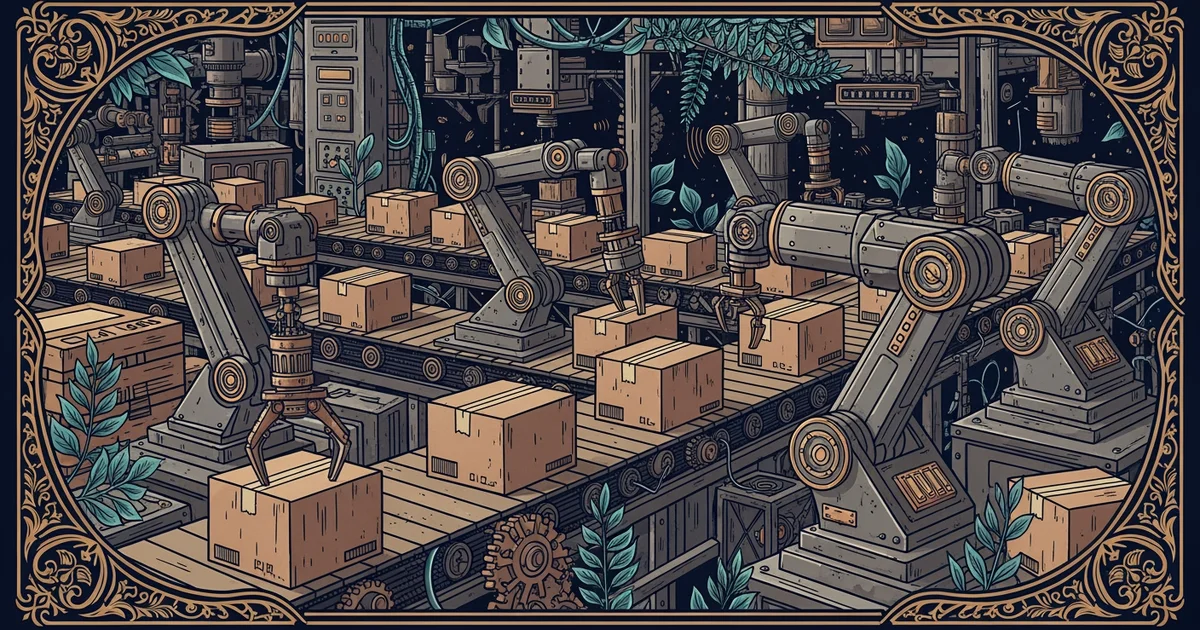
The Anatomy of Robotic Systems
Modern assembly lines rely on automation to move products quickly and safely from station to station. These systems use sensors to detect the size, weight, and orientation of every single object that passes by. A robotic arm functions much like a human worker who has been trained to perform one specific motion perfectly. When the sensor identifies a product, the robot calculates the exact path needed to pick up and place the item. This process happens in milliseconds because the computer controller processes data faster than any human brain could ever manage. The mechanical arm moves along specific axes to ensure the product lands in the correct container every single time. By removing human error from these simple movements, factories can maintain a very high level of quality control.
Key term: Automation — the use of self-operating equipment and control systems to perform tasks without continuous human intervention.
Integrating Robotics into Production
Engineers must design these robotic systems to work in harmony with the rest of the factory equipment. Think of the robotic arm as a professional chef who only prepares one specific dish all day long. Because the chef focuses on that single task, they become incredibly fast and efficient at repeating the same process. In a factory, the robot performs its repetitive task while other machines handle the sealing or labeling of the product. If the robot stops working, the entire line might stall, so engineers build redundant systems to keep things moving. The following table highlights how different robotic components contribute to the overall success of the production line.
| Component | Function | Benefit to Production |
|---|---|---|
| Sensors | Detect items | Ensures accurate sorting |
| Controller | Process data | Guides robotic movement |
| Actuators | Create motion | Powers the mechanical arm |
These components work together to form a seamless loop that keeps products moving without any manual effort. When a sensor detects a flaw, the controller sends a command to the actuator to remove the item. This prevents defective goods from reaching the final packaging stage where they could cause issues for consumers. The reliability of these systems allows companies to produce goods at a much lower cost for everyone.
Optimizing Robotic Performance
Efficiency in robotics comes from constant adjustments to the software that controls each physical movement of the arm. Engineers often use a specific sequence of steps to ensure the robot operates within safe and effective parameters.
- The system scans the incoming product to determine its specific physical characteristics and location.
- The controller calculates the most efficient path for the robotic arm to reach the target object.
- The actuator executes the physical movement while maintaining a steady grip on the delicate product shell.
- The robot releases the item into the correct destination bin before returning to its starting position.
By following these steps, the robot minimizes the time spent waiting between tasks and maximizes the total output. This logical flow ensures that the mechanical arm never wastes energy moving through unnecessary space or taking extra time. When the system identifies a bottleneck, engineers adjust the code to improve the speed of the arm. This ongoing process of refinement ensures that the robotic system remains a vital part of modern manufacturing technology.
Robotic systems combine precise sensor data with controlled mechanical motion to ensure that products move through assembly lines with maximum speed and accuracy.
But what does it look like when these robotic systems need to prepare a product for final shipment?
Want this with sources you can check?
Premium Learning Paths for Engineering & Robotics are researched against open-access libraries — PubMed, arXiv, government databases, and more — with their distinctive claims cited to real sources and independently checked.
See what Premium includes