
The Future of Health Tech
Imagine your body functions like a complex high-speed computer network that requires constant hardware upgrades to keep running. When individual components start to fail, we no longer need to replace the entire system, as we can now integrate smart technology to restore lost performance.
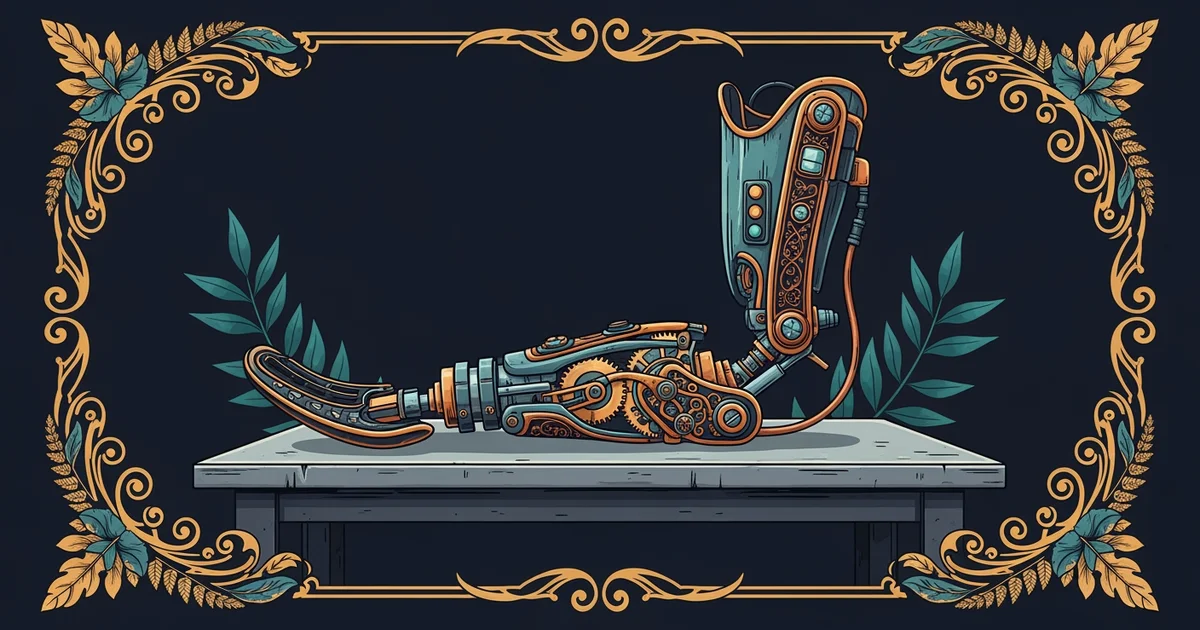
The Evolution of Integrated Biological Systems
Medical engineering is moving toward a future where devices are no longer just external tools but permanent, integrated parts of our daily biology. By merging synthetic sensors with natural tissue, we create a hybrid environment that monitors health in real-time. This concept of bio-integration allows machines to communicate directly with our nervous system, translating electrical signals into actionable data. Think of this process like upgrading a classic car with a modern digital dashboard; the engine remains the same, but the driver now receives precise feedback on every internal gear and fluid level. This shift moves medicine from reactive treatment to proactive maintenance, where we fix issues before they even cause pain or visible symptoms.
Key term: Bio-integration — the process of fusing synthetic medical technology with living tissue to create a unified, functional biological system.
As we advance, the focus shifts from simply replacing broken parts to enhancing existing functions through advanced materials. Engineers are currently designing flexible, conductive polymers that move perfectly with human muscles, ensuring that implants do not cause irritation or rejection by the immune system. These materials act as a bridge between the rigid world of traditional robotics and the soft, organic world of human anatomy. By using these adaptive materials, we can develop long-term solutions for chronic conditions that previously required frequent, invasive surgeries to maintain device function.
Predicting Future Trends in Health Technology
Looking ahead, we can categorize the most likely advancements in medical engineering based on their primary function within the human body. These innovations will likely follow a path of increasing autonomy, where devices make decisions based on the data they collect from our internal systems. The following table outlines how these future technologies will change the landscape of patient care by targeting specific biological needs:
| Technology Type | Primary Goal | Expected Outcome |
|---|---|---|
| Neural Interfaces | Restore mobility | Direct brain-to-limb communication |
| Nanobots | Targeted delivery | Precise drug release at cell sites |
| Smart Implants | Chronic monitoring | Real-time health data transmission |
These systems rely heavily on the principles of closed-loop feedback, a concept we explored when discussing how devices monitor heart rhythms and adjust pacing without human input. By combining the ethical frameworks studied in previous stations with these new, autonomous capabilities, we ensure that machines act in the patient's best interest. The challenge remains in balancing machine efficiency with human autonomy, as we must decide how much control we are willing to hand over to an algorithm.
We must also consider how these technologies will interact with the body over several decades, rather than just a few years. Future engineers will need to master the art of long-term biological compatibility, ensuring that machines do not degrade or trigger negative responses over time. As we continue to refine these tools, the line between human biology and machine engineering will become increasingly blurred, leading to a new era of human health. Modern machines save lives by acting as silent, intelligent partners that constantly work to maintain our internal balance, proving that our longevity is now a collaborative effort between nature and engineering.
The future of health technology lies in creating seamless, autonomous systems that act as permanent extensions of our biology to maintain peak performance.
Medical engineering has evolved from simple mechanical repair into a sophisticated field of integrated systems that will continue to redefine the limits of human longevity.