
The History of Medical Innovation
Imagine your doctor using a simple wooden tube to listen to your heart today. This outdated tool would likely miss the subtle signs of a serious health problem. Early medical tools were primitive and lacked the precision needed for modern health care. We moved from these basic manual instruments to complex systems that monitor our bodies constantly. This shift reflects how engineering changed the way we treat human illness over many decades. Understanding this history helps us see why current digital tools are so vital today.
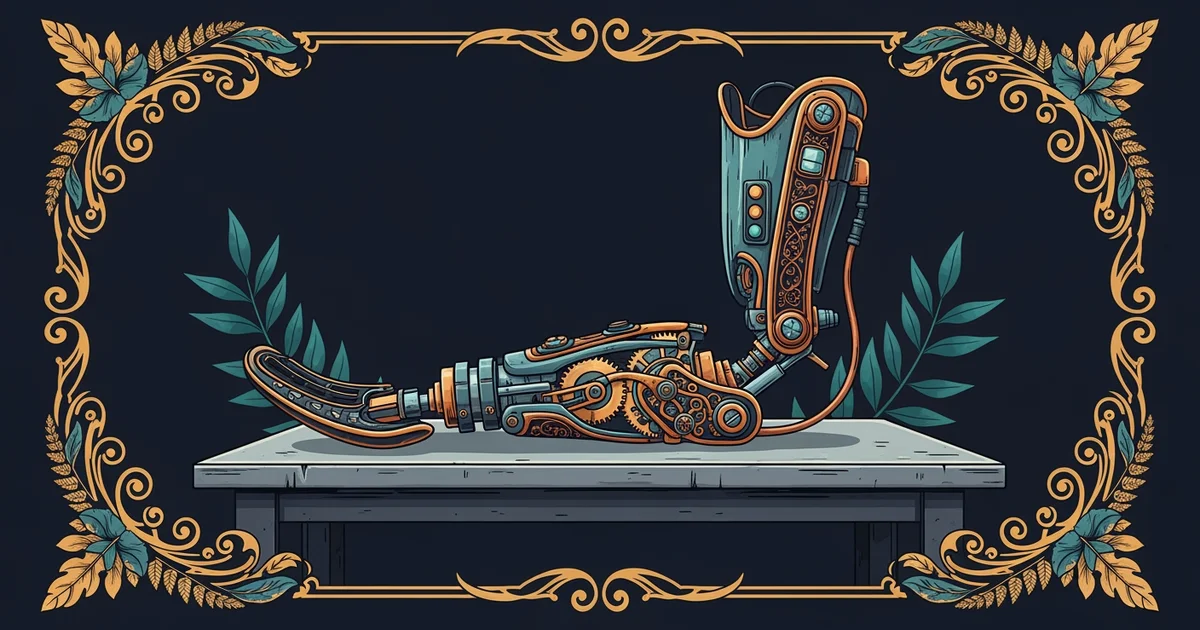
The Evolution of Diagnostic Tools
Early medical history relied heavily on the senses of the physician alone. Doctors used their eyes to observe symptoms and their ears to listen to internal sounds. This approach limited how much they could truly understand about hidden conditions. Over time, engineers developed mechanical devices to amplify these natural human signals for better clarity. Consider how a simple lever makes lifting a heavy box much easier for a person. These early tools acted like levers for the senses to help doctors detect small changes. This evolution shows a clear path from manual observation to the use of specialized, mechanical hardware.
Key term: Medical engineering — the application of design and problem-solving skills to create tools that improve human health outcomes.
As technology advanced, the focus shifted toward capturing data that human senses could never perceive. Engineers started building devices that could translate physical movement or sound into visible patterns on a screen. This transition meant that doctors no longer had to guess based on their own limited observations. Instead, they could rely on objective measurements provided by precise machines. This change made medical care more consistent and reliable for patients across the entire world.
From Mechanical Parts to Digital Systems
Modern medical devices now rely on complex digital systems to process information in real time. We have moved far beyond the era of simple gears and springs into the age of microchips. These digital systems perform tasks that would be impossible for any human to manage alone. They track heart rhythms and blood levels with incredible speed and accuracy every single second. This capability allows for rapid responses to emergencies before a person even feels a symptom. The following table highlights how these different generations of technology compare in their core functions.
| Generation | Primary Focus | Key Capability | Data Handling |
|---|---|---|---|
| Manual | Senses | Observation | None |
| Mechanical | Amplification | Detection | Physical Logs |
| Digital | Calculation | Real-time Analysis | Automated Processing |
This shift toward digital systems allows for a deeper integration between machines and the human body. We now build devices that can adjust their own settings based on the data they receive. These smart systems act like a thermostat that regulates the temperature of a house automatically. When the body needs help, the device detects the imbalance and provides the correct support instantly. This creates a loop of constant care that keeps the body functioning within a safe range.
- Data Collection: Sensors gather continuous information from the body to monitor vital health indicators.
- Signal Processing: Digital algorithms filter this raw data to remove noise and highlight important patterns.
- Feedback Loops: The device uses processed information to trigger specific actions that stabilize the patient.
These three steps define the modern approach to medical device design and clinical application. By following this sequence, engineers create reliable tools that adapt to the changing needs of patients. This process ensures that medical care remains proactive rather than just reactive to sudden health crises. We are now entering a phase where these machines are becoming almost invisible to the patient. They work silently in the background to keep our biological systems running smoothly and safely every day.
Modern medical innovation replaces manual observation with automated systems that provide continuous and precise health monitoring for patients.
Next, we will explore the strict regulatory standards that ensure these complex digital systems remain safe for human use.