
Historical Context of Robotics
Imagine a factory worker from the past century trying to operate a modern automated assembly line. They would likely find the lack of manual levers and physical gears confusing because the machinery now thinks for itself. This shift from simple mechanical tools to intelligent systems defines the history of robotics. We must look at how these machines evolved to understand the current goals of human robot interaction. Designers once focused purely on speed and repetitive precision for industrial tasks. They did not consider how a person might feel or behave near these powerful metal arms. This early focus created a divide between human workers and the machines designed to assist them.
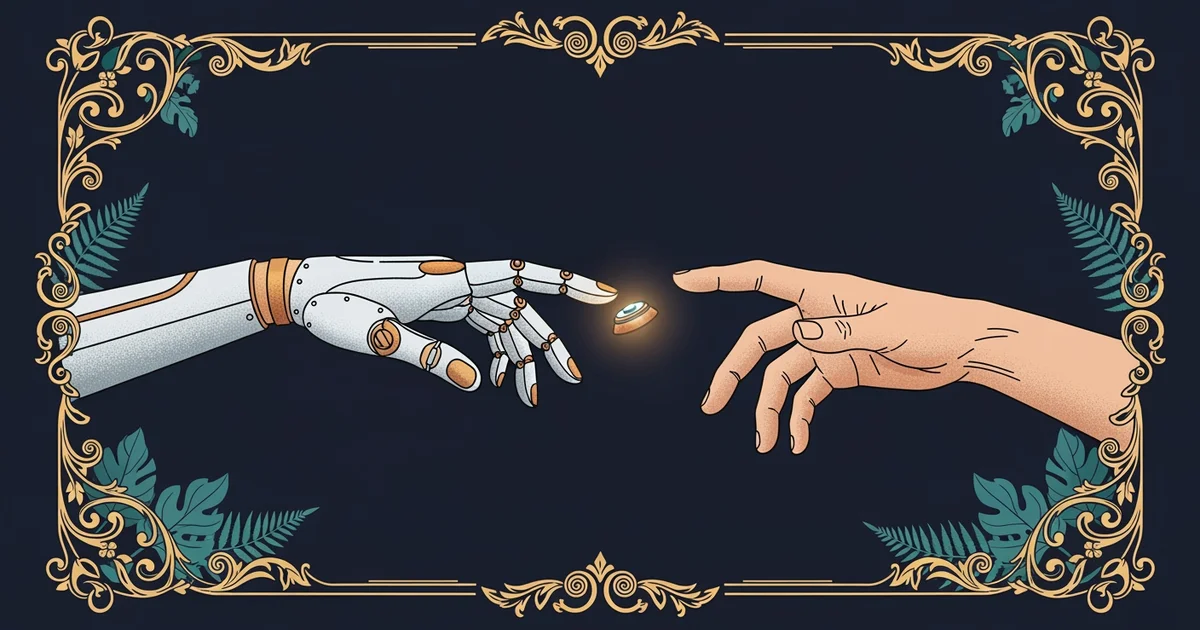
The Shift in Design Paradigms
Early robotics focused on rigid automation where machines performed one task in a locked cage. Engineers built these robots to replace human labor in environments that were dangerous or extremely monotonous. Think of a robot like a dedicated kitchen blender that only knows how to spin at one speed. It does not know if the lid is open or if a hand is inside. This design philosophy prioritized efficiency above all else. It ignored the reality that humans often need to work within the same physical space as the machine. Designers eventually realized that locking robots away limited their usefulness in complex, unpredictable human settings.
Key term: Industrial Automation — the use of control systems and technologies to operate machinery with minimal human intervention.
Modern design now prioritizes safety and collaboration to allow robots to function as partners rather than just tools. This transition required a change in how developers program movement and sensory feedback systems. Engineers started adding sensors that detect human presence to prevent accidental collisions during work. These systems act like a cautious driver who keeps a safe distance from other cars on a busy highway. The driver adjusts their speed based on the flow of traffic to ensure everyone arrives safely. Robotics designers now use similar logic to ensure machines adapt to the presence of people in real time.
Evolution of Interaction Models
Designers categorize these historical shifts by how much control the human exerts over the robotic system during operation. We can see this progression clearly by looking at the changing relationship between the user and the mechanical platform.
| Era | Primary Goal | Human Role | Robot Autonomy |
|---|---|---|---|
| Early Industrial | Speed | Constant Manual Control | Low |
| Mid-Transition | Precision | Programmed Supervision | Moderate |
| Modern Era | Collaboration | Shared Decision Making | High |
This table shows that as robots gained more autonomy, the human role shifted from direct operator to a supervisor. The goal is now to create machines that understand human intent without needing constant manual input from a person. If a robot cannot interpret a gesture or a spoken command, it remains a simple tool rather than a collaborative partner. This evolution highlights the growing need for intuitive interfaces that bridge the gap between human thought and machine action.
Challenges in Collaborative Design
Engineers face a difficult challenge when they try to balance high autonomy with the need for human safety. A robot must be smart enough to act alone but humble enough to stop if a person approaches. This requires complex algorithms that process environmental data much faster than a human brain can react. Designers must ensure that the robot communicates its intentions clearly through light, sound, or movement. If a robot moves without warning, it creates tension and fear in the human worker nearby. Creating a sense of predictability is the final frontier in making robots truly effective teammates in our shared daily environments.
Historical robot design moved from isolated mechanical efficiency toward integrated systems that prioritize human safety and collaborative intent.
The next stage of this journey explores how social robotics basics allow machines to communicate effectively with humans.