
Historical Actuator Evolution
Imagine a heavy iron gate that requires a massive team of people to push open each morning. If you replace those people with a single steam piston, you shift the burden of labor from human muscle to controlled pressure. This fundamental transition from physical force to mechanical assistance defines the history of robotics and engineering. We constantly seek ways to move objects while using less human effort and more refined, efficient energy sources.
The Era of Steam and Fluid Power
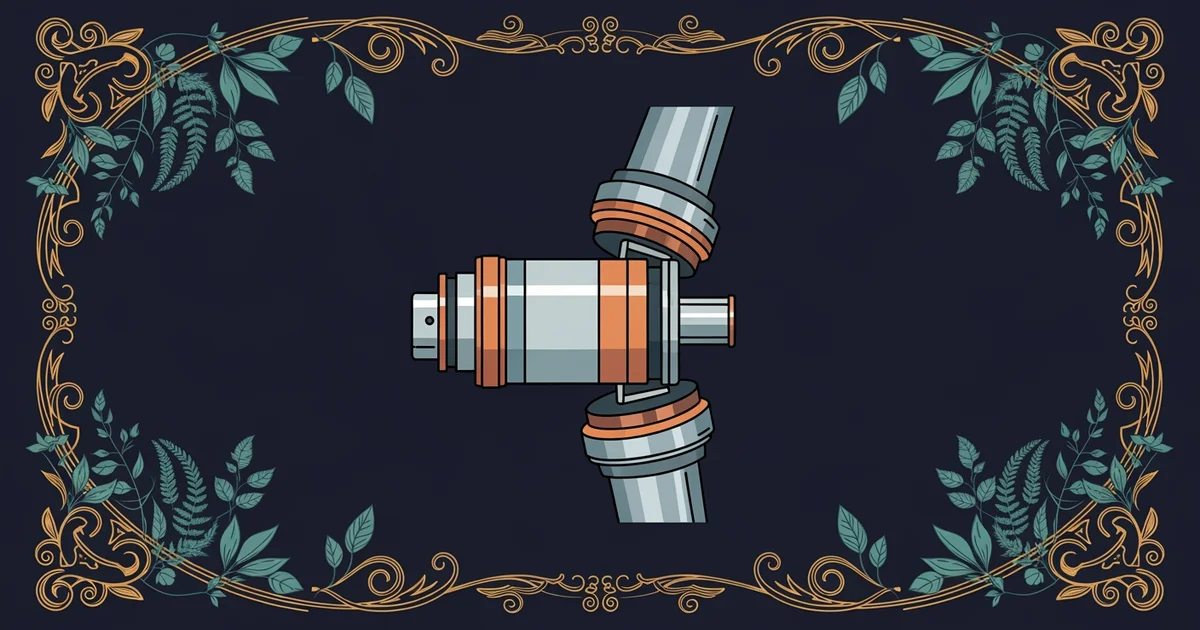
Early mechanical systems relied heavily on the raw power of steam to drive industrial machinery. Engineers developed the actuator as a device that converts energy into physical motion to perform work. These early designs were massive, clunky, and lacked the precision required for delicate or complex robotic tasks. They functioned much like a giant water wheel, where the energy input was constant and difficult to adjust for fine movements. Because steam systems were prone to leaking and required massive boilers, they became impractical for smaller, portable, or intricate mechanical applications. Engineers soon looked toward fluids like oil to create smoother, more reliable force transmission through pressurized tubes and cylinders.
Key term: Actuator — a component of a machine that is responsible for moving and controlling a mechanism or system by converting energy into motion.
Hydraulic systems improved upon steam by providing more consistent power through incompressible liquids. These systems allowed for greater control over speed and force, which was a massive leap forward for heavy machinery. However, hydraulic systems still faced significant challenges regarding maintenance and environmental impact. Leaks could damage work areas, and the pumps required to maintain pressure were often loud and inefficient. Despite these flaws, the move toward fluid power taught us that controlling the flow of energy is just as important as generating the energy itself.
Transitioning to Modern Electronic Control
As technology advanced, the industry pivoted toward electrical systems to achieve higher levels of precision and efficiency. Modern robots now utilize sophisticated motors that translate electrical signals into exact rotational or linear movements. This shift represents a move from brute force to intelligent, programmable control that minimizes waste. Think of this like upgrading from a manual screwdriver to an electric drill; the electric version uses power only when you pull the trigger, and it stops immediately when you release it. This level of precision allows modern systems to perform complex tasks while consuming minimal electrical power during idle periods.
| System Type | Energy Source | Primary Benefit | Main Limitation |
|---|---|---|---|
| Steam | Thermal | High raw power | Low precision |
| Hydraulic | Fluid Pressure | Smooth movement | Maintenance cost |
| Electric | Current | High precision | Heat generation |
We categorize these systems by their ability to respond to digital inputs effectively. The evolution of these technologies follows a clear path of increasing complexity and efficiency:
- Steam engines provided the initial foundation by proving that automated force could replace manual labor in factories.
- Hydraulic cylinders refined the process by using pressurized liquids to enable smoother movement in heavy construction equipment.
- Electric motors introduced the ability to process digital commands, which allows for the high-speed and high-accuracy tasks we see in modern robotics.
By comparing these stages, we see that the goal of engineering has remained the same: to produce the most motion with the least amount of wasted energy. We continue to improve these systems by integrating sensors that monitor the environment and adjust energy consumption in real time. This feedback loop ensures that the robot only uses the exact amount of power needed for each specific movement. The history of these systems shows that efficiency is born from better control, not just more power.
True mechanical efficiency comes from matching the energy source to the precision required by the task.
Next, we will explore how electric motors function to provide this precise control.