
Scientific Sampling Tools
When the Deepsea Challenger reached the bottom of the Mariana Trench, engineers faced a major dilemma. They needed to retrieve delicate biological samples without destroying the fragile structures of deep-sea organisms. This is similar to the pressure-tolerant control systems explored in Station 10. Scientists cannot simply grab these creatures with heavy metal claws. Instead, they use specialized tools that operate with extreme precision in high-pressure environments. These devices allow researchers to study life that exists nowhere else on our planet.
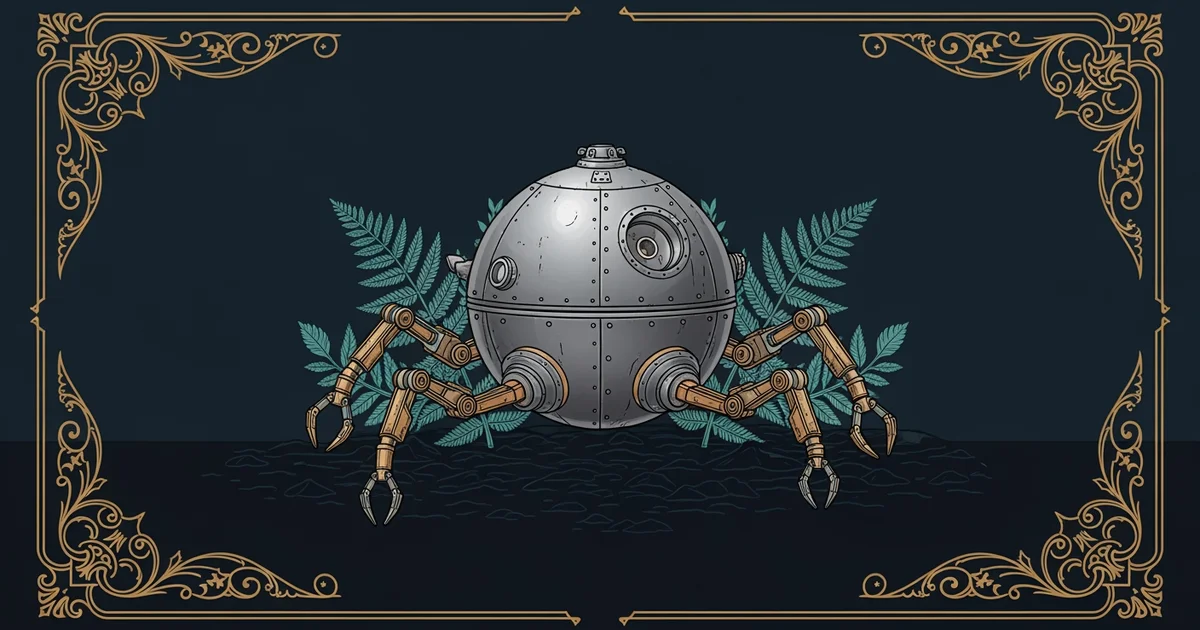
Specialized Tools for Sample Collection
To collect samples, engineers design tools that mimic the gentle touch of a human hand. The most common tool is the suction sampler, which acts like a high-tech vacuum cleaner for the ocean floor. It uses a controlled flow of water to draw specimens into a collection chamber. This method prevents physical damage during the transition from the seabed to the research vessel. Think of this process like picking up a ripe piece of fruit with a soft air pump. You move the object without squeezing it or causing it to bruise under pressure.
Beyond simple suction, engineers rely on several other tools to maintain sample integrity during recovery. These tools must function perfectly despite the immense weight of the water column above them. When robots interact with the environment, they often utilize the following equipment to ensure that the biological data remains valid for later laboratory analysis:
- Manipulator arms provide the dexterity needed to hold tools or place samples into canisters with high precision.
- Bio-boxes offer insulated storage compartments that keep samples at near-freezing temperatures to prevent thermal shock.
- Push cores allow scientists to collect vertical samples of sediment, which helps them understand the history of the seafloor.
These tools are essential because they bridge the gap between observation and actual physical examination of life forms.
Managing Delicate Specimens in High Pressure
After the robot gathers the specimen, it must protect the sample from the rapid changes in external pressure. If a creature moves from the bottom to the surface too fast, its internal tissues may expand and rupture. This is a significant engineering challenge that requires advanced containment systems. A pressure-retaining sampler keeps the internal environment consistent with the deep ocean conditions. By maintaining this balance, researchers can observe how these organisms behave in their natural, high-pressure state. This technology is vital for understanding how deep-sea life functions without the interference of surface-level atmospheric changes.
Key term: Suction sampler — a robotic device that uses water current to gently pull specimens into a secure container.
| Tool Type | Primary Function | Best Use Case |
|---|---|---|
| Suction | Gentle collection | Soft-bodied organisms |
| Manipulator | Physical handling | Solid rock or debris |
| Push Core | Sediment sampling | Geological history |
Using these tools, robots can perform complex tasks that were once thought impossible for machines. The precision of these tools allows us to collect samples that are completely intact. This level of detail is necessary to unlock the secrets of the deep ocean. Engineers continue to refine these designs to ensure that even the most fragile life forms survive the trip to the surface. As we improve these tools, our understanding of the deep-sea ecosystem grows much faster.
Scientific sampling tools enable the safe retrieval of fragile deep-sea organisms by using gentle suction and pressure-controlled storage chambers.
But this model of localized sampling breaks down when we try to map the vast, unexplored regions of the global seafloor.