
Taxation Systems Review
Imagine you are standing in a grocery store line with two different shoppers who have vastly different bank accounts. One person earns a very high salary while the other person works for minimum wage, yet both must pay the same price for a loaf of bread. This simple daily scenario reveals the hidden friction within national tax systems that determine how much money each person contributes to the public pot. When governments decide how to collect revenue, they choose between different structures that impact the poor and the wealthy in ways that are rarely equal. Understanding these mechanics is essential for seeing how financial resources shift across the entire population.
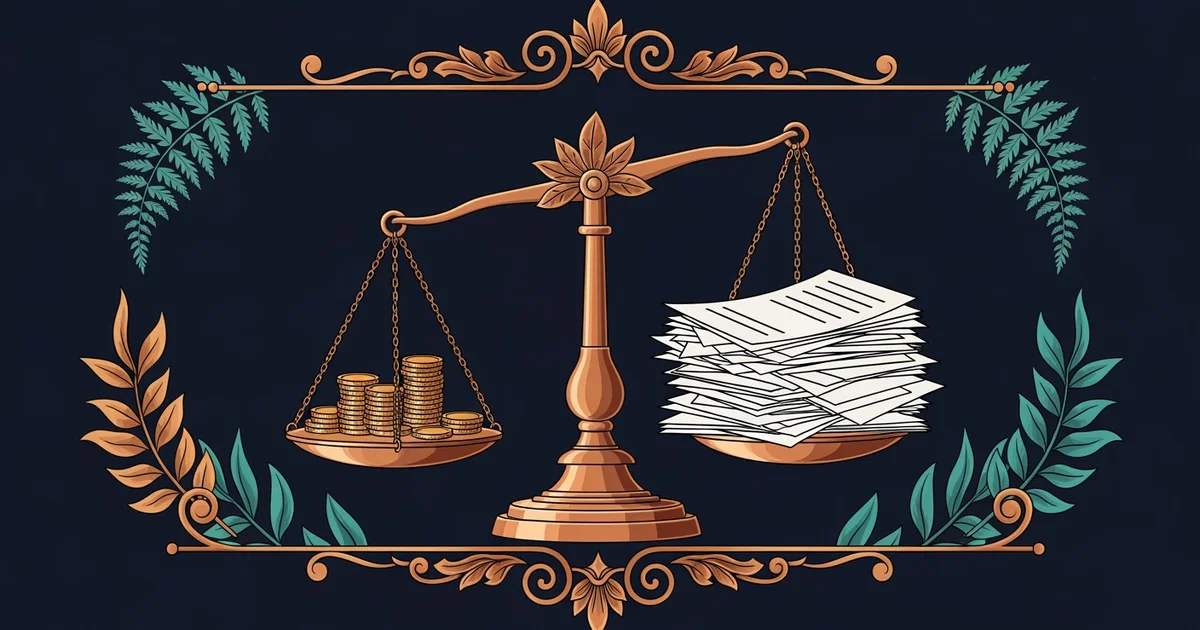
The Mechanics of Tax Structures
Tax systems generally fall into three categories that define how the percentage of income taken changes as earnings increase. A progressive tax system requires individuals with higher incomes to pay a larger percentage of their total earnings than those with lower incomes. This approach aims to reduce the gap between the rich and the poor by placing a heavier burden on those who have more financial surplus. Conversely, a regressive tax system takes a larger percentage of income from those who earn less, which can create significant strain on household budgets. These systems often rely on flat fees or sales taxes that do not account for an individual's total ability to pay.
Key term: Flat Tax — a system where every taxpayer pays the exact same percentage of their income regardless of how much money they earn annually.
To see how these systems function in reality, we can compare how they treat different income levels when applied to common financial transactions. The following table highlights the core differences in how these systems collect revenue from citizens:
| Tax Type | Impact on Low Income | Impact on High Income | Goal of System |
|---|---|---|---|
| Progressive | Lower percentage | Higher percentage | Wealth equality |
| Regressive | Higher percentage | Lower percentage | Revenue volume |
| Flat | Equal percentage | Equal percentage | Administrative ease |
Redistribution and Economic Impact
When governments collect these funds, they use the money to provide public services like schools, roads, and emergency response teams. A progressive system acts like a communal bucket where those with more water contribute more to keep the well full for everyone. This redistribution helps ensure that even people with very little income can access basic services that they could not afford on their own. However, critics argue that high taxes on the wealthy might discourage them from investing in new businesses or creating jobs. Balancing these needs requires a careful look at how much tax is enough to support society without slowing down the engine of economic growth.
Regressive taxes often appear in the form of sales taxes on essential goods like food or clothing. Because lower-income families spend a much larger portion of their total money on these necessities, a sales tax hits them harder than it hits a wealthy person. If a person earns very little, a ten percent tax on a grocery bill represents a significant slice of their monthly budget. A wealthy person, however, barely notices that same ten percent charge because their basic needs represent a tiny fraction of their total income. This is why many economists argue that relying too heavily on sales taxes can worsen the existing wealth gap over time.
Ultimately, the choice of tax system reflects a country's values regarding how much it wants to support its citizens through shared resources. If a nation prioritizes social safety nets, it will likely lean toward progressive structures to fund those programs. If a nation prioritizes individual wealth accumulation, it might favor lower taxes for everyone or rely on regressive methods to keep administration simple. Every tax law is a choice about who carries the weight of funding the public goods that everyone uses every single day. By examining these systems, we can better understand why some people have more opportunity than others to build wealth.
Taxation systems function as the primary mechanism for redistributing financial resources across society, directly influencing the wealth gap by choosing who bears the largest share of public costs.
But what does it look like in practice when these systems intersect with the way we access quality schooling and professional training? This content is educational only and does not constitute financial or investment advice.