
Public Policy Impacts
Imagine two people starting a race where one runner begins ten meters ahead of the other. The runner starting behind must work much harder just to reach the same starting line as the first runner. Public policy acts like the rules of this race by changing where people begin and how fast they can move. When governments create laws, they directly influence how wealth spreads across a society and who gains the most from economic growth. These rules can either narrow the gap between the rich and poor or make it much wider over time.
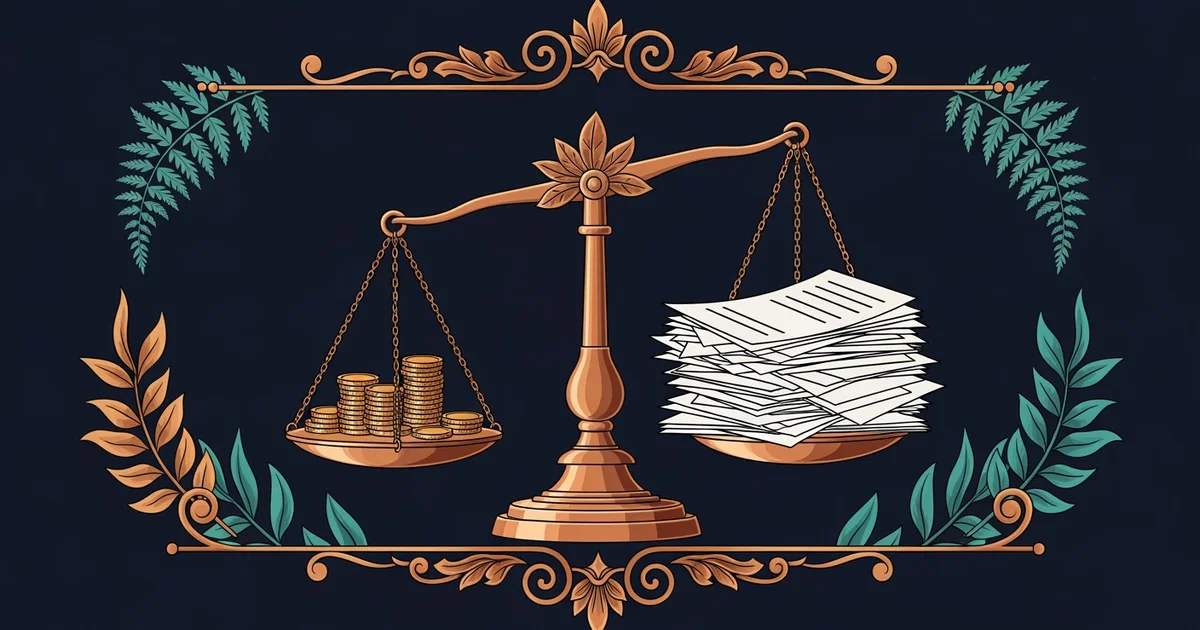
The Mechanism of Redistributive Policy
Governments use specific tools to adjust the flow of money throughout the national economy each year. One major tool is progressive taxation, where people with higher earnings pay a larger percentage of their income to the state. This system aims to collect funds from those who have the most extra resources to spare. The government then uses these collected funds to provide services that help everyone, such as public schools or healthcare. By providing these services at a low cost, the state lowers the amount of personal wealth a family must spend to survive. This effectively raises the standard of living for those at the bottom of the income scale.
Key term: Progressive taxation — a tax system where the rate increases as the taxable amount increases.
Another way that policy shapes wealth distribution involves direct transfers to households that need extra help. These programs include unemployment insurance, food assistance, or direct cash payments to families living below the poverty line. Think of these programs as a safety net that catches people before they fall too far into financial ruin. Without this net, a single bad event like a job loss or a medical emergency could destroy a family's entire financial future. By keeping people stable during hard times, these policies ensure that more individuals can eventually return to the workforce and contribute to the economy.
Evaluating Policy Impact Through Regulation
Beyond taxes and transfers, government rules also set the standards for how businesses operate and pay their workers. Regulations like the minimum wage create a floor for how much money a worker must earn for their time. When the government raises this floor, it forces companies to distribute more of their total profits to the employees who actually perform the labor. This shift helps to reduce extreme wealth gaps by ensuring that hard work leads to a livable income for all employees. These rules prevent companies from keeping all the gains for owners while workers struggle to pay for basic needs.
| Policy Type | Primary Tool | Effect on Wealth | Goal of the Rule |
|---|---|---|---|
| Tax Policy | Income Tax | Reduces Surplus | Fund Public Goods |
| Labor Rules | Wage Floor | Boosts Earnings | Protect Workers |
| Social Aid | Direct Grant | Lifts Bottom | Reduce Poverty |
These policies work together to create an environment where opportunity is shared more broadly across the whole population. When a government enforces a high minimum wage, it works alongside tax programs to keep money moving through the economy. If the government only used taxes without labor protections, the gap might still grow because wages would remain too low for the average worker. By combining these different approaches, the state builds a more balanced system that supports long-term stability for everyone involved. These rules act as the guardrails that keep the economic vehicle on the road instead of sliding off into a ditch of inequality.
Public policy functions as the primary mechanism for adjusting wealth distribution by balancing tax burdens with social support and labor protections.
The next Station introduces market dynamics analysis, which determines how these government rules interact with supply and demand in the real world.
This content is educational only and does not constitute financial or investment advice.