
Pension System Design Models
Imagine you are standing in a long line at a busy coffee shop where the current customers pay for the coffee of the person waiting directly behind them. If the line stays long and the people behind you keep arriving, the system works perfectly and everyone eventually receives their drink without issue. However, if the line stops growing or people leave, the chain breaks and the person at the front suddenly finds themselves without a cup of coffee. This simple daily scenario illustrates how different pension systems manage the flow of money to support retired individuals across various generations.
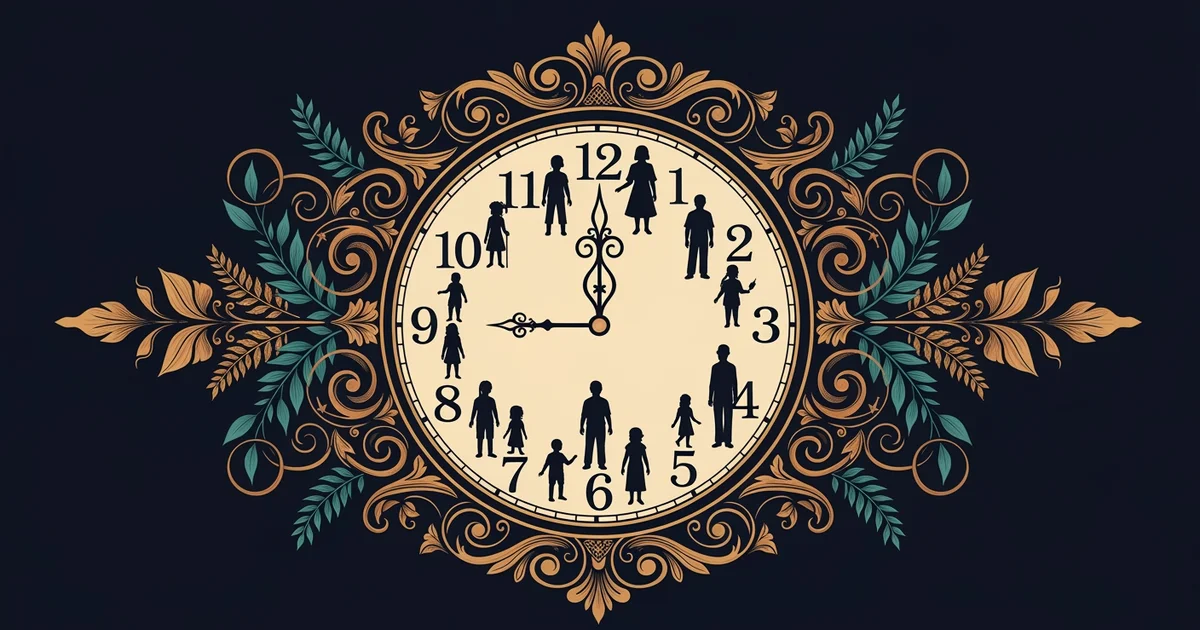
Understanding Retirement Funding Structures
Most national pension systems rely on two primary models to ensure that retired workers maintain a stable income after they finish their careers. A pay-as-you-go system functions like the coffee shop line where current workers pay for the benefits of current retirees through their monthly taxes. This model depends entirely on a consistent stream of new workers entering the labor force to replace those who retire. When birth rates drop or the population ages, the number of people paying into the system shrinks while the number of people collecting benefits grows. This imbalance forces governments to either raise taxes on workers or reduce the payments sent to retirees to keep the system solvent.
Key term: Pay-as-you-go — a retirement funding model where current workers provide taxes to pay for the benefits of current retirees.
In contrast, a funded personal retirement account operates more like a private savings vault where each individual stores their own money for later use. Instead of relying on the taxes of younger generations, workers contribute a portion of their earnings into an investment account that grows over time. Because the money is invested in assets like stocks or bonds, the total value can increase significantly before the worker reaches retirement age. This system provides more security for the individual because their pension does not depend on the size of the future workforce or the stability of government tax collections.
Comparing Benefit and Contribution Models
Beyond the funding source, pension systems differ based on how they calculate the final payout amounts for retirees. Governments and employers often choose between two distinct frameworks to define these retirement obligations:
- Defined benefit plans guarantee a specific monthly payment to retirees based on their salary history and years of service.
- Defined contribution plans focus on the amount invested into the account rather than promising a specific final payout amount.
- Hybrid models combine features of both systems to balance individual risk with the stability of a guaranteed income stream.
| Feature | Defined Benefit | Defined Contribution |
|---|---|---|
| Payout | Fixed amount | Variable amount |
| Risk | Employer bears risk | Individual bears risk |
| Funding | Pooled assets | Personal accounts |
When employers offer defined benefit plans, they must manage the investment risks and ensure enough money exists to pay every retiree the promised amount. If the investments perform poorly, the employer must cover the difference, which creates a significant long-term financial burden for the organization. Conversely, defined contribution plans shift this risk onto the individual worker. If the market performs well, the worker enjoys a larger retirement nest egg, but they also face the possibility of receiving less money if the market declines during their career. This shift reflects a broader economic trend where responsibility for retirement security is moving from large institutions toward the individual worker.
Because defined contribution plans are portable, they allow workers to change jobs without losing their accumulated retirement savings. This flexibility is increasingly important in a modern economy where employees switch companies more frequently than they did in previous decades. While these accounts require individuals to make their own investment decisions, they provide a clear sense of ownership over the funds. By understanding these structural differences, individuals can better navigate their personal financial planning as they prepare for a future where demographic changes will continue to influence how pension systems operate across the globe.
Pension systems represent a trade-off between social solidarity through shared tax burdens and individual self-reliance through private investment growth.
But what does it look like in practice when automation begins to replace the human workers who fund these systems?
This content is educational only and does not constitute financial or investment advice.
Want this with sources you can check?
Premium Learning Paths for Economics & Finance are researched against open-access libraries — PubMed, arXiv, government databases, and more — with their distinctive claims cited to real sources and independently checked.
See what Premium includes