
The Blue Sky
The White Light from the Sun
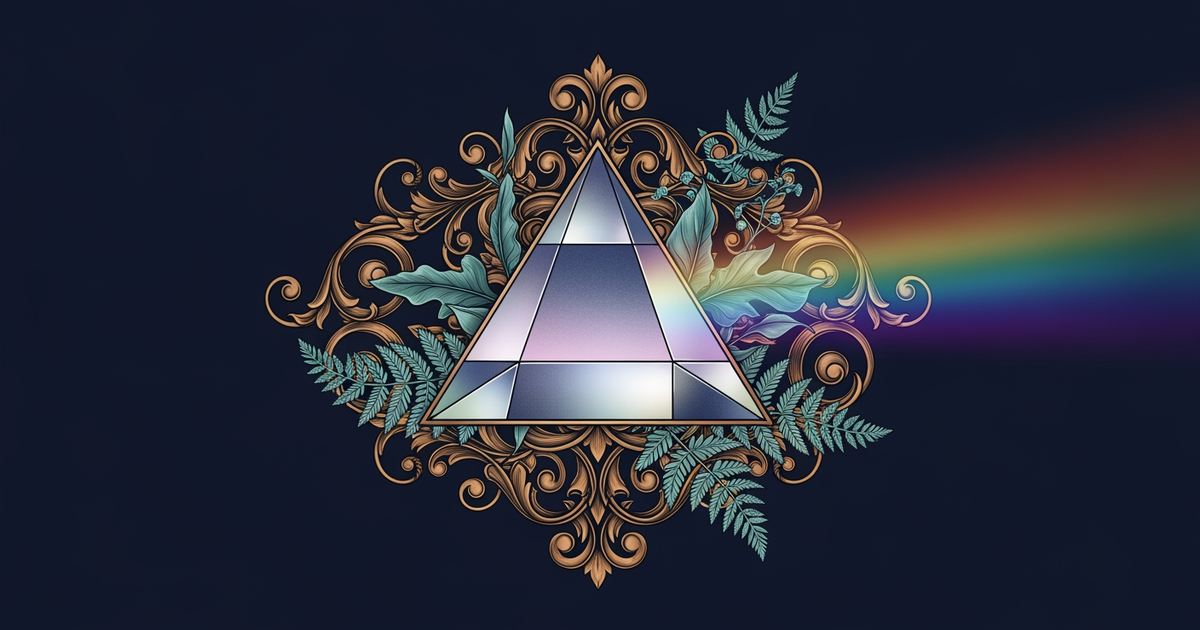
Sunlight looks completely white to our eyes. It holds all the rainbow colors inside. We learned about this rainbow earlier. These colors are red, orange, yellow, green, blue, indigo, and violet.
Light travels in fast waves. Different colors have different wave sizes. Red light has very long waves. Blue light has very short waves.
The light travels from the sun. It moves through empty space. It travels in a straight line. Nothing stops the light in space. Space is very empty. The light travels for millions of miles.
The Invisible Air Around Us
Then the light reaches our planet. It hits the invisible air. We call this air the atmosphere. The atmosphere wraps around our world like a thick blanket.
The air is not empty space. The air is full of gas molecules. Nitrogen and oxygen make up most of this air. These tiny parts float everywhere. You cannot see them. They are too small.
But the sunlight finds them. The sunlight crashes into these gas molecules . The straight path ends here. The light must push through the thick gas.
The Bumpy Ride for Blue Light
The different colors act differently in the air. Blue light has short waves. Short waves hit the tiny gas molecules easily.
Think of a fun pinball game. The blue light is the silver ball. The gas molecules are the round bumpers. The blue light hits a bumper. It zips sideways. It hits another bumper. It zips down.
The blue light bounces everywhere. It fills the whole sky above you. You look up outside. Your eyes catch these bouncing blue rays. The sky looks bright blue to you.
The Scientific Name for the Bounce
Scientists have a special name for this bouncing. They call it Rayleigh scattering. A smart man named Lord Rayleigh discovered this. He figured out the math a long time ago.
Let us read a famous science paper.
Rayleigh scattering accounts for the blue color of the sky and the orange/red color of the Sun near sunset and sunrise
In plain terms: Sunlight hits tiny parts of the air. The air bounces the blue light everywhere. This makes the sky look blue during the day. Later, it makes sunsets look red.
Scientists measure these short blue waves carefully. They use tiny units. These units are nanometers. Blue light measures 400 to 500 nanometers . This size perfectly hits the air molecules.
Comparing the Colors
Let us look at a simple chart. It shows the actions of the colors.
| Light Color | Wave Size | Action in the Air | What We See |
|---|---|---|---|
| Blue Light | Short (400-500 nm) | Bounces off molecules | The blue sky |
| Red Light | Long | Steps over molecules | The sun looks yellow |
The Straight Path for Red Light
What happens to the other colors? Red and yellow have long waves. They act like tall giants. They step right over the tiny gas molecules.
The red light does not hit the bumpers. It does not bounce much at all. It travels straight down to the ground.
The yellow light does the same thing. This makes the sun look yellow. The yellow light comes straight to your eyes. The blue light scatters away. You do not see red bouncing in the sky at noon.
A Fun Classroom Trick
Teachers love to show this in school. They do a fun science trick. They use bright lights and clear water. They add special drops to the water .
The drops act exactly like air molecules. The teacher shines the bright light. The light hits the tiny drops. The water suddenly glows blue!
This trick shows Rayleigh scattering perfectly. The short blue waves bounce off the drops. The red waves go straight through the tank.
Getting Ready for Sunset
The sky stays blue all day long. The sun shines high above us. The blue light bounces off the air.
But the day will end soon. The sun's position changes. It moves lower in the sky. The light will take a longer path through the air.
The blue light gets lost on this long trip. We will explore this next! The sky will change colors again.
Key Terms
- Rayleigh scattering — The bouncing of short light waves off gas molecules in the air.
- Nanometer — A tiny unit of measurement used to measure light waves.
- Atmosphere — The thick blanket of invisible air that wraps around our planet.
Verified Sources
Blue Skies, Coffee Creamer, and Rayleigh Scattering
Liebl, Michael · 2010 · ERIC (U.S. Department of Education)
Toxic wavelength of blue light changes as insects grow
Kazuki Shibuya, Shun Onodera, Masatoshi Hori · 2018 · PLoS ONE
Tricks of the Trade: A Golden Oldie Projecting a Sunset.
Huebner, Jay S. · 1994 · ERIC (U.S. Department of Education)