
Defining Mountain Landscapes
Defining Mountain Landscapes
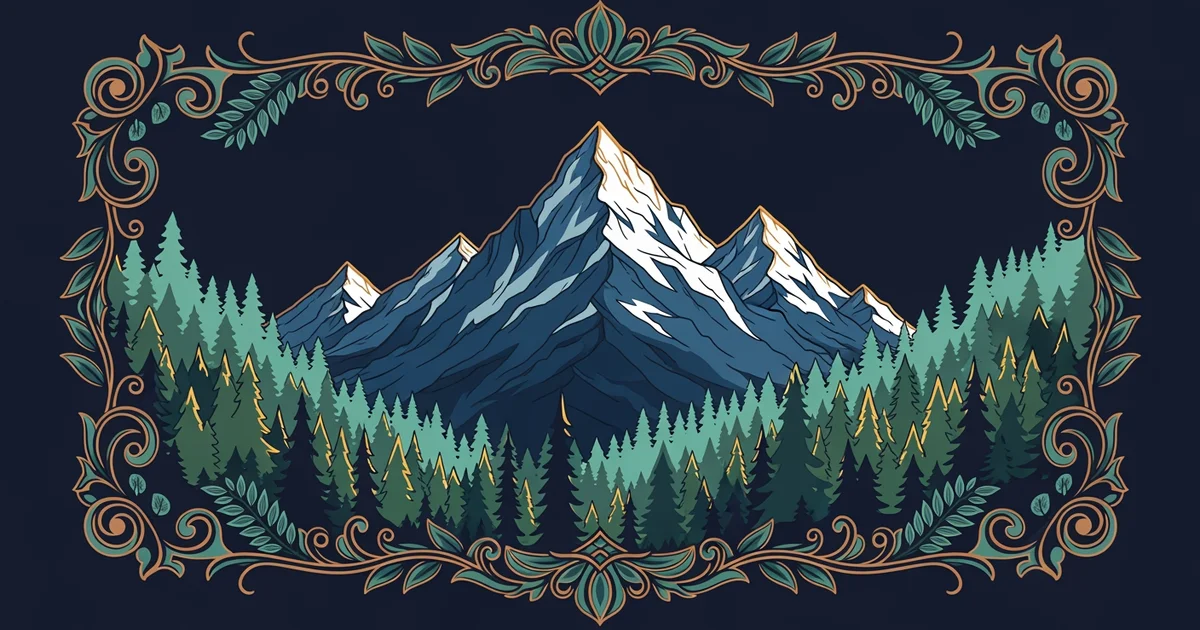
Mountains represent the most dramatic relief features found on the surface of our planet Earth. These massive structures rise high above the surrounding terrain to create distinct vertical climate zones. Geologists define these peaks by their significant elevation and their steep, rugged surface slopes. While hills are generally smaller, mountains possess massive scale and internal geological complexity. They serve as the primary drivers of global weather patterns and local biological diversity. Understanding these landforms requires a deep look at the forces that shape our surface.
Geological Classification Systems
Scientists classify mountains based on their origin and their internal structural composition over time. Some peaks result from tectonic forces, while others form through volcanic activity or erosion. Fold mountains occur when tectonic plates collide and force the crust to bend upward. Fault block mountains appear when large sections of the crust break and shift vertically. Volcanic mountains build up through the accumulation of lava and ash during eruptions. Each type displays unique shapes and internal layers that reflect their specific formation history.
The Role of Plate Tectonics
Earth's outer shell consists of massive plates that float on the hot, flowing mantle. These plates move slowly, often colliding at boundaries to create immense pressure and heat. When continental plates converge, the crust crumples and thickens to form high mountain ranges. This process of mountain building is known as orogeny, which shapes our continents significantly. The Himalayan range provides a classic example of this ongoing tectonic collision between plates. Without these plate movements, the surface of our planet would remain mostly flat terrain.
Notation of Crustal Deformation
To understand the mechanics of mountain building, we observe how rocks behave under stress. The following notation block illustrates the transition from flat layers to deformed mountain structures. Observe how pressure forces the crust to fold and fracture over long geological periods.
Stress (S) causes Strain (E) in Earth's crust.
If S > Elastic Limit, then Rock Deforms.
Fold = Ductile deformation of sedimentary rock layers.
Fault = Brittle deformation causing crustal fracture.
Result = Mountain range elevation (H) increases.
∎
This simple logic helps us predict how different rock types respond to pressure. Ductile rocks tend to bend into complex folds, while brittle rocks break. These processes create the jagged peaks and deep valleys that define our mountain geography today. By studying these deformations, we uncover the history of Earth's crustal movements.
Erosion and Surface Sculpting
Once mountains rise, they immediately face the relentless forces of weathering and surface erosion. Water, ice, and wind work together to break down rock and reshape the terrain. Glaciers act as powerful tools that carve deep valleys into the mountain slopes. Rivers transport the resulting sediment down to the lowlands to form fertile plains. This constant cycle of uplift and erosion keeps our planet's surface dynamic and changing. We must view mountains as temporary structures in a long, ongoing geological process.
Vertical Climate Zonation
As we climb higher up a mountain, the air temperature drops quite rapidly and predictably. This phenomenon creates distinct life zones that mirror the changes in global climate latitudes. Lower slopes often support dense forests, while higher peaks host cold, alpine tundra ecosystems. Plants and animals must adapt to these harsh conditions to survive at high altitudes. This vertical zonation makes mountains some of the most biodiverse regions on our planet. Studying these zones allows us to understand how life responds to environmental stress.
Human Interaction with Mountains
Throughout history, mountains have acted as both barriers and sources of vital natural resources. Humans have built civilizations in mountain valleys, utilizing water for irrigation and energy production. These regions also provide essential minerals and timber that sustain many modern global economies. However, living in mountain areas requires careful management of natural hazards like landslides. Balancing human needs with environmental protection remains a critical challenge for mountain communities worldwide. We must respect the power of these landscapes to ensure their long-term health.
Future Perspectives on Geography
Looking toward the future, we see that global climate change threatens mountain ecosystems everywhere. Glaciers are melting at record rates, which alters the flow of our major rivers. These changes impact the availability of water for millions of people living downstream. Scientists continue to monitor these shifts to help us prepare for a changing world. By gaining a deeper understanding of mountain geography, we can make better decisions. Our future depends on our ability to protect these essential and majestic geological features.