
Polymorphism Basics
Imagine holding two stones that appear entirely different yet share the exact same chemical recipe. One stone is a dull grey rock, while the other sparkles with unmatched brilliance under the bright light. This strange reality happens because of how atoms arrange themselves when the planet exerts massive pressure on them. Nature builds different structures using the same blocks, creating unique materials through simple shifts in atomic geometry. Understanding these hidden patterns explains why the earth produces such diverse substances from identical ingredients.
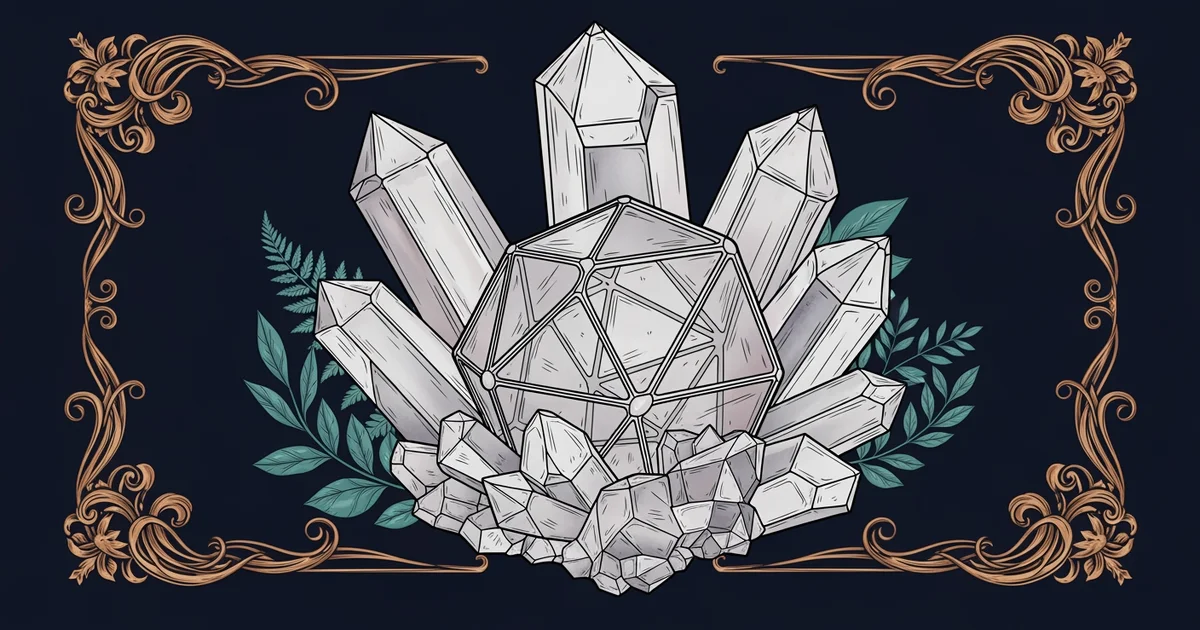
Atomic Arrangements and Mineral Identity
When we look at minerals, we often assume that their chemical formula dictates their physical form. This assumption holds true for many substances, but nature frequently finds ways to reuse identical building blocks. The concept of polymorphism describes this ability of a chemical compound to exist in multiple distinct crystal forms. Think of this process like using a single set of building blocks to create either a tall tower or a flat bridge. The blocks remain the same, but the final structure changes based on the arrangement chosen by the architect. In the Earth, the architect is the intense pressure and heat found deep underground.
Key term: Polymorphism — the phenomenon where a single chemical substance crystallizes into different structural forms under varying environmental conditions.
These structural shifts fundamentally change how minerals interact with light, heat, and physical force. When atoms pack together tightly, they create dense materials that resist breaking or scratching. If those same atoms spread out into loose sheets, the resulting material becomes soft and flaky. This variation is not random, as specific pressure thresholds force atoms into the most stable configuration for that environment. The mineral effectively adapts its internal architecture to survive the crushing weight of the rocks above it. By studying these patterns, we learn how the deep crust manages energy through constant structural transformation.
Comparing Carbon Structures
The most famous example of this structural shift involves carbon, which forms two very different materials based on its environment. Graphite and diamond share the same chemical makeup, yet they possess opposite physical traits that make them useful for different tasks. We can compare their unique properties by looking at how their internal bonds organize under pressure.
| Mineral | Structure Type | Primary Trait | Typical Use |
|---|---|---|---|
| Graphite | Sheet layers | Soft and dark | Lubricant |
| Diamond | Rigid lattice | Hard and clear | Cutting tool |
| Carbon | Atomic base | Pure element | Industry |
These differences arise because graphite forms in thin, slippery layers that slide apart when touched. Diamond forms in a rigid, three-dimensional lattice where every atom connects tightly to four neighbors. This tight connection makes diamond the hardest natural material, while the loose layers of graphite allow it to rub off onto paper. These materials show how the exact same atoms create vastly different tools for our world. The transition from one form to another requires immense geological force that human technology works hard to replicate.
- Graphite forms under lower pressure, allowing atoms to arrange in thin, flat sheets that slide easily.
- Deep mantle heat provides the energy needed for carbon atoms to break those sheets and reconfigure.
- Extreme pressure forces these atoms into a dense, interlocking pattern that creates the hardest known mineral.
- Once the mineral reaches the surface, the structure remains locked in its high-pressure form forever.
This process of structural change ensures that minerals remain stable as long as their environment does not shift. If the temperature or pressure changes too much, the mineral might try to reorganize its internal atomic grid. This delicate balance shows how the Earth acts as a giant laboratory for crystal growth and change. By analyzing these tiny patterns, we uncover the history of the rocks beneath our feet.