
Impact of Globalization
Imagine your morning coffee contains beans from distant mountains, roasted locally, and served in a cup made across the ocean. This simple daily routine represents the immense reach of modern trade networks that now define human existence. While early explorers once risked their lives to map unknown coastlines, we now navigate a world where physical distance matters far less than digital access. This shift from physical discovery to global integration marks the final stage of our journey toward a fully connected planet.
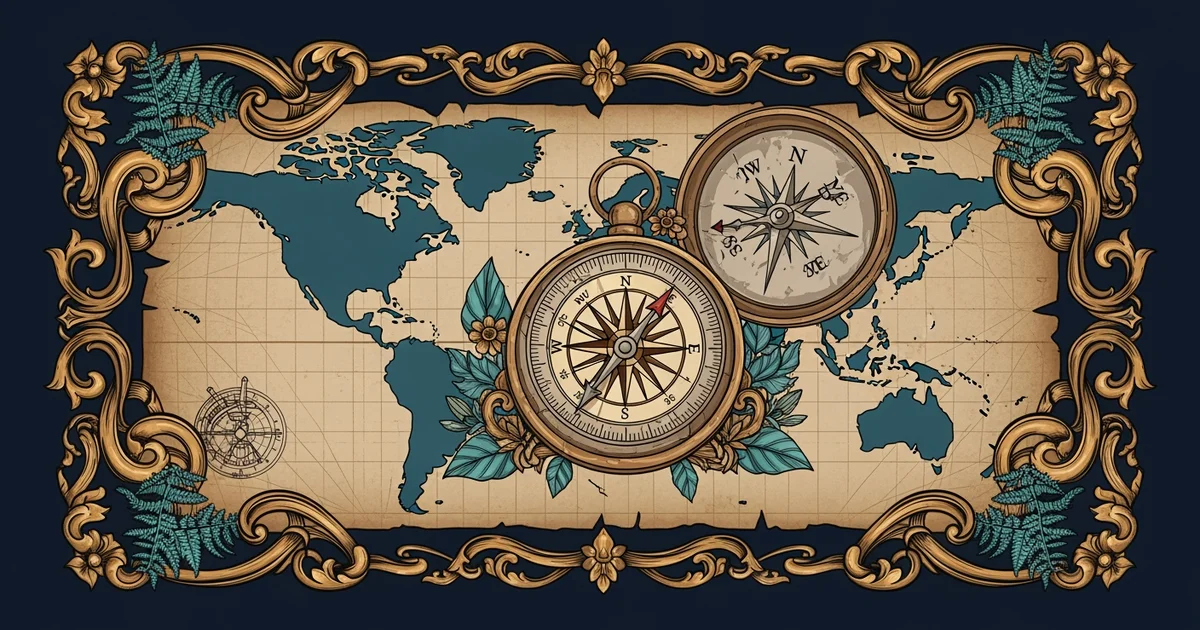
The Evolution of Global Exchange
When we look back at the history of exploration, we see a clear progression from local isolation to total interdependence. Early travelers moved through uncharted territories to find resources, which helped them expand their own understanding of the world map. This process of expansion eventually led to the globalization of trade, culture, and information. Think of this process like building a massive, complex jigsaw puzzle where every piece represents a different nation. If one piece is missing or misaligned, the entire picture becomes distorted for everyone involved. We are no longer separate puzzles sitting on different tables, but one single, massive image that changes shape as we add new pieces.
Key term: Globalization — the process by which businesses or other organizations develop international influence or start operating on an international scale.
As we move deeper into this interconnected era, we face a new set of challenges regarding how we manage our shared space. The digital map we explored in the previous station now acts as the nervous system for this global body. It allows us to move data, money, and ideas across borders in seconds, which creates both opportunities and tensions. We must consider how these rapid changes affect local cultures that have existed for centuries. When we prioritize efficiency and speed, we often lose the unique traditions that define specific regions on the map.
Consequences of Constant Connectivity
We must debate whether this level of expansion has truly improved the human condition for everyone involved. While it has lifted millions out of poverty through trade, it has also created deep inequalities between those who control the networks and those who simply use them. Consider the following impacts of this rapid expansion on our shared future:
- Economic integration allows for the rapid exchange of goods, but it creates a dangerous reliance on distant supply chains that can fail during global crises.
- Cultural exchange fosters a greater understanding of diverse perspectives, yet it often leads to the loss of unique languages and local customs through a process of homogenization.
- Technological advancement provides instant access to knowledge for everyone, but it also creates a digital divide where those without internet access are left behind in the modern economy.
| Impact Area | Positive Outcome | Potential Risk |
|---|---|---|
| Economy | Increased wealth | Supply instability |
| Culture | Shared knowledge | Loss of identity |
| Technology | Global access | Digital exclusion |
These factors show that our curiosity has reshaped the world, but it has not made the world equal. We continue to struggle with the balance between local autonomy and global cooperation. As we reflect on the foundation question of this path, we see that human curiosity did more than just map the land. It created a web of connection that now forces us to confront our responsibilities to one another. We are now tasked with ensuring that this global map serves all of humanity rather than just a few powerful interests.
True progress requires balancing our desire for global connection with the need to protect the unique cultural and local identities that define our human experience.
We must now look toward the future of exploration to see how we will navigate the next frontier beyond our own planet.