
Zero-Waste Baking
When a local bakery in Portland processes fifty pounds of apples for morning pies, they often discard the remaining skins and fibrous pulp into the heavy trash bin. This common practice ignores the hidden potential of food scraps that could provide both texture and flavor to new culinary creations in the kitchen. By treating these leftovers as valuable raw materials, chefs can transform waste into delicious baked goods while reducing their overall environmental footprint significantly. This shift requires a change in how we perceive kitchen scraps, moving from viewing them as trash to seeing them as ingredients. Applying these techniques turns the kitchen into a closed loop where nothing is truly lost during the preparation of meals.
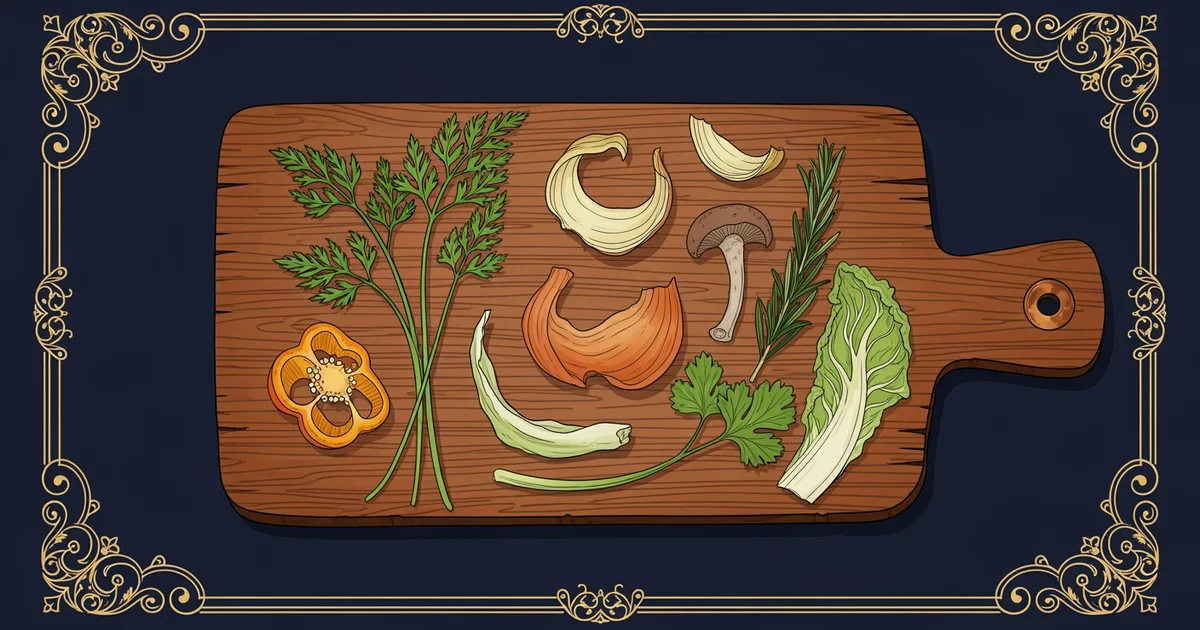
Transforming Fruit Pulp into Flavor
Fruit pulp, which remains after juicing or straining, contains concentrated pectin and natural sugars that provide structure to various baked items. When you incorporate this material into batters, you add natural moisture that keeps cakes and muffins fresh for longer periods than standard recipes. Think of fruit pulp like a sponge that holds onto flavor and moisture, releasing them slowly while the item bakes in the oven. You must first ensure the pulp is free from large seeds or hard stems before folding it into your primary mixture. Adding this pulp allows you to reduce the amount of added fat or sugar required, as the fruit contributes its own sweetness and density to the final product. Bakers who master this process often find that their goods possess a richer, more complex profile than versions made with processed additives.
Integrating Spent Grains and Flour
Beyond fruit, the kitchen often produces leftover grains or spent ingredients that can enhance the nutritional value of standard pastries. Incorporating these items into your dough requires a careful balance of moisture to ensure the final texture remains light and airy. You should treat these grains as structural elements that add depth and character to your breads or cookies. The following list outlines how to prepare common leftovers for use in your next baking session:
- Fruit pulp: Dry the pulp slightly in a low oven to remove excess water before mixing it into thick cake batters to avoid a gummy texture.
- Spent grains: Toast these grains briefly to enhance their nutty flavor profile before folding them into dense doughs like rye or whole wheat breads.
- Nut meal: Grind leftover nut skins or pulp into a fine powder to replace a portion of the flour in gluten-free recipes for added structure.
These additions require adjustments to your liquid ratios, but they ultimately result in a more sustainable and flavorful kitchen output.
Balancing Ratios for Success
Managing the moisture content of your ingredients is the most critical step when you decide to use unconventional leftovers in your baking. If you add too much wet pulp to a recipe, the structure will collapse and fail to rise properly during the baking phase. You can use a simple ratio to maintain consistency while experimenting with different types of leftover fruit or vegetable matter. The table below provides a starting point for integrating these materials into standard recipes without compromising the integrity of your final baked goods.
| Ingredient Type | Replacement Ratio | Moisture Adjustment |
|---|---|---|
| Fruit Pulp | 1:1 for sugar | Reduce liquid by 10% |
| Spent Grains | 1:4 for flour | Increase liquid by 5% |
| Nut Fiber | 1:5 for flour | No adjustment needed |
By following these guidelines, you can reliably incorporate various scraps into your baking without needing to restart your recipes from scratch. This systematic approach ensures your kitchen remains efficient while you continue to explore new ways to minimize waste. Always monitor the texture of your dough closely during the mixing process, as different scraps will absorb water at varying rates depending on their initial composition.
Transforming kitchen scraps into functional ingredients requires careful management of moisture and structural ratios to ensure successful baking results.
But this model breaks down when the chemical composition of the scraps varies too widely to maintain consistent results in professional settings.