
Advanced Recipe Development
Professional chefs often struggle when they try to replicate a perfect dish without understanding the underlying thermal variables. You might have mastered the timing for a medium-rare steak, yet you find your results vary wildly between different cuts of meat.
Mastering Thermal Variables in Recipe Design
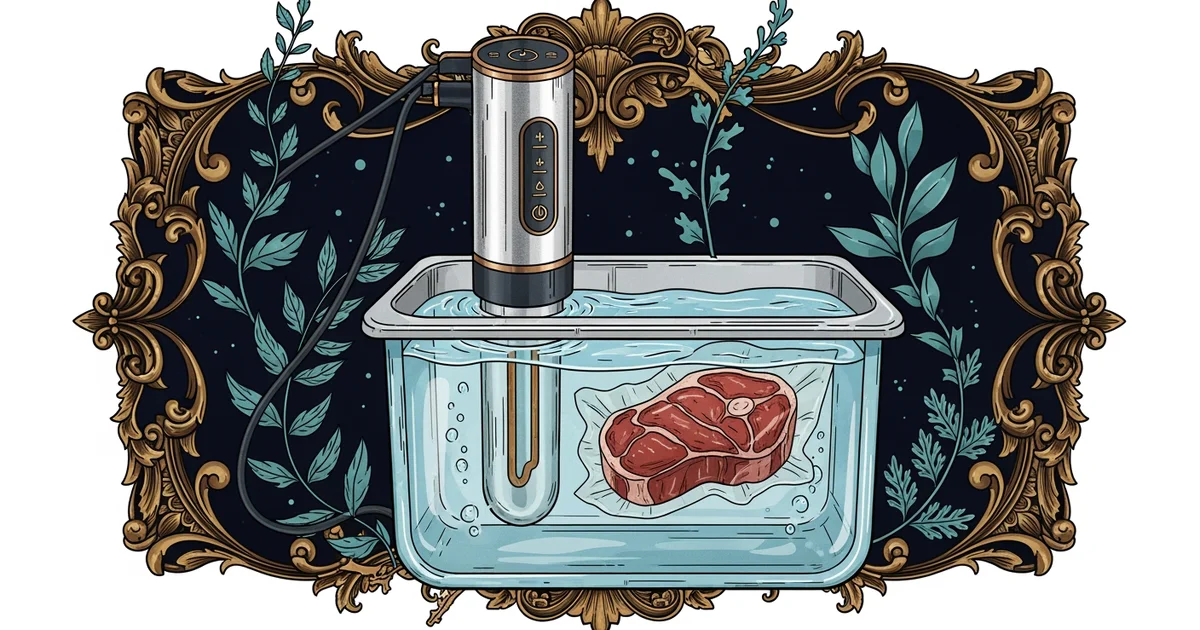
Advanced recipe development relies on the precise manipulation of energy transfer to achieve consistent culinary outcomes. When you design a recipe, you must treat temperature as a primary ingredient that dictates the structural integrity of proteins and fats. Think of this process like managing a complex investment portfolio where you balance risk against potential gains. If you set your temperature too high, you force a rapid change that ruins the texture of delicate tissues. By keeping the thermal input within a narrow, controlled window, you allow the internal structure to transform slowly without reaching a state of irreversible damage. This method ensures that each component of your dish reaches its peak quality simultaneously.
Precision cooking requires you to account for the thickness of your ingredients, as heat takes longer to reach the center of denser items. You must calculate the necessary time based on the specific geometry of the food to ensure uniform processing throughout the entire mass. If you ignore the physical dimensions, you will encounter uneven textures where the exterior is overcooked while the interior remains cold. This balance of heat and time acts as a stabilizer for your final product. You can achieve this stability by using a consistent, low-temperature environment that prevents the rapid contraction of muscle fibers. This approach prevents the moisture loss that usually occurs during traditional high-heat cooking methods.
Building a Balanced Culinary Menu
Creating a complete menu requires that you layer different thermal zones to maximize the variety of textures on a single plate. You can organize your menu by assigning specific temperature requirements to each component to ensure they finish at the same time. Consider the following variables that influence your final recipe design:
- Thermal conductivity represents how quickly heat moves through a specific ingredient, which dictates the total time required for the internal temperature to stabilize.
- Surface area to volume ratio determines the amount of exposure your ingredient has to the surrounding water bath, affecting the speed of the cooking process.
- Collagen breakdown occurs at specific temperature ranges, requiring you to hold the ingredient for an extended period to convert tough connective tissue into tender gelatin.
By managing these variables, you can combine ingredients that have vastly different physical properties into a single, harmonious dish. You must prioritize the most sensitive item first, as it will dictate the baseline temperature for the entire setup. This systematic approach reduces the stress of service and ensures that you can replicate the exact same quality every single time you cook.
| Component | Target Temperature | Required Duration | Texture Goal |
|---|---|---|---|
| Beef Tenderloin | 54 Celsius | 90 Minutes | Uniform Medium-Rare |
| Root Vegetables | 85 Celsius | 120 Minutes | Tender but Firm |
| Egg Yolks | 63 Celsius | 45 Minutes | Silky Custard |
When you integrate these elements, you effectively bridge the gap between basic cooking and professional gastronomy. You are no longer just following instructions but are actively engineering the final result through rigorous control of the environment. This synthesis of knowledge allows you to troubleshoot issues before they happen by anticipating how different ingredients will react to your chosen thermal settings. You can now confidently adjust your recipes to account for changes in ingredient quality or size without sacrificing the final outcome of your hard work.
Precision recipe development transforms the kitchen into a laboratory where thermal control dictates the final texture and flavor of every ingredient.
Understanding how these variables interact will prepare you to troubleshoot common failures in the next stage of your culinary journey.