
Protein Denaturation Basics
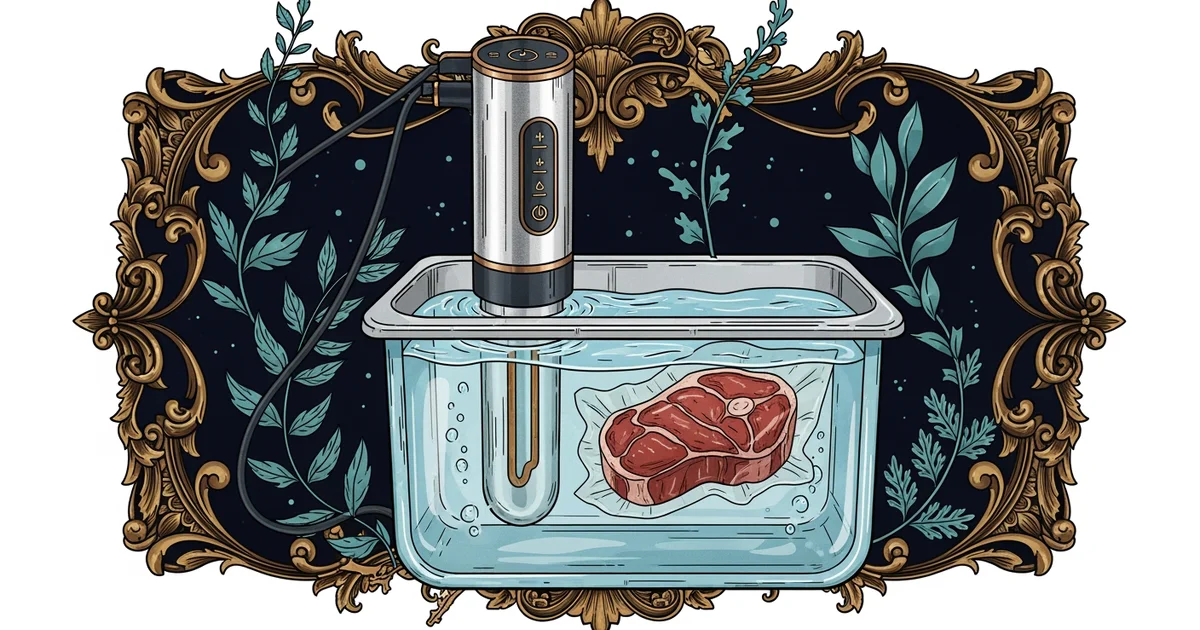
Imagine a tightly wound ball of yarn suddenly unraveling when you pull a single loose thread. This simple visual represents how proteins behave when they encounter the gentle, consistent heat of a sous vide bath. Proteins are complex chains of amino acids that maintain a specific shape to function correctly within food. When you apply heat, these structures lose their rigid form and begin to unfold in a process called denaturation. This change is not just about heat; it is about transforming the texture of your meal at a molecular level. By controlling the temperature precisely, you dictate exactly how much these proteins unwind, which directly impacts the final tenderness of your steak or fish.
The Mechanism of Protein Unfolding
As you introduce heat to a protein, the internal bonds that keep it folded start to vibrate rapidly. These bonds eventually break, causing the long chain of amino acids to expand and tangle with neighboring chains. Think of this process like a crowded dance floor where everyone is standing in neat, organized rows before the music starts. As the temperature rises, the dancers begin to move, bump into each other, and lose their original formation. This chaotic tangling is what gives cooked meat its firm structure compared to the soft, raw state. If the heat is too high, the proteins contract too quickly and squeeze out moisture, leading to a dry and tough result.
Key term: Denaturation — the process where heat or other factors cause protein structures to unfold and change their physical properties.
Precision cooking allows you to stop this process at the exact moment the proteins reach the desired texture. Because you are using a water bath, you avoid the extreme surface temperatures that often cause uneven cooking in traditional pans. The slow application of energy ensures that the entire piece of protein reaches the target state without overcooking the edges. This control is essential for achieving professional results consistently across different types of ingredients.
Transforming Collagen into Gelatin
Beyond basic protein unfolding, there is a specific transformation that occurs within tougher cuts of meat. Connective tissue, primarily made of collagen, acts like a tough rubber band holding muscle fibers together. When you apply low heat over a long period, this collagen gradually breaks down and converts into gelatin. Unlike the tough, chewy nature of raw collagen, gelatin provides a silky, melt-in-your-mouth texture that defines high-quality braised dishes. This conversion requires time and patience, as it cannot be rushed by simply turning up the heat.
| Protein Type | Reaction to Heat | Desired Result |
|---|---|---|
| Muscle Fiber | Denatures/Firms | Juicy tenderness |
| Collagen | Melts/Converts | Silky mouthfeel |
| Enzymes | Deactivates | Stable flavor |
Understanding this difference helps you choose the right temperature and time for different cuts of meat. Tougher cuts require longer times at lower temperatures to ensure the collagen fully transforms into gelatin. Meanwhile, tender cuts only need enough heat to denature the muscle fibers without losing their natural moisture. By balancing these two processes, you unlock the perfect texture for any ingredient you decide to cook.
Precise temperature control allows you to manipulate protein structures to achieve specific textures by managing the rate of denaturation and connective tissue conversion.
The next Station introduces water bath circulation physics, which determines how heat energy is distributed evenly throughout your cooking vessel.