
Vessel Selection Criteria
Selecting the right container feels like choosing a sturdy foundation for a house built on shifting sands. When you cook with precision, the vessel acts as the primary barrier between your heat source and the food. A poor choice leads to uneven results because the water cannot circulate properly around the ingredients. Choosing a container requires balancing heat retention, size, and the physical shape of the food you intend to prepare. Think of your vessel as a specialized tool that must match the specific energy demands of your culinary project.
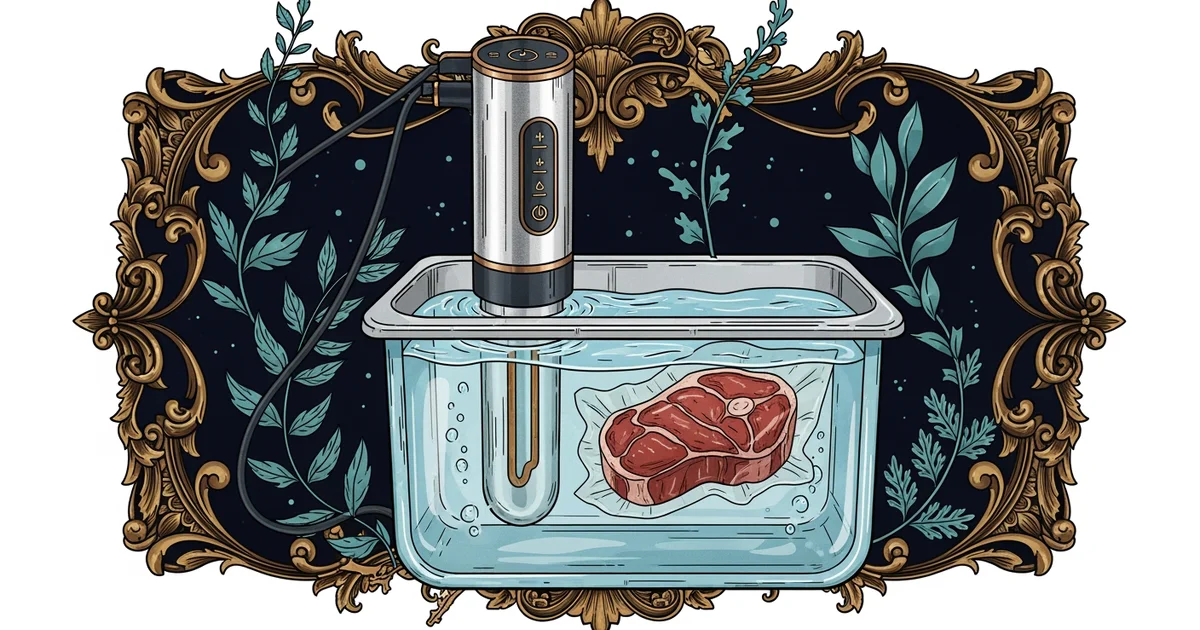
Matching Materials to Thermal Needs
The material of your container dictates how much energy escapes into the surrounding room during long cooking sessions. Metal pots often lose heat rapidly through their thin walls, which forces your immersion circulator to work harder than necessary. Plastic containers, especially those made from thick polycarbonate, provide excellent insulation that keeps the water temperature stable with minimal effort. Choosing a material with high thermal resistance ensures that the internal environment remains consistent regardless of the ambient temperature in your kitchen. This stability is vital when you want to achieve precise textures without wasting electricity or putting stress on your equipment.
Key term: Thermal mass — the ability of a material to absorb, store, and release heat energy over an extended period.
When you consider the vessel material, think about how a heavy ceramic mug keeps coffee hot longer than a thin glass cup. The ceramic acts as a buffer against the cooler air, just as a thick plastic vessel shields your water bath from the kitchen environment. If you use a thin metal pot, you might notice the circulator struggling to maintain a steady reading because the heat leaks out too quickly. You can mitigate this heat loss by using an insulated lid or a thermal cover, but starting with an efficient material is always the better strategy for consistent results.
Geometry and Circulation Dynamics
The shape of your vessel influences how effectively the water moves around your vacuum-sealed bags during the cooking process. A tall, narrow container might restrict flow, creating hot and cold spots that lead to uneven cooking across different sections of food. Wide, shallow containers allow for better lateral movement, which ensures that every part of the bag receives the same amount of thermal energy. You must ensure that the water has enough space to flow freely between the bags and the container walls to maintain uniform temperatures throughout the bath.
To optimize your setup, consider these three factors when choosing a container for your next project:
- The total volume of water must be large enough to submerge the food completely without crowding the vessel walls — crowding prevents the water from moving and creates uneven heating zones that ruin delicate textures.
- The depth of the container must match the minimum and maximum water level requirements of your circulator — failing to meet these marks will trigger safety sensors or damage the heating element during operation.
- The surface area of the lid or top opening should be minimized to reduce evaporation — excessive evaporation cools the bath and forces the heating system to compensate constantly for the lost energy.
Maintaining the right balance between volume and surface area ensures that your equipment operates within its ideal range. If you ignore the geometry of the vessel, you risk creating a stagnant environment where the water temperature fluctuates despite the best efforts of your controller. A well-chosen container supports the internal mechanics of the system, allowing the circulator to focus on maintaining a precise set point rather than fighting the physics of the environment. Always prioritize vessels that offer enough clearance for the water to circulate in a continuous, predictable loop around your ingredients.
Selecting the correct vessel requires matching the container material and shape to the thermal demands of your specific cooking task.
But what does it look like in practice when you apply these concepts to different food types?